Wednesday, June 10, 2026
More
    Home Blog Page 6

    Wow Your Guests: Entryway Design Tips for a Stunning Welcome

    First impressions have set the stage for many things and the same is true for our homes. When guests visit your home for the first time, you want them to feel welcomed and comfortable.

    Whether you prefer a console table for a bold statement or a more subtle reflection of your style, don’t underestimate the importance of a designed entryway.

    This guide will assist you in creating a space that showcases your individuality and sets the tone for the rest of your house.

    #1. Size Matter:

    All entryways are not created equal. Whether you have a spacious entryway with marble floors, a front door leading into an open floor plan, or a small corner in your apartment or condo, there is always a possibility to make a statement in your foyer.

    Utilise furniture, art, floor rugs, and other design components to impress your guests and showcase your personal style and design preferences. You can also include indoor plants to create a natural, soothing atmosphere.

    If you have enough room, a console table can instantly enhance your design and provide storage for items like handbags, keys, mail, and other belongings you want nearby but out of sight.

    #2. Wall Art:

    A stunning piece of art, nostalgic family photos, or a thoughtfully arranged collection of black-and-white pictures can add elegance or warmth to your entryway.

    Think about mixing functional furniture with bright splashes of colour to create a visually pleasing foyer. A comfortable accent armchair made of natural materials can strike the right visual balance.

    You can use this simple template to highlight a variety of themes that match your style and home decor, ranging from traditional to playful to contemporary. No matter what you decide on, ensure it establishes the mood for your entire residence.

    #3. Statement Walls:

    You could spice up your entryway by painting one wall a bright colour or adding bold wallpaper and hanging art or mirrors on a plain wall.

    Make a statement by incorporating basic decor or clean-lined furniture that complements the colours or designs on the wall.

    #4. Armchair:

    Armchairs in Perth are useful, especially for hallway design. They serve as a place to store shoes, hang coats, and keep keys and handbags when you come into your house. And, of course, a space to relax with a great book—and, dare I say, a glass of red?

    #5. Shelving Unit:

    Shelves offer a convenient solution for addressing various design and functionality needs within a single area. You have the option to design a visual display on your entry wall by either complementing a vibrant rug or showcasing cherished sculptures or potted plants. Make sure the shelves have options for anchoring them to the wall for safety purposes.

    Concluding Thoughts:

    An impressive entrance is a fantastic and lasting method to greet visitors into your dwelling, showcasing your style and interior design taste right from the start.

    By adding some small details and placing furniture strategically, you can create an atmosphere that leaves a lasting impact.


    Parasited Motel Malaise: The Unsettling Experience

    0

    Parasited Motel Malaise is an unsettling experience that can turn a restful stay into a nightmare. By understanding the causes, recognizing the signs, and taking preventive measures, both travelers and motel owners can avoid this distressing situation. This term encapsulates the discomfort and anxiety that arise when guests encounter unhygienic conditions, specifically the presence of parasites such as bedbugs, fleas or other pests.

    What is Parasited Motel Malaise?

    Parasited Motel Malaise describes the physical and psychological distress experienced by motel guests due to the presence of parasites or pests in their rooms.

    The term “malaise” refers to a general feeling of discomfort, unease, or illness, which can be exacerbated by the knowledge or suspicion that one’s sleeping environment is infested with unwanted creatures. Whether it’s bedbugs crawling under the sheets or fleas jumping around the room, the realization can cause significant stress, anxiety, and even physical symptoms like itching or allergic reactions.

    Causes and Triggers For Parasited Motel Malaise:

    Several factors can lead to Parasited Motel Malaise:

    Poor Hygiene Standards: Motels with inadequate cleaning practices are more likely to harbor pests. Infrequent or improper laundering of bed linens, lack of regular pest control, and overall neglect of cleanliness can create an ideal environment for parasites to thrive.

    High Turnover Rates: Motels often have a high turnover rate, with many guests checking in and out daily. This frequent change in occupancy can increase the risk of pests being brought in and spread from room to room.

    Lack of Awareness: Some motel owners or managers may not be fully aware of the extent of pest problems, or they may underestimate the impact it can have on their guests. A lack of proper pest control measures can lead to infestations going unnoticed and untreated.

    The Impact on Guests:

    Guests experiencing Parasited Motel Malaise can suffer from a range of negative effects:

    Physical Discomfort: Bites from bedbugs, fleas, or other pests can cause itching, rashes, and allergic reactions. In some cases, these bites can become infected, leading to more severe health issues.

    Psychological Distress: The thought of sleeping in a bed infested with parasites can cause anxiety, sleeplessness and a general sense of unease. This mental distress can overshadow the entire stay and leave a lasting negative impression on the guest.

    Long-Term Effects: Beyond the immediate discomfort, guests may worry about bringing pests home with them. Bedbugs, for instance, can hitch a ride in luggage or clothing, leading to an infestation at home. This can result in costly extermination efforts and ongoing anxiety.

    Preventing Parasited Motel Malaise

    For Travelers:

    Research Accommodations: Before booking, read reviews from other travelers regarding cleanliness and pest issues. Websites like TripAdvisor often have firsthand accounts that can provide insight.

    Inspect the Room: Upon arrival, inspect the bed, furniture, and carpets for signs of pests. Look for small blood spots on sheets (a sign of bedbugs) and any unusual movement in the corners or under the mattress.

    Elevate Luggage: Keep your luggage off the floor and away from the bed. Using a luggage rack or placing your bags in the bathroom can reduce the risk of pests getting into your belongings.

    For motel Owners and Managers:

    Implement Regular Pest Control: Regular pest inspections and treatments are crucial. Partnering with a reputable pest control company can help keep infestations at bay.

    Maintain High Cleaning Standards: Ensure that rooms are thoroughly cleaned between guests, including laundering all bed linens and vacuuming carpets and upholstery.

    Educate Staff: Train housekeeping and maintenance staff to recognize the signs of pest infestations and to take immediate action if a problem is detected.

    Conclusion:

    A clean, pest-free environment is essential for ensuring that guests leave with positive memories rather than a lingering sense of discomfort and anxiety.

    Do Alloy Earrings Turn Your Ears Green?

    0

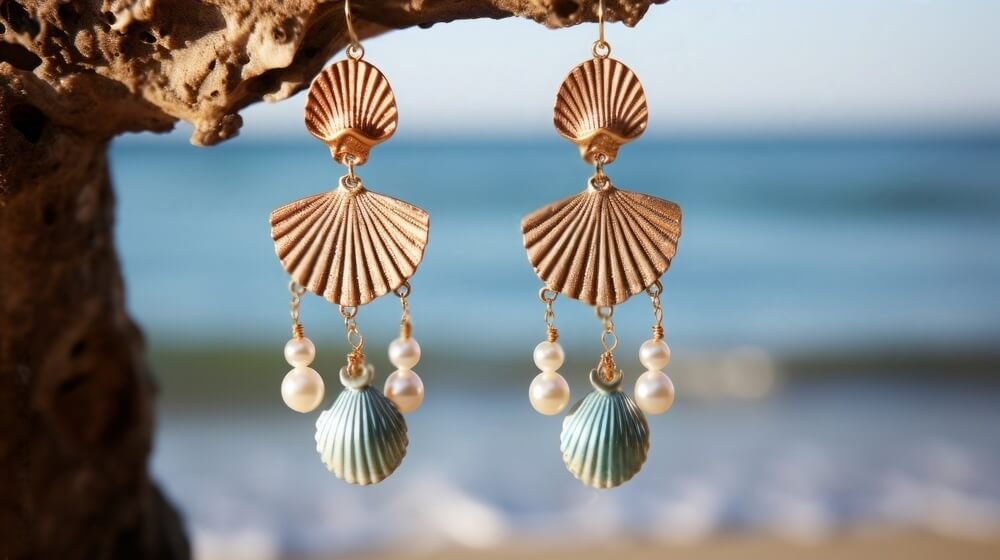
    Many people have experienced the frustration of their ears turning green after wearing certain types of earrings. This phenomenon is particularly common with alloy earrings. Now explore why alloy earrings can turn your ears green, what alloys are commonly used in jewelry and how to prevent this from happening.

    Understanding of Alloys in Jewelry:

    An alloy is a mixture of two or more metals, combined to achieve desired properties such as strength, durability or aesthetic appeal. In the world of jewelry, alloys are frequently used to create pieces that are affordable and versatile.

    Common metals used in alloys include:

    • Copper: Known for its reddish-brown color, copper is often added to jewelry for its durability and lower cost.
    • Nickel: A common allergen, nickel is used to add strength and a shiny finish to jewelry.
    • Zinc: Often combined with copper to create brass, zinc adds strength and color variation.
    • Tin: Used in various alloys for its corrosion resistance and low cost.

    Why Do Alloy Earrings Turn Your Ears Green?

    The green discoloration on your ears is caused by a chemical reaction between the metal in the earrings and your skin. Here are the primary reasons for this reaction:

    Copper Oxidation:

    When copper, a common component in many alloys, reacts with sweat, lotions, or other substances on your skin, it can oxidize, forming copper salts. These salts are typically green or blue and can leave a green stain on your skin.

    Acidic Skin:

    Some people have more acidic skin, which accelerates the reaction between the metal and your skin. This increased acidity can enhance the rate at which copper oxidizes.

    Moisture:

    Sweat, humidity, and exposure to water can exacerbate the oxidation process, making it more likely for your ears to turn green when wearing alloy earrings.

    Preventing the Green Discoloration:

    While the green stain is harmless and can be easily washed off, it can be an inconvenience. Here are some tips to prevent your ears from turning green:

    #1. Choose Higher-Quality Metals:

    Opt for earrings made from higher-quality metals such as sterling silver, gold, platinum or stainless steel. These metals are less likely to react with your skin.

    #2. Coat Your Earrings:

    Apply a clear nail polish or a jewelry sealant to the parts of the earrings that come into contact with your skin. This creates a barrier between your skin and the metal, preventing oxidation.

    #3. Keep Your Earrings Dry:

    Avoid wearing alloy earrings while swimming, showering, or exercising. Moisture can accelerate the oxidation process.

    #4. Clean Your Earrings Regularly:

    Regular cleaning can remove any substances that might react with the metal. Use a soft cloth and mild soap to clean your earrings.

    #5. Use Barrier Products:

    Some products, like earring sleeves or patches, can be placed on the earring posts to prevent direct contact with your skin.

    #6. Rotate Your Earrings:

    Avoid wearing the same pair of alloy earrings continuously. Rotating your earrings can reduce the chances of a reaction.

    Conclusion:

    Alloy earrings are a popular and affordable choice for many people, but they can sometimes cause your ears to turn green due to the presence of metals like copper. Understanding why this happens and how to prevent it can help you enjoy wearing your favorite earrings without the unwanted side effect. By choosing higher-quality metals, keeping your earrings dry, and using protective coatings, you can minimize the risk of green discoloration and keep your ears looking as good as your earrings.

    11 Different Types of Noses with Famous Celebrities Example

    0

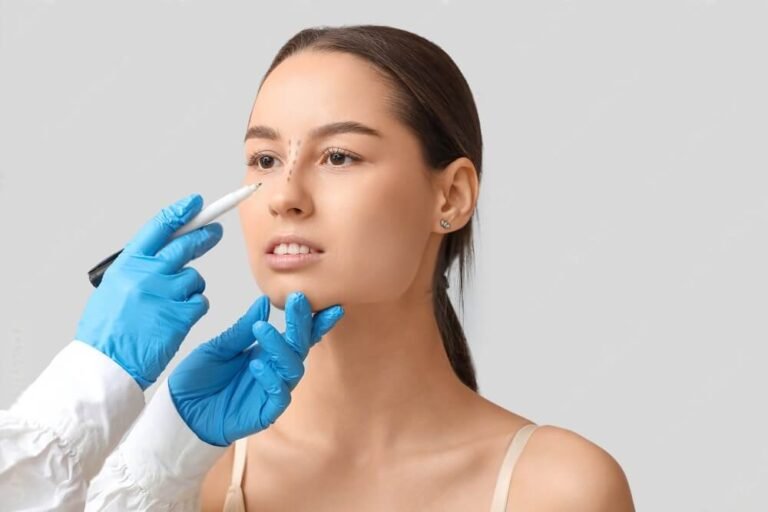
    The different types of noses helps in appreciating the diversity of human features. Each nose type carries its own unique beauty and character.

    In the context of art, cosmetic surgery or personal identification, recognizing these different nose shapes can provide valuable insights into the complexity and variety of human facial features.

    11 Types of Noses with Example of Celebrities

    Lets Explore some of the most common types of noses and their distinctive traits.

    1. Roman Nose:

    The Roman nose, also known as an aquiline nose, is characterized by a prominent bridge that can appear slightly curved or bent. This type of nose often projects outward, giving it a strong and defined appearance.

    Notable Features:

    • High, curved bridge.
    • Downward curve at the tip.
    • Often associated with a regal or authoritative look.

    Famous Examples: Prominent figures with Roman noses include Julius Caesar and actor Tom Cruise.

    2. Greek Nose:

    The Greek nose, or straight nose, is noted for its perfectly straight bridge. This type of nose is often seen as a symbol of classical beauty, as it is devoid of any curves or bends.

    Notable Features:

    • Straight bridge from top to tip.
    • Balanced and symmetrical appearance.
    • Often considered ideal in aesthetic terms.

    Famous Examples: Famous individuals with Greek noses include actors like Angelina Jolie and Henry Cavill.

    3. Nubian Nose:

    The Nubian nose is characterized by its wide base, broad nostrils, and generally longer bridge. This nose type is common among people of African descent.

    Notable Features:

    • Wide nostrils.
    • Long, straight bridge.
    • Broad base.

    Famous Examples: Notable individuals with Nubian noses include former President Barack Obama and singer Beyoncé.

    4. Hawk Nose:

    The hawk nose, also known as the beak nose, has a prominent, curved shape that resembles the beak of a hawk. This type of nose is often associated with a sharp and distinctive profile.

    Notable Features:

    • Curved, protruding bridge.
    • Hooked appearance.
    • Prominent tip.

    Famous Examples: Celebrities like Barbra Streisand and Adrien Brody have hawk noses.

    5. Snub Nose:

    The snub nose is characterized by its short length and slight upward curve at the tip. It often has a soft, rounded appearance.

    Notable Features:

    • Short and small in size.
    • Upturned tip.
    • Rounded, smooth contours.

    Famous Examples: People with snub noses include actress Scarlett Johansson and singer Bruno Mars.

    6. Celestial Nose:

    The celestial nose, or upturned nose, has a prominent tip that points upward, creating a concave slope along the bridge.

    Notable Features:

    • Upturned tip.
    • Concave bridge.
    • Often considered cute and youthful.

    Famous Examples: Actresses like Emma Stone and Carey Mulligan have celestial noses.

    7. Bulbous Nose:

    The bulbous nose is known for its rounded, enlarged tip, often appearing bulbous or swollen.

    Notable Features:

    • Round, bulbous tip.
    • Thick and wide appearance.
    • Often has larger nostrils.

    Famous Examples: Comedian Bill Murray and actor Anthony Anderson are known for their bulbous noses.

    8. Fleshy Nose:

    The fleshy nose is thick and fleshy in appearance, often larger in size and with a soft contour.

    Notable Features:

    • Thick, fleshy texture.
    • Larger size.
    • Rounded, smooth shape.

    Famous Examples: Winston Churchill and actor Jack Black have fleshy noses.

    9. Button Nose:

    The button nose is small, short, and has a slight upward tilt, resembling a button.

    Notable Features:

    • Small and short.
    • Upturned tip.
    • Rounded shape.

    Famous Examples: Actress Reese Witherspoon and singer Zooey Deschanel are known for their button noses.

    10. Flat Nose:

    The flat nose has a low bridge and broad nostrils, often appearing relatively flat against the face.

    Notable Features:

    • Low, flat bridge.
    • Broad nostrils.
    • Wide appearance.

    Famous Examples: Many individuals of Asian descent have flat noses, including actress Lucy Liu.

    11. Crooked Nose:

    The crooked nose has an asymmetrical shape, often due to a deviated septum or previous injury.

    Notable Features:

    • Asymmetrical shape.
    • Deviated bridge.
    • Can appear bent or twisted.

    Famous Examples: Actor Owen Wilson is known for his crooked nose.

    Conclusion

    The shape of a nose can greatly influence the overall appearance of a face. Noses come in various shapes and sizes, each with its own unique characteristics and aesthetic appeal. Understanding the different types of noses can help in appreciating the diversity of human features and can also be useful in fields such as rhinoplasty (nose surgery), art and portraiture.

    Is Sterling Silver Hypoallergenic?

    0

    When it comes to jewelry, skin sensitivity is a common concern. Many people worry about allergic reactions to the metals used in their favorite accessories. Sterling silver is a popular choice for jewelry due to its beauty, durability and affordability. But is sterling silver hypoallergenic?

    Let’s explore the properties of sterling silver, its composition and how it interacts with the skin to answer this question.

    What is Sterling Silver?

    Sterling silver is an alloy, which means it’s a mixture of metals. Pure silver or fine silver, is too soft for practical use in most jewelry applications, so it’s combined with other metals to enhance its strength and durability.

    Sterling silver specifically refers to an alloy that contains 92.5% pure silver and 7.5% other metals, usually copper. This blend is often stamped with “925” to indicate its silver content.

    Is Sterling Silver Hypoallergenic?

    Yes, sterling silver is generally considered hypoallergenic. The term “hypoallergenic” means that a material is less likely to cause an allergic reaction. For a metal to be hypoallergenic, it must not contain common allergens such as nickel, which is a major culprit in metal allergies.

    Nickel and Allergies:

    Nickel allergies are widespread, affecting a significant portion of the population. When nickel comes into contact with the skin, it can cause an allergic reaction characterized by redness, itching and even blistering. Therefore, people with sensitive skin are often advised to avoid nickel-containing jewelry.

    Is Sterling Silver Nickel-Free?

    In its pure form, sterling silver does not contain nickel. The 7.5% of other metals in sterling silver is typically copper, which is generally considered non-allergenic.

    Some manufacturers might add trace amounts of nickel to the alloy. Therefore, if you have a known nickel allergy, it’s crucial to purchase sterling silver jewelry from reputable sources that guarantee their products are nickel-free.

    Common Causes of Allergic Reactions to Sterling Silver:

    While sterling silver is largely hypoallergenic, some individuals may still experience reactions. This is usually due to:

    • Trace Nickel Content: As mentioned, some lower-quality sterling silver may contain trace amounts of nickel.
    • Copper Allergies: Though rare, some people may be allergic to copper.
    • Skin Sensitivity to Oxidation: Sterling silver can tarnish when exposed to air, moisture, or certain chemicals. This tarnish, a result of oxidation, can sometimes irritate sensitive skin.

      Caring for Sterling Silver to Prevent Reactions:

      To minimize the risk of allergic reactions and maintain the beauty of your sterling silver jewelry, proper care is essential:

      • Regular Cleaning: Clean your jewelry regularly with a soft cloth and mild soap to remove any build-up of oils and dirt.
      • Avoid Moisture: Store your sterling silver pieces in a dry, airtight container to prevent tarnishing.
      • Keep Away from Chemicals: Avoid exposing your jewelry to harsh chemicals, such as chlorine, bleach, or household cleaners.

        Conclusion:

        Sterling silver is generally considered hypoallergenic due to its lack of nickel and its composition mainly of pure silver and copper. However, individuals with extremely sensitive skin or specific allergies should be cautious and opt for high-quality, nickel-free sterling silver from reputable sources.


        FAQs

        Is Stainless Steel Hypoallergenic?

        Stainless steel is generally considered hypoallergenic, especially grades like 316L or surgical stainless steel, which contain very low levels of nickel. These grades are often used in medical implants and body jewelry due to their high corrosion resistance and low risk of causing allergic reactions.

        Is Sterling Silver Nickel-Free?

        Sterling silver, by definition, should not contain nickel as its alloy typically comprises 92.5% pure silver and 7.5% copper. However, some lower-quality sterling silver jewelry may contain trace amounts of nickel, so it’s crucial to purchase from reputable sources if you have a nickel allergy.

        Is 925 Sterling Silver Hypoallergenic?

        Yes, 925 sterling silver, which denotes that the alloy contains 92.5% pure silver, is generally hypoallergenic. The remaining 7.5% is usually copper, which is less likely to cause allergic reactions. However, always ensure that the sterling silver you buy is nickel-free, especially if you have sensitive skin.

        Harold Ayra Wappingers Falls NY | Life Story

        0

        Harold Ayra is a prominent figure in Wappingers Falls, NY, renowned for his unwavering commitment to the local community. Born in the late 1950s, Harold spent his formative years in this quaint village, developing a deep-rooted connection to the area. His life’s work has significantly impacted Wappingers Falls, cementing his legacy as a key player in the town’s development.

        Life Story of Harold Ayra Wappingers Falls NY

        Let us tell you about the career, community contributions and Legacy about Harold Ayra. He has done very much amazing work and all is explained here.

        Early Life and Career:

        Harold Ayra’s early years were marked by a strong sense of community involvement. He was actively engaged in various local initiatives, contributing to the town’s growth and prosperity. His entrepreneurial spirit led him to establish several local businesses, which not only provided employment opportunities but also bolstered the local economy. Harold’s business acumen and dedication to service were evident in every venture he undertook, earning him respect and admiration from the townspeople.

        Community Contributions:

        Harold’s contributions to Wappingers Falls extend far beyond his business endeavors. He has been instrumental in initiating and supporting numerous community programs aimed at improving the quality of life for residents. His efforts have ranged from organizing local events to spearheading infrastructure projects that have modernized and beautified the town. Harold’s leadership in these initiatives has fostered a sense of unity and pride among the residents, making Wappingers Falls a vibrant and welcoming place to live.

        Legacy and Impact:

        Harold Ayra’s legacy is one of dedication, hard work, and an unwavering commitment to his community. His efforts have left an indelible mark on Wappingers Falls, transforming it into a thriving town with a strong sense of community spirit. Residents of Wappingers Falls continue to benefit from Harold’s vision and tireless work, enjoying the improved infrastructure, vibrant local businesses, and various community programs that he helped establish.

        Conclusion:

        Harold Ayra’s story is a testament to the power of community involvement and the impact that one dedicated individual can have on a town. His contributions to Wappingers Falls, NY, serve as an inspiring example of how local leaders can drive positive change and foster a sense of community. As Wappingers Falls continues to grow and evolve, the legacy of Harold Ayra will undoubtedly remain a cornerstone of the town’s history and identity.

        Naiam Cosmetic Fashion Earrings, Necklace & Sunglasses

        0

        Naiam Cosmetic Fashion has established itself as a reputable brand in the world of fashion accessories. Their necklace, sunglasses and earrings are crafted with a focus on quality, design, and versatility. Whether you’re looking for a timeless piece to add to your collection or a trendy accessory to complete your look, Naiam Cosmetic Fashion has something to offer.

        Lets find out the appeal of Naiam Cosmetic Fashion’s necklaces, sunglasses, and earrings.

        Naiam Cosmetic Fashion Earrings

        Elegant and Trendy:

        Naiam Cosmetic Fashion earrings are designed to make a statement. Whether you prefer delicate studs, elegant hoops, or bold drop earrings, the brand offers a diverse collection to suit various styles. Each piece is crafted with precision, using high-quality materials such as sterling silver, gold, and enamel.

        Perfect for Any Occasion:

        These earrings are perfect for any occasion, adding a touch of glamour and elegance to your look. They can be worn alone for a subtle statement or paired with other accessories for a more dramatic effect. The wide range of designs ensures that there is something for everyone, making Naiam earrings a must-have in any jewelry collection.

        Naiam Cosmetic Fashion Necklace

        Design and Craftsmanship:

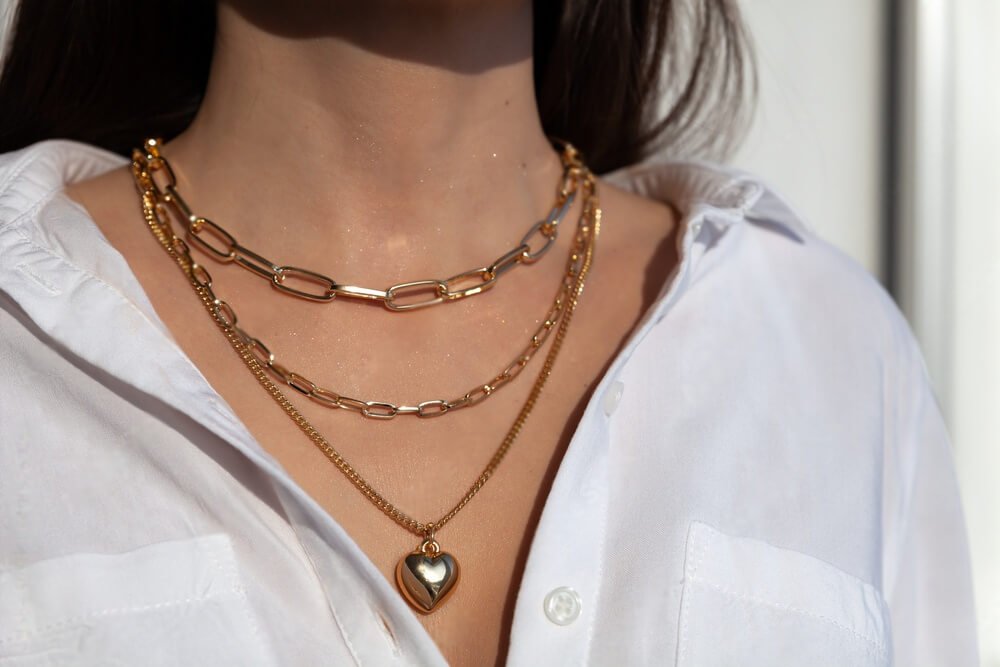
        Naiam Cosmetic Fashion necklace are renowned for their exquisite design and meticulous craftsmanship. These necklaces are available in a variety of styles, from minimalist chains to statement pieces adorned with intricate details. The brand uses high-quality materials such as sterling silver, gold plating, and semi-precious stones, ensuring durability and a luxurious finish.

        Versatility and Appeal:

        The versatility of Naiam necklaces makes them suitable for any occasion, whether it’s a casual day out, a formal event, or a special celebration. Their timeless designs allow for easy pairing with different outfits, adding a touch of elegance and sophistication to any ensemble. Whether you prefer a simple pendant or a bold choker, Naiam has something to suit every taste and style.

        Naiam Cosmetic Fashion Sunglass

        Stylish Protection:

        Naiam Cosmetic Fashion sunglass combine style with functionality. They are designed to protect your eyes from harmful UV rays while enhancing your overall look. The brand offers a wide range of styles, from classic aviators to trendy oversized frames, catering to different face shapes and personal preferences.

        Quality and Comfort:

        Each pair of Naiam sunglasses is crafted with high-quality lenses that provide clear vision and excellent protection against glare. The frames are made from durable materials like acetate and metal, ensuring longevity and comfort. The attention to detail in the design process guarantees that each pair of sunglasses not only looks good but also feels comfortable to wear all day long.

        Conclusion:

        Naiam Cosmetic Fashion is making waves in the fashion industry with its unique and stylish range of accessories, including necklace, sunglasses and earrings. Each piece is designed with a keen eye for detail and a commitment to quality, catering to fashion-forward individuals who seek to express their style with confidence.

        What is Dorsalgia? Causes, Symptoms & Treatment

        0

        Dorsalgia is a common condition that can significantly impact quality of life. Understanding its causes, symptoms, and treatment options is essential for managing and alleviating back pain.

        What is Dorsalgia?

        Dorsalgia is commonly known as back pain. It is a term that encompasses any type of pain or discomfort in the back. It is a prevalent condition that can affect people of all ages and can range from mild to severe.

        Dorsalgia can occur in different regions of the back, including the cervical (neck), thoracic (upper back), and lumbar (lower back) areas. The pain can be acute, lasting for a few days to weeks, or chronic, persisting for months or even years.

        What are the Causes of Dorsalgia?

        The causes of dorsalgia are varied and can be attributed to a range of factors, including:

        • Muscle Strain or Sprain: Overuse, heavy lifting, or sudden movements can strain the muscles and ligaments in the back, leading to pain.
        • Poor Posture: Prolonged sitting or standing with poor posture can cause back pain over time.
        • Herniated Discs: Discs that cushion the vertebrae can bulge or rupture, pressing on nerves and causing pain.
        • Degenerative Disc Disease: As people age, the discs in the spine can deteriorate, leading to chronic back pain.
        • Spinal Stenosis: Narrowing of the spinal canal can put pressure on the spinal cord and nerves, resulting in pain.
        • Osteoarthritis: The breakdown of cartilage between the joints in the spine can cause pain and stiffness.
        • Injuries: Accidents, falls, or sports injuries can lead to back pain.
        • Medical Conditions: Conditions such as scoliosis, osteoporosis, and fibromyalgia can contribute to dorsalgia.

        What Are the Symptoms of Dorsalgia?

        The symptoms of dorsalgia can vary depending on the underlying cause and the specific area of the back affected. Common symptoms include pain that can range from a dull ache to sharp, stabbing pain. This pain may be localized or radiate to other areas, such as the legs or arms. Stiffness, characterized by reduced flexibility and difficulty moving the back, is another symptom. Muscle spasms, which are involuntary contractions of the muscles in the back, can occur. Numbness or tingling, especially if a nerve is compressed and muscle weakness in severe cases are additional symptoms.

        How is Dorsalgia Diagnosed?

        Diagnosing dorsalgia typically involves a combination of medical history, physical examination, and diagnostic tests. The process begins with discussing the patient’s symptoms, the duration of the pain, and any activities or injuries that may have contributed to the condition.

        A physical examination is conducted to assess posture, range of motion, and areas of tenderness or pain. Imaging tests such as X-rays, MRI, or CT scans are used to identify structural problems in the spine. Nerve tests, including electromyography (EMG) and nerve conduction studies, can evaluate nerve function and detect nerve damage.

        Best Treatments for Dorsalgia:

        The treatment for dorsalgia depends on the cause and severity of the pain. Common treatments include:

        #1. Medications: Pain relievers, anti-inflammatory drugs, muscle relaxants, and sometimes, opioids.

        #2. Physical Therapy: Exercises and stretches to strengthen the muscles supporting the spine and improve flexibility.

        #3. Chiropractic Care: Spinal manipulation and adjustments to alleviate pain and improve function.

        #4. Heat and Cold Therapy: Applying heat or cold packs to the affected area can reduce pain and inflammation.

        #5. Injections: Corticosteroid injections can provide temporary relief for severe pain.

        #6. Surgery: In cases of severe structural problems or nerve compression, surgery may be necessary.

        Prevention Tips and Lifestyle Changes needed For Dorsalgia:

        Preventing dorsalgia involves adopting healthy lifestyle habits and making ergonomic adjustments. Here are some tips:

        Maintain Good Posture: Sit and stand with your back straight and shoulders back.

        Exercise Regularly: Strengthen the core muscles that support your spine.

        Lift Properly: Use your legs to lift heavy objects, keeping your back straight.

        Ergonomic Adjustments: Ensure your workspace is set up to support good posture, with your computer screen at eye level and your chair providing proper lumbar support.

        Stay Active: Avoid prolonged periods of sitting or standing. Take breaks to move around and stretch.

        Healthy Weight: Maintain a healthy weight to reduce stress on your back.

        Quit Smoking: Smoking can contribute to back pain by reducing blood flow to the spine.

        Conclusion:

        If you experience persistent or severe back pain, it is important to seek medical advice for proper diagnosis and treatment.

        How Anchovies are Typically Preserved? 4 Best Methods

        0

        The preservation of anchovies has a long history, ensuring their availability year-round and enhancing their distinct taste. Preserving anchovies through salting, oil-packing, canning, and freezing ensures their availability year-round and enhances their unique flavor, making them a versatile ingredient in many cuisines. Each method has its distinct process and advantages, contributing to the rich culinary history associated with this small but mighty fish.

        What are Anchovies?

        Anchovies are small, silvery fish belonging to the Engraulidid family. These fish are primarily found in marine environments, although some species inhabit brackish waters. Anchovies are commonly located in temperate waters around the world, especially in the Mediterranean Sea, the Black Sea, and along the Atlantic coasts of Europe and North Africa.

        4 Best Methods for Preserving Anchovies:

        Lets explore the traditional methods used to preserve anchovies, focusing on salting, oil-packing, canning and freezing.

        #1. Salting

        Salting is one of the oldest and most traditional methods of preserving anchovies. This method not only extends the shelf life of the fish but also intensifies its flavor.

        Process:

        Catching and Cleaning: Fresh anchovies are caught and quickly cleaned to remove any impurities and internal organs. This step is crucial to prevent spoilage.

        Layering with Salt: The cleaned anchovies are layered in large barrels or tins with coarse sea salt. Each layer of anchovies is followed by a generous layer of salt.

        Pressing and Fermentation: The barrels are then sealed and weighed down to press the fish and extract excess moisture. Over time, the salt draws out water from the anchovies, and a natural fermentation process begins. This process can take several months, during which the anchovies develop a rich, umami flavor.

        Packaging: After the desired fermentation period, the anchovies are typically rinsed to remove excess salt and then packed in jars or tins, often with a little olive oil to keep them moist.

        #2. Oil-Packing

        Oil-packing is another popular preservation method, often used in conjunction with salting.

        Process:

        Salting: Initially, anchovies are salted following the traditional method as described above.

        Deboning and Filleting: After the fermentation period, the anchovies are deboned and filleted.

        Oil-Packing: The fillets are then packed in jars or tins and submerged in high-quality olive oil. The oil acts as a preservative and also adds an additional layer of flavor to the anchovies.

        #3. Canning

        Canning is a modern preservation method that ensures long shelf life and convenient storage.

        Process:

        Preparation: Fresh anchovies are cleaned and sometimes pre-cooked or steamed to firm up the flesh.

        Packing: The prepared anchovies are packed into cans with either salt or olive oil, and sometimes other ingredients like herbs or spices for added flavor.

        Sealing and Sterilizing: The cans are sealed and then subjected to high temperatures to sterilize the contents, killing any bacteria and preventing spoilage. This method ensures that the anchovies remain safe to eat for several years.

        #4. Freezing

        Freezing is a less traditional but effective method of preserving anchovies, particularly for maintaining their texture and freshness.

        Process:

        Cleaning and Prepping: Fresh anchovies are cleaned and prepped as usual.

        Flash Freezing: The anchovies are quickly frozen at very low temperatures. Flash freezing helps preserve the fish’s cellular structure, keeping them as close to fresh as possible.

        Storage: The frozen anchovies are then stored at a constant freezing temperature until needed. When ready to use, they can be thawed and prepared in various dishes.

        Conclusion:

        Whether you prefer the traditional depth of salted anchovies or the convenience of canned ones, understanding these preservation methods allows you to appreciate the intricate flavors and textures that anchovies bring to the table.

        What Are the Fruit with a Large Flat Pit?

        0

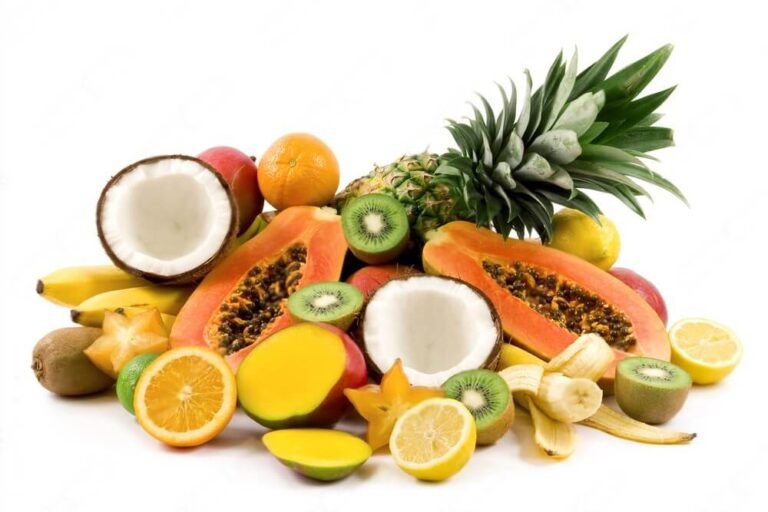
        Fruits with large flat pits are known as stone fruits or drupes and its a diverse group of delicious and nutritious fruits. These fruits contain a single large seed or pit surrounded by a fleshy outer layer. The large flat pit is characteristic of many popular fruits, each with unique flavors, textures, and culinary uses.

        Lets explores some of the most well-known fruits with large flat pits and their benefits.

        Fruit with a Large Flat Pit:

        #1. Peaches

        Description: Peaches are beloved for their juicy and sweet flesh. They have a velvety skin that can be yellow, orange, or red, and a large, flat pit inside.

        Uses: Peaches can be eaten fresh, baked into desserts like pies and cobblers, or used in jams and preserves.

        #2. Nectarines

        Description: Similar to peaches, nectarines have smooth, thin skin without the fuzz. They share the same large, flat pit and come in both white and yellow varieties.

        Uses: Nectarines can be eaten raw, grilled, or used in fruit salads and salsas.

        #3. Plums

        Description: Plums are small, round fruits with a smooth skin that can be purple, red, yellow, or green. They have a large flat pit in the center.

        Uses: Plums can be enjoyed fresh, dried into prunes, or made into sauces and compotes.

        #4. Apricots

        Description: Apricots are small, orange fruits with a smooth skin and a large, flat pit. They have a slightly tart flavor.

        Uses: Apricots are often eaten fresh, dried, or used in baking and cooking.

        #5. Cherries

        Description: Cherries are small, round fruits with a large pit. They can be sweet or tart and come in various colors, including red, yellow, and black.

        Uses: Cherries are popular in desserts, jams, and as a fresh snack. Tart cherries are also used for their juice and in baking.

        #6. Mangoes

        Description: Mangoes are tropical fruits with a large, flat pit. They have a thick skin that can be green, yellow, or red, and a sweet, juicy flesh.

        Uses: Mangoes are versatile and can be eaten fresh, blended into smoothies, or used in salsas and desserts.

        Nutritional Benefits of Stone Fruits:

        Stone fruits are not only delicious but also packed with nutrients. They are generally low in calories and rich in vitamins, minerals, and antioxidants. Some common nutritional benefits include:

        • Vitamins: Most stone fruits are high in vitamins A and C, which are essential for immune function, skin health, and vision.
        • Fiber: These fruits are a good source of dietary fiber, aiding in digestion and promoting a healthy gut.
        • Antioxidants: Many stone fruits contain antioxidants that help protect the body from oxidative stress and reduce the risk of chronic diseases.

        Culinary Uses and Tips:

        Stone fruits are incredibly versatile and can be used in various culinary applications:

        • Fresh Consumption: Enjoy stone fruits raw as a healthy snack or add them to salads for a burst of flavor.
        • Baking: Use stone fruits in pies, tarts, cobblers, and cakes. Their sweetness and texture are perfect for desserts.
        • Preserves: Make jams, jellies, and preserves to enjoy the taste of stone fruits year-round.
        • Savory Dishes: Incorporate stone fruits into savory dishes like salsas, chutneys, and grilled meats for a unique flavor combination.

        Conclusion:

        Fruits with large flat pits, such as peaches, nectarines, plums, apricots, cherries, and mangoes, are a delightful addition to any diet. Their sweet, juicy flavors and nutritional benefits make them a popular choice for fresh consumption, baking, and cooking. By understanding the variety and uses of these stone fruits, you can fully enjoy their unique qualities and incorporate them into your meals in creative ways.