Monday, June 8, 2026
More
    Home Blog Page 14

    Why Am I Craving Onions? [All FAQs Explained]

    0

    Have you ever found yourself craving onions for no apparent reason? Maybe you just can’t get enough of onion rings, onion soup, or onion dip Or maybe you just want to munch on a raw onion like an apple. If this sounds familiar, you might be wondering what’s going on with your taste buds and your body. Is craving onions normal? Is it healthy? What does it mean?

    Why Am I Craving Onions?

    Craving onion is very common now a days and for it we have researched and the get 3 reasons for it.

    • Sulfur Deficiency
    • Hormonal Imbalance
    • Nutritional Deficiency

    Read below the more about these deficiencies in details.

    Reason #1: You Need More Sulfur

    One of the most common reasons why people crave onions is that they are deficient in sulfur, a mineral that is essential for many bodily functions. Sulfur is involved in the synthesis of amino acids, proteins, enzymes, hormones, and antioxidants. It also helps maintain the integrity of your skin, hair, nails, joints, and connective tissues.

    Onions are one of the richest sources of sulfur in the plant kingdom, along with garlic, leeks, chives, and shallots. These vegetables belong to the allium family, which is known for its pungent flavor and aroma. When you eat onions, you get a dose of sulfur that your body can use to support various processes and prevent diseases.

    Some signs that you might be low in sulfur include:

    • – Brittle nails and hair
    • – Dry skin and eczema
    • – Joint pain and inflammation
    • – Poor wound healing and infection
    • – Low energy and fatigue
    • – Mood swings and depression
    • – Reduced immunity and allergies

    If you suspect that you are sulfur-deficient, you might want to increase your intake of onions and other allium vegetables. You can also get sulfur from animal sources such as eggs, meat, fish, dairy, and poultry. However, be careful not to overdo it, as too much sulfur can cause unpleasant side effects such as gas, bloating, diarrhea, and bad breath.

    Reason #2: You Have a Hormonal Imbalance

    Another possible reason why you crave onions is that you have a hormonal imbalance that affects your appetite and your taste preferences. Hormones are chemical messengers that regulate various aspects of your physiology and behavior, such as metabolism, growth, reproduction, mood, and stress.

    Some hormones that can influence your cravings for onions include:

    Estrogen: This is the main female sex hormone that controls the menstrual cycle, fertility, and sexual development. Estrogen levels fluctuate throughout the month and can affect your appetite and cravings. Some women may crave onions before or during their periods, when estrogen levels are low. Onions contain phytoestrogens, which are plant compounds that mimic the effects of estrogen in the body. Eating onions may help balance your hormones and ease symptoms such as mood swings, cramps, headaches, and acne.

    Testosterone: This is the main male sex hormone that controls muscle mass, bone density, libido, and sperm production. Testosterone levels also vary throughout the day and can affect your hunger and cravings. Some men may crave onions in the morning or after a workout, when testosterone levels are high. Onions contain allicin, which is a compound that boosts testosterone production and enhances sexual performance. Eating onions may help increase your strength, stamina, and virility.

    Cortisol: This is the stress hormone that helps you cope with challenging situations by increasing your blood sugar, blood pressure, and heart rate. Cortisol levels are normally higher in the morning and lower at night, but they can spike when you are under physical or emotional stress. Cortisol can also affect your appetite and cravings by stimulating or suppressing your hunger hormones. 

    Some people may crave onions when they are stressed or anxious because onions have anti-inflammatory and antioxidant properties that can help reduce inflammation and oxidative stress in the body. Eating onions may help calm your nerves and lower your cortisol levels.

    If you think that your hormones are out of whack, you might want to consult with your doctor or a nutritionist to find out the best way to balance them naturally. You might also want to avoid foods that can disrupt your hormones, such as sugar, caffeine, alcohol, soy, dairy, gluten, and processed foods.

    Reason #3: You Have a Nutritional Deficiency

    A third possible reason why you crave onions is that you have a nutritional deficiency that makes you seek out certain foods that can provide you with the nutrients you need. Onions are not only rich in sulfur, but also in other vitamins and minerals that are essential for your health.

    Some of the nutrients that onions can offer include:

    Vitamin C: This is a powerful antioxidant that protects your cells from damage caused by free radicals. Vitamin C also supports your immune system, collagen production, wound healing, and iron absorption. Vitamin C deficiency can lead to scurvy, a disease characterized by bleeding gums, loose teeth, anemia, and skin problems. Some people may crave onions when they have a cold or a flu because onions can boost their vitamin C intake and help them fight off infections.

    Vitamin B6: This is a water-soluble vitamin that is involved in the metabolism of carbohydrates, proteins, and fats. Vitamin B6 also helps produce neurotransmitters such as serotonin, dopamine, and norepinephrine, which regulate your mood, sleep, and appetite. Vitamin B6 deficiency can cause symptoms such as depression, irritability, insomnia, and appetite loss. Some people may crave onions when they are feeling low or depressed because onions can increase their vitamin B6 intake and help them feel happier and more relaxed.

    Folate: This is another water-soluble vitamin that is important for DNA synthesis, cell division, and red blood cell production. Folate also helps prevent birth defects such as spina bifida and anencephaly in pregnant women. Folate deficiency can lead to megaloblastic anemia, a condition where the red blood cells are large and immature. Some people may crave onions when they are pregnant or anemic because onions can boost their folate intake and help them prevent or treat these conditions.

    Potassium: This is a mineral that helps maintain fluid balance, nerve transmission, muscle contraction, and blood pressure. Potassium also helps prevent kidney stones, osteoporosis, and stroke. Potassium deficiency can cause symptoms such as muscle weakness, cramps, fatigue, irregular heartbeat, and high blood pressure. Some people may crave onions when they are dehydrated or have low blood pressure because onions can increase their potassium intake and help them restore their electrolyte balance.

    If you suspect that you have a nutritional deficiency, you might want to get tested by your doctor or a nutritionist to find out what nutrients you are lacking and how to supplement them properly. You might also want to eat a balanced diet that includes a variety of fruits, Vegetables, grains, legumes, nuts, seeds and animal products.

    Craving Onions During Pregnancy:

    Craving onions during pregnancy could be a sign that your body is deficient in nutrients like protein, fat, and carbohydrates which are very necessary for the proper growth of the baby. Mood swings might be a reason behind cravings and onion contain Carbohydrates that stimulate the creation of serotonin, a neurotransmitter that uplifts the mood.

    In this situation, women need an extra amount of these nutrients furthermore onion is full of benefits and also gives prevention from many diseases. It is a fiber-rich food that keeps your body fit. Due to hormonal changes, many women crave it because they miss the unique texture of onion.

    Why Am I Craving Onion All of a Sudden?

    As mentioned earlier onion is a great source of nutrients like protein, fats, and fibers and it’s possible you are lacking in these nutrients that’s why you crave onion all of a sudden. It is probably due to the unique taste and aroma of the onion because it is used in many dishes to give a unique flavor.

    Include onion in your food to satisfy your urge further it is also valuable for your health. It contains protein which is part of a healthy diet. Onion considers a fiber-rich and excellent source of carbohydrates.

    How to Stop Craving Onion?

    As we can see, the onion is a pack of nutrients and other essential vitamins and minerals; if your body lacks these, it will cause onion cravings. If you want to stop craving it you have to eat enough amount of onion in your diet it may help to stop craving it.

    Additionally, you can eat other alternatives to the onion that provide the same nutrient to your body such as 1. Onion powder  2. Onion flakes  3. Onion salt 4. Scallions  5. Chives  6. Chinese onion  7. Leeks  8. Fennel.

    Frequently Asked Questions (FAQs)

    Here are some common questions that people have about onion cravings and their answers.

    Q: Is it bad to eat too many onions?

    A: Onions are generally safe to eat in moderation, but eating too many of them can cause some problems such as:

    Indigestion: Onions contain fructans, which are a type of carbohydrate that can be hard to digest for some people. Fructans can cause gas, bloating, cramping and diarrhea in people who have irritable bowel syndrome (IBS) or fructose malabsorption.

    Bad breath: Onions contain sulfur compounds that give them their distinctive smell and taste. These compounds can linger in your mouth and on your breath for hours after you eat them. Brushing your teeth, flossing and using mouthwash can help reduce the odor, but not completely eliminate it.

    Allergy: Onions are one of the most common food allergens that can trigger an immune response in some people. Symptoms of onion allergy include itching, swelling, hives, rash, nausea, vomiting, diarrhea, and anaphylaxis (a life-threatening reaction that affects breathing and blood pressure).

    If you experience any of these problems after eating onions, you might want to limit your intake or avoid them altogether.

    Q: Can I eat raw onions?

    A: Raw onions have more health benefits than cooked ones because they retain more of their nutrients and phytochemicals. However, raw onions also have more drawbacks than cooked ones because they are more potent and irritating. Raw onions can cause:

    Burning sensation: Raw onions contain enzymes that react with the air and produce a chemical called syn-propanethial-S-oxide. This chemical is responsible for making you cry when you chop onions, but it can also irritate your mouth, throat and stomach when you eat them.

    Blood thinning: Raw onions contain compounds that inhibit platelet aggregation and prevent blood clots. This can be beneficial for people who have cardiovascular diseases or high blood pressure, but it can also increase the risk of bleeding in people who take blood thinners or have bleeding disorders.

    Thyroid problems: Raw onions contain goitrogens, which are substances that interfere with the production of thyroid hormones. This can cause hypothyroidism (low thyroid function) or goiter (enlarged thyroid gland) in people who have iodine deficiency or thyroid disorders.

    If you want to eat raw onions, you might want to choose sweet varieties such as Vidalia or Walla Walla over pungent ones such as red or yellow. You might also want to slice them thinly or soak them in water or vinegar to reduce their bite.

    Synopsis:

    In this whole discussion, we elaborated on the craving for onions and the reason behind that, furthermore we also talk about the other situation in which you crave onions. Overall onion is very beneficial and keeps us healthy and fit. Onion contains protein fats and fiber and is unique due to the fresh aroma further in many dishes onion is used to give a desirable flavor that attracts many people to crave it. I hope this information is helpful for you and clarifies your thoughts and doubts regarding onion cravings.


    How Long Does Hair Dye Last? All FAQs

    0

    Hair dye can last anywhere from a few weeks to several months, depending on the type of dye used. There are three main types of hair dye: semi-permanent, permanent and temporary.

    Semi-permanent hair dye lasts for 5-7 weeks and gradually fades over time. Permanent hair dye lasts until the hair grows out and must be reapplied to maintain the desired color in other words you can say it lasts 7 to 10 weeks. Temporary hair dye washes out after one shampoo.

    How Long Does Semi Permanent Hair Dye Last?

    The longevity of semi-permanent hair dye depends on several factors, including the specific dye formula, your hair type, and how well you care for your hair after coloring. In general, semi-permanent hair dye can last anywhere from 5 to 7 Weeks or 10 to 14 washes, with an average lifespan of around 11 washes.

    However, if you have porous hair or use hot water to wash your hair, the dye may fade more quickly. To extend the vibrancy of your semi-permanent hair color, use cool water when washing your hair, avoid harsh shampoos and conditioners, and use a color-protecting hair mask once or twice a week.

    Related Content: Can you Dye Synthetic Hair?

    How To Remove Semi-Permanent Hair Dye | 3 Effective Methods

    Semi-permanent hair dye is a type of hair dye that does not contain ammonia or peroxide. It is less damaging to your hair than permanent hair dye, but it can still be difficult to remove. If you are looking to remove semi-permanent hair dye from your hair, there are a few things you can do.

    Method #1. Wash Your Hair with A Clarifying Shampoo

    A clarifying shampoo will help to remove any build-up of product from your hair, including semi-permanent hair dye. To use a clarifying shampoo, wet your hair and apply the shampoo. Massage your scalp and hair for a few minutes, then rinse thoroughly.

    Method #2. Use a Color Remover

    A color remover is a product that is specifically designed to remove hair dye. There are many different types of color removers available, so be sure to choose one that is specifically designed for semi-permanent hair dye. To use a color remover, follow the instructions on the product packaging.

    Method #3. Try a Natural Method

    There are a few natural methods that you can try to remove semi-permanent hair dye from your hair. These methods include:

    • Baking soda: Make a paste by mixing baking soda with water. Apply the paste to your hair and let it sit for 30 minutes. Rinse thoroughly.
    • Dish soap: Wash your hair with dish soap. Dish soap is a powerful detergent that can help to remove hair dye.
    • Lemon juice: Mix lemon juice with water. Apply the mixture to your hair and let it sit for 30 minutes. Rinse thoroughly.

    How Long Does Permanent Hair Dye Last?

    Permanent hair dye provides long-lasting color by penetrating the hair shaft and altering its natural pigment. It can last several weeks to several months, depending on hair condition, porosity, and aftercare. Color-safe products, minimal heat styling, and sun protection extend color vibrancy. Touch-ups may be needed every 7-10 weeks as new hair grows.

    Latest Content: Can albino people dye their hair ?

    How To Fade Permanent Hair Dye?

    Some people wanted to fade their permanent hair dye due to several reasons so that why we have come up with the best way to fade your permanent hair dye.

    Step 1: Wash Your Hair with A Clarifying Shampoo:

    This will help to remove any dirt, oil, or product buildup that could prevent the dye from fading evenly.

    Step 2: Apply A Color-Fading Shampoo or Conditioner:

    These products are designed to gradually fade permanent hair dye. Follow the instructions on the product label for best results.

    Step 3: Rinse Your Hair Thoroughly:

    Make sure to rinse all of the color-fading shampoo or conditioner out of your hair.

    Step 4: Apply A Deep Conditioner:

    This will help to restore moisture to your hair and prevent it from becoming dry and brittle.

    Step 5: Repeat Steps 2-4 As Needed:

    You may need to repeat steps 2-4 several times to achieve the desired level of fading.

    Here are some additional tips for fading permanent hair dye:

    • Use a gentle shampoo and conditioner.
    • Avoid using hot water when washing your hair.
    • Protect your hair from the sun by wearing a hat or scarf.
    • Get regular trims to remove any split ends.

    By following these tips, you can safely and effectively fade your permanent hair dye.

    How Long Does Temporary Hair Dye Last?

    Temporary hair dye, also known as wash-out dye or non-permanent dye, is designed to provide a temporary change in hair color that can be easily washed out with shampoo. It works by coating the hair shaft with color pigments that do not penetrate the hair cuticle.

    The duration of temporary hair dye can vary depending on the specific product used, hair type, and frequency of washing. Generally, it lasts for 1-2 washes, but some products may last up to 4-6 washes. To maintain the vibrancy of the color, it is recommended to use color-protecting shampoos and conditioners and avoid excessive heat styling.

    Does Semi Permanent Hair Dye Wash Out Completely?

    Semi-permanent hair dye is designed to gradually fade out over time, typically lasting between 5 to 7 weeks. It does not completely wash out in one wash but rather fades gradually with each shampoo. The fading process can be accelerated by using clarifying shampoos or hot water.

    Is Semi Permanent Hair Dye Damaging?

    Semi-permanent hair dye is generally considered less damaging than permanent hair dye. This is because it does not contain ammonia, which is a harsh chemical that can damage the hair shaft. However, semi-permanent hair dye can still cause some damage to the hair, especially if it is used frequently.

    Conclusion:

    In conclusion, the longevity of hair dye depends on the type used. Semi-permanent hair dye lasts for a few weeks, permanent hair dye lasts several months, and temporary hair dye washes out after one shampoo. Factors such as hair type, care routine, and product quality also influence how long hair dye lasts.

    To maintain vibrant color and minimize damage, it’s important to follow proper aftercare instructions and consider seeking professional help for more complex hair dye removal or color changes.

    Can You Dye Synthetic Hair? A True Guide

    0

    Synthetic hair has become increasingly popular due to its affordability, versatility, and low maintenance requirements. However, many people wonder if they can change the color of synthetic hair through dyeing. In this article, we will explore the topic of dyeing synthetic hair and provide you with accurate information to help you make an informed decision.

    Dyeing synthetic hair with traditional hair dyes is not recommended due to the lack of effectiveness and potential damage it can cause to the synthetic fibers.

    Can You Dye Synthetic Hair?

    Unlike natural human hair, synthetic hair is not porous, meaning it does not absorb liquids easily. As a result, traditional hair dyes designed for human hair will not work effectively on synthetic hair. Synthetic hair is dyed during the manufacturing process, and the color is set into the fibers, making it difficult to alter.

    Risks and Challenges of Dyeing Synthetic Hair:

    Ineffectiveness: Regular hair dyes will not penetrate the synthetic hair fibers, resulting in little to no color change.

    Damage: Synthetic hair is not as resilient as natural hair and can be damaged by harsh chemicals found in traditional hair dyes. This can lead to changes in texture, frizz, or even melting of the synthetic fibers.

    Uneven Results: Synthetic hair dyeing techniques can often result in uneven color distribution, making the end result appear patchy or unnatural.

    Alternative Options:

    While dyeing synthetic hair with traditional hair dyes is not recommended, there are alternative options available to change the color of your synthetic hair:

    Colored Hair Sprays:

    Temporary colored hair sprays are a popular choice for adding temporary color to synthetic hair. These sprays allow you to experiment with different colors without causing any long-term damage to the synthetic fibers. However, it’s important to follow the instructions carefully and avoid excessive use, as it may cause build-up or clumping.

    Colored Hair Chalk:

    Hair chalk is another temporary option that can be used on synthetic hair. It provides vibrant colors that can be easily washed out. However, it’s advisable to test a small section of hair first to ensure it doesn’t cause any unwanted effects.

    Colored Hair Extensions:

    If you want to experiment with different colors without dyeing your synthetic hair directly, using colored hair extensions is a great option. These extensions can be easily clipped or sewn into your synthetic hair, allowing you to change your hairstyle and color as desired.

    How to Dye Synthetic Hair? Step-by-Step Guide

    Dyeing synthetic hair can be challenging, as synthetic fibers do not readily absorb traditional hair dyes like natural human hair does. However, if you still wish to attempt dyeing your synthetic hair, there are a few methods you can try.

    It’s important to note that these methods may not provide consistent or long-lasting results and there is a risk of damaging the synthetic fibers. Proceed with caution and consider testing on a small section of hair first. Here’s a step-by-step guide:

    Gather the necessary supplies:

    • Synthetic hair dye: Look for dyes specifically formulated for synthetic hair. These dyes often come in spray or liquid form.
    • Wide-toothed comb or brush
    • Towels or newspaper to protect your workspace
    • Gloves to protect your hands

    Prepare the hair:

    • Detangle the synthetic hair using a wide-toothed comb or brush to remove any knots or tangles. Take care to be gentle to avoid damaging the hair fibers.
    • If the synthetic hairpiece is attached to a wig cap or a weft, secure it to a wig stand or any stable surface to make dyeing easier.

    Protect your workspace:

    • Place towels or newspaper on your work surface to prevent any accidental spills or stains.

    Test the dye:

    • Before applying the dye to the entire synthetic hairpiece, it’s crucial to test it on a small, inconspicuous section first. This will help you gauge the color outcome and any potential damage that may occur.

    Apply the dye:

    • Follow the instructions provided with the synthetic hair dye you have chosen. Spray or apply the dye evenly onto the synthetic hair, section by section.
    • Use a comb or brush to distribute the dye throughout the hair, ensuring even coverage. Be gentle to avoid tangling or causing damage to the fibers.
    • Once you have applied the dye, let it sit for the recommended time specified on the dye’s instructions. This will allow the color to develop and adhere to the synthetic fibers.

    Rinse and Dry:

    • After the recommended time has passed, rinse the synthetic hair thoroughly with cool water until the water runs clear. This will help remove any excess dye and prevent further color transfer.
    • Gently pat the hair dry with a towel. Avoid rubbing vigorously, as this can cause tangling or frizzing.

    Remember, the results of dyeing synthetic hair can be unpredictable, and there is a risk of damaging the hair fibers. It’s always advisable to consult with a professional stylist who specializes in synthetic hair or consider alternative options like colored hair sprays, hair chalk, or colored extensions for temporary color changes without permanent damage.

    Conclusion:

    There are alternative options available, such as colored hair sprays, hair chalk, and colored hair extensions, that provide temporary color changes without harming the synthetic hair. Always remember to follow the instructions provided with any coloring product and conduct a patch test before applying it to your synthetic hair.

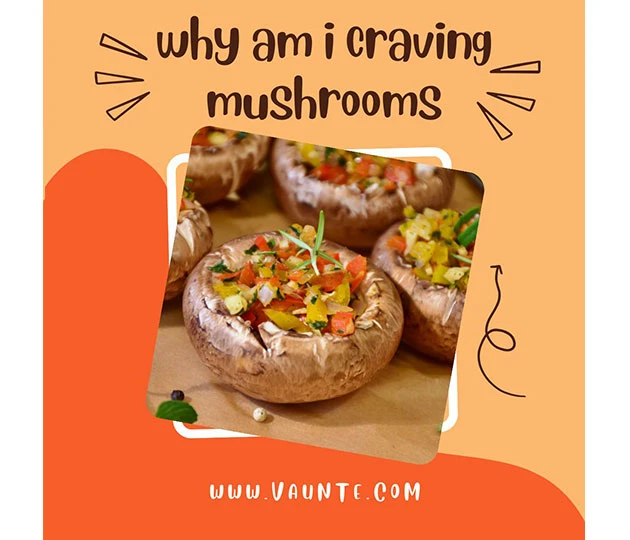
    Why Am I Craving Mushrooms? Reasons To Focus On

    0

    Mushrooms are used as a flavor in many dishes, as well as before consumption they are cooked as frying, roasting and baking. Many people crave it because of its health benefits.

    If you are craving mushrooms it’s probably due to a lack of Carbohydrates and fiber in your body that’s why your body gives you indication signs like craving which means you need nutrients that are found in mushrooms.

    Why Am I Craving Mushrooms?

    There are so many reasons that cause mushroom craving lets to discuss them in detail successively for better understanding.

    #1. Lack of Essential Nutrients:

    The term nutrient deficiency means that you are not getting enough nutrients such as vitamins and minerals as result it causes a number of problems. They are very essential to your function properly.

    Mushroom is a great source of vitamin d, vitamin b, and potassium. If you are deficient in these three nutrients that’s why you crave mushrooms. Our body acquires vitamin d to improve our immune system and prevent cancer. If your body is low in vitamin b it causes a craving for mushrooms and eating enough mushrooms in your diet easily satisfies your craving. Additionally, mushrooms are an excellent source of selenium which is good for the bladder.

    Related Content: Negative Effects of Portobello Mushrooms

    #2. Lack Carbohydrates and Fiber:

    Carbohydrates are the main source of energy and one of the important macronutrients in the diet along with fats and protein. Mushrooms are a great source of carbohydrate and fiber and craving mushroom is an indication sign that your body lack in carbohydrate and fiber.

    If you are deficient in these nutrients it cause cravings so add mushrooms to your diet to satisfy your urge further it’s a healthy option for vegetarians who are found for a meat substitute.

    #3. You’re Hungry:

    Hunger is another reason why you crave mushrooms if you are hungry you need food to satisfy your body at that time it is possible you crave your favorite food. Furthermore mushroom is a great source of nutrients after eating them you feel fuller all day however they work as fuel in your body and give you the energy to perform your daily task.

    In short, it satisfies your desire and also provides a sufficient amount of vitamins and minerals to your body.

    Why Am I Craving Mushrooms All of a Sudden?

    As mentioned earlier mushroom is a great source of nutrients like protein, fats, and fibers and it’s possible you are lacking in these nutrients that’s why you crave mushroom all of a sudden.

    Add mushrooms in your food to satisfy your urge further it is also beneficial for your health. It contains vitamin d and strengthens your immune system and is also good for your maintenance. Mushroom considers a fiber-rich and excellent source of carbohydrates.

    How to Stop Craving Mushrooms?

    As we can see, the mushroom is a pack of nutrients and other essential vitamins and minerals; if your body lacks these, it will cause mushroom cravings. If you want to stop craving it you have to eat enough amount of mushrooms in your diet it may help to stop craving it.

    Can I Eat Mushrooms While Pregnant?

    Craving mushrooms during pregnancy could be a sign that your body is deficient in nutrients like protein, fat, and carbohydrates which are very necessary for the proper growth of the baby. Mood swings might be a reason behind cravings and mushrooms contain Carbohydrates that stimulate the creation of serotonin, a neurotransmitter that uplifts the mood.

    Frequently Asked Questions (FAQs)

    Can you eat too many mushrooms?

    Yes, you can eat too much mushroom the reason is clear in front of you as it is full of benefits and healthy food for you. Additionally, it provides a great number of nutrients to your body.

    If you really like the taste of mushroom and you want it daily then you have to fix a sufficient amount of it according to your need. Keep in mind overeating causes digestion problems in result your stomach becoming upset and you feeling discomfort and pain in your stomach.

    What deficiency causes you to crave mushrooms?

    Usually, mushroom craving is caused by vitamin d deficiency further people who are not taking enough amount of nutrients in their diet also crave mushrooms. Low fibers level also cause a craving for it because it is a rich source of fiber. Further, the other main reason is you find comfort in eating mushrooms that’s why you crave them.

    What to eat when craving mushrooms?

    As we discussed, the mushroom is fiber-rich fruit and other vitamins and a great source of other nutrients but not just mushrooms provide you with these things you can try other substitutes of mango such as Tempeh, Tofu, Zucchini, Eggplant, Walnuts, or Pecans, Umami Seasoning, Beef Broth, and Sun-Dried.

    These alternatives easily provide a sufficient of amount nutrients to your body and also give satisfaction to your appetite.

    Synopsis

    In this whole discussion, we elaborated on the craving for mushrooms and the reason behind them furthermore we also talk about the other situation in which you crave mushrooms. Overall mushroom is a very beneficial and keeps us healthy and fit. I hope this information is helpful for you and clarifies your thoughts regarding mushroom cravings.

    Why Am I Craving Garlic? 3 Reasons To Know

    0

    Garlic is mostly used as a flavoring in cooking and spices in many dishes, it is possible that you crave garlic because you enjoy its taste and flavor in many dishes. According to research, ancient Egyptians used garlic as a food or medicine. At the same time, Greeks use it to serve digestion issues and respiratory infections. So garlic craving is normal due to its incredible benefits.

    If you crave garlic it’s probably due to a deficiency of vitamin c and other nutrients in your body. Furthermore, it is possible that you miss its flavor.

    Why Do I Crave Garlic?

    As we know there must be a reason behind your craving and garlic craving might be due to Nutritional insufficiency or maybe you find comfort in eating garlic. Let’s discuss the reasons in detail.

    #1. Nutritional insufficiency:

    The term nutrient deficiency means that you are not getting enough nutrients such as vitamins and minerals as result it causes a number of problems. They are very essential to your function properly. Garlic is a great source of vitamin c, calcium, and iron. If you are deficient in these three nutrients that’s why you crave garlic.

    Vitamin c:

    Only 3-4 cloves of garlic accommodate 2.8 milligrams of vitamin c well in short garlic is a great source of vitamin c .Our body acquires vitamin c to improve your immune system and prevent cancer. If your body is low in vitamin c it causes a craving for garlic and eating enough garlic in your diet easily satisfies your craving.

    Calcium:

    The 3-4 cloves of garlic hold an incredible amount of about 16.3 milligrams of calcium. It plays a vital role in our body it gives strength to our bones and teeth and also gives energy to the nervous system. As we know garlic is a great source of calcium that why we crave it when we are deficient in calcium.

    Iron:

    Only 3-4 cloves of garlic contain 0.2 milligram of iron. Iron helps to generate new red blood cells which improve the transportation of oxygen in your body and produce energy for your body to function properly. So if you crave garlic it might be due to iron deficiency.

    #2. Comfort and Satisfaction:

    We don’t always eat to satisfy our physical hunger sometimes we eat for our comfort to get relief from stress and get internal pleasure garlic is comfort food for many people it might be the reason behind your garlic craving.

    Sometimes garlic flavor can boost your mood and that’s why people also crave it furthermore garlic is a portion of healthy food and good for your health.

    #3. You’re Hungry:

    Hunger is another reason why you crave garlic if you are hungry you need food to satisfy your body at that time it is possible you crave your favorite flavor like garlic. Furthermore, garlic is an excellent source of nutrients after eating it you feel fuller all day however it works as fuel in your body and gives you the energy to perform your daily task.

    In short, it satisfies your desire and also provides a sufficient amount of vitamins and minerals to your body.

    Why Am I Craving Garlic All of Sudden?

    As mentioned earlier garlic is a great source of nutrients like vitamin c calcium and iron and it’s possible you are lacking in these nutrients that’s why you crave garlic all of sudden.

    Add garlic to our food to satisfy your urge further it is also beneficial for your health. garlic contains iron and iron generate new red blood cells in your body and provide oxygen .In this process energy is generated which help to perform a daily task in life.

    How to Stop Craving Garlic?

    As we can see garlic is a pack of nutrients and other essential vitamins and minerals and if your body is lacking these it will cause a garlic craving. If you want to stop craving it you have to eat enough amount of garlic in your diet it may help to stop craving it.

    Additionally, you can eat other alternatives of garlic that provide the same nutrient to your body such as Garlic chives, Asafetida, Lemon zest, Onions, Shallots and Cumin.

    Craving Garlic During Pregnancy:

    Craving garlic during pregnancy could be a sign that your body is deficient in nutrients like iron, calcium, and vitamin c which are very necessary for the proper growth of the baby.

    In this situation, women need an extra amount of these nutrients furthermore garlic is full of benefits and also gives prevention from many diseases.

    Frequently Asked Questions (FAQs)

    Can you eat too much garlic?

    Yes, you can eat too much garlic the reason is clear in front of you as it is full of benefits and healthy food for you. Additionally, it provides a great number of nutrients to your body.

    If you really like the taste of garlic and you want it daily then you have to fix the sufficient amount of it according to your need.

    What deficiency causes you to crave garlic?

    Usually, garlic craving is caused by vitamin c deficiency further people who are not taking enough amount of nutrients in their diet also crave garlic. Calcium deficiency also caused a craving for it because it is a rich source of calcium and iron. Further the other main reason is you find comfort in eating garlic which is why you crave it.

    What to eat when craving garlic?

    Well, garlic is rich in calcium and other vitamins and also a great source of other nutrients but not just garlic provides you with these things you can try other substitutes of garlic such as  Garlic chives, Asafetida, Lemon zest, Onions, Shallots and Cumin.

    These alternatives easily provide a sufficient amount to your body.

    Summary:

    In this whole discussion, we elaborated the craving for garlic and the reason behind that. Furthermore we also talk about the other situation in which you crave garlic. Overall garlic is a very beneficial flavor in the food and keeps us healthy and fit. I hope this information is helpful for you and clarifies your thoughts regarding garlic cravings.

    Can Albino People Dye Their Hair?

    0

    If you have albinism, you may have wondered if you can dye your hair like other people. Albinism is a genetic condition that affects the production of melanin, the pigment that gives color to your hair, skin and eyes. People with albinism usually have white or very light blonde hair that stands out from their pale skin.

    Yes, Albinos can dye their hairs. Dyeing your hair can be a fun way to express yourself and change up your look, but it also comes with some risks and responsibilities. 

    If you have albinism, you should consult a professional hairstylist who can advise you on the best products and techniques for your hair type and condition. You should also do a patch test before applying any dye to make sure you are not allergic or sensitive to it. And most importantly, you should love and embrace your natural beauty, whether you decide to dye your hair or not.

    Can Albinos Dye Their Hair?

    The answer is yes, you can dye your hair if you have albinism, but there are some important things to consider before you do. Here are some factors and figures to help you make an informed decision.

    • Type of hair Dye.
    • Color of hair Dye.
    • Care for your Dyed hair.

    The type of hair dye you use matters. 

    Permanent hair dyes contain harsh chemicals like ammonia and peroxide that can damage your hair and scalp, especially if they are already sensitive due to the lack of melanin. Temporary or Semi-permanent hair dyes are gentler and safer options that deposit color without lifting your natural pigment. Henna is a natural plant-based dye that can also be used to color your hair, but it may not give you the exact shade you want.

    The color of hair dye you choose matters. 

    Albino hair is like a blank canvas that can take any color easily, but it may also fade faster than pigmented hair. Bright colors like pink, blue or purple can look stunning on albino hair, but they may require more frequent touch-ups to maintain their vibrancy. Darker colors like brown or black can help you blend in more with the crowd, but they may also make your skin look more washed out. You should choose a color that compliments your skin tone and personal style.

    The care of your dyed hair matters. 

    Albino hair is prone to dryness and brittleness, so it needs extra moisture and protection after coloring. You should use a sulfate-free shampoo and conditioner that are formulated for color-treated hair, and avoid washing your hair too often to prevent fading. You should also apply a deep conditioning mask once a week to nourish and hydrate your hair. Avoid using heat styling tools like blow dryers or curling irons that can damage your hair further, and protect your hair from sun exposure with a hat or scarf.

    Crafting Unforgettable Yachting Experiences: A Deep Dive into Luxury

    0

    Imagine sailing across azure waters, surrounded by breathtaking landscapes and indulging in the epitome of luxury aboard a majestic yacht. Crafting unforgettable yachting experiences involves navigating through a sea of considerations to ensure every moment on board is nothing short of extraordinary. In this deep dive into luxury, we’ll explore key aspects that contribute to the art of yachting, drawing insights from Simpson Marine’s guide to considering yacht luxury aspects.

    Setting Sail with Purpose:

    A yacht voyage goes beyond the traditional definition of transportation and becomes a deliberate retreat where luxury blends with the tranquility of the wide ocean. Yachting’s appeal stems not from the destination itself, but rather from the inherent worth of the voyage, where each minute spent on board offers a chance to savour the luxury of being at sea. It’s a unique journey where the ship transforms into a vessel for sensory pleasure and the making of lifelong memories, in addition to being a means of transportation.

    Consider the design and layout of the yacht – how each space is meticulously crafted to enhance the overall experience. The seamless integration of indoor and outdoor spaces allows guests to connect with the ocean, whether lounging in the comfort of the interior or basking in the sun on the deck. This purposeful design transforms the yacht into a floating haven, embracing both the thrill of adventure and the luxury of relaxation.

    Indulging the Senses: Culinary Delights at Sea

    A key component of the yachting experience is culinary excellence, which takes it above and beyond the ordinary to create unique experiences for discriminating tourists. Creating culinary marvels that highlight the freshest ingredients, the onboard chefs play a crucial role in providing guests with an opulent dining experience that is tailored to their individual preferences. The gastronomic adventure takes place against the always shifting backdrop of the sea, resulting in a sensory symphony where the ambience of the water amplifies the flavours of expertly prepared dishes.

    Imagine savoring a gourmet meal under the stars, the gentle lull of the waves providing a rhythmic accompaniment to the exquisite dishes. From seafood delicacies to international cuisine, the culinary offerings aboard a luxury yacht are a testament to the commitment to creating a multisensory experience that lingers in the memory long after the journey concludes.

    Wellness on the Waves:

    In the world of luxury yachting, wellness takes centre stage, transforming the ship into a floating retreat devoted to mental, physical, and spiritual renewal. In the calming embrace of the wide sea, visitors can rejuvenate and be pampered with a carefully selected array of spa treatments offered by onboard facilities that rival those found in exclusive resorts. Envision taking part in yoga classes at dawn or enjoying spa services while taking in expansive views of the ocean; these experiences offer a level of holistic luxury that insinuates wellness into the very fabric of the yachting experience.

    Beyond the physical wellness offerings, the immersive nature of yachting promotes mental well-being. The sense of seclusion and the therapeutic sound of the waves create an environment conducive to relaxation and introspection. It’s a unique aspect of yachting that goes beyond the conventional understanding of luxury, embracing a lifestyle that nurtures both body and soul.

    Navigating the Sea of Connectivity:

    In a world where being connected is critical, luxury yachting distinguishes itself by skilfully incorporating technology to improve the experience of the voyage without compromising its natural tranquility. Modern navigation technologies help ensure a safe and comfortable journey, giving passengers the confidence to sail across wide waters.

    Additionally, the entertainment alternatives available on board accommodate the wide range of tastes of passengers, allowing them to stay connected to the outside world or enjoy multimedia experiences. The art of luxury sailing is striking a careful balance between providing contemporary conveniences and the surrounding natural beauty. In other words, technology should enhance, not take away from, the overall feeling of luxury and tranquility.

    Technology becomes an enabler rather than a distraction, allowing guests to stay connected with the outside world while fully immersing themselves in the yachting experience. Whether it’s enjoying a movie under the stars or accessing real-time information about the journey, the integration of technology enhances the overall luxury quotient without compromising the essence of the voyage.

    Conclusion: Elevating the Yachting Experience

    Crafting unforgettable yachting experiences is an intricate dance between design, gastronomy, wellness, and technology. It’s about transcending the ordinary and creating a tapestry of moments that linger in the heart and mind. As you dream of your next yachting adventure, consider the subtle nuances that transform a journey into an opulent escape.

    Elevate your expectations, not just of the destination, but of the journey itself. Embrace the purposeful design, savor the culinary delights, indulge in wellness, and navigate the sea of connectivity. Let each element weave together to create an unforgettable yachting experience – a journey that transcends the ordinary and embraces the extraordinary. After all, in the world of luxury yachting, the voyage is just as important as the destination.

    Financial Reset: How to Revamp Your Budget for a Successful Year

    0

    The “new year, new me” motto might be overdone, but that doesn’t make it any less effective when you seriously commit to improving yourself. This also holds true when you want to strengthen your financial status in order to build a more comfortable life for yourself.

    Whether you follow a budget or spend your money without organization, changing the way you handle your funds might be all you need to improve your finances. To help you with this journey to financial freedom, here is a lowdown on revamping your budget for a successful year.

    Determine Why You Want a Financial Do Over

    Before you fix something, you need to know what is actually wrong with it. This also applies to your budget and overall financial status. Whether you want to save more money to follow household innovation ideas or start investing in assets to build a nest egg, understanding the reason behind your potential financial overhaul helps you pick the right strategies for it. This sets a strong foundation for you to achieve your financial goals.

    Look Into Different Budgeting Strategies

    Similar to browsing through specialized lending products such as non-QM loans, you should take your time choosing between various budgeting methods. It’s because some budgeting practices such as the pay yourself first strategy are built for long-term savings, while other options such as the zero-based budget are more about controlling your spending. By picking the right budgeting strategy that fits your needs, you can manage your funds without biting more than you can chew.

    List Your Income and Expenses Accurately

    Whether you use a mindfulness journal or wellness app, you may often get the advice to be completely honest with your thoughts, concerns, and ideas. You can apply the same approach to refresh your budget with more honesty and clarity. When you note down your monthly income and planned expenses exactly as they are, it allows you to plan your finances better and lets you steer clear of surprises in the new year.

    Pay Off Debts to Save Money

    While certain debts such as mortgages and student loans can last for years, other types of lending products such as personal loans and credit cards can be paid off well before their time. By focusing on paying debt that keeps charging you avoidable interest, you can save more money in the long run. From the funds that you save, you can make your food budget go further or plan future vacations with ease.

    Save Some Room for Building Wealth

    Apart from paying off your debts, your budget should also have some room to help you build wealth. With options ranging from a gold 401k to mutual funds, you can find a variety of investment opportunities that help you build retirement savings and ongoing fortune. While you can find these investments on your own, you can also turn to a financial planning platform to discover suitable options that are a perfect fit for your budget.

    Outline Long-term and Short-term Goals

    When you build your budget for the new year, outlining a few goals for the next twelve months can help you stay motivated towards your new financial management practices. You can distribute these goals into long-term plans such as buying a home for your future family and short-term plans such as building the perfect walk-in closet for small spaces. This goes a long way towards helping you stick to your budget.

    Keep a Close Eye on Your Finances

    If you maintain the habit of writing about your day in a diary app or personal journal, you may understand the importance of reflecting on the immediate past. You can also use this practice for your new budget and monitor how well it is performing for your needs. In case you are not satisfied with the way your new budget handles your money, you can make certain changes to your budget or habits. This helps you maintain financial wellness for the foreseeable future.

    These suggestions give you the power to reset your budget in the new year, while also delivering the tools to improve your finances day by day. With consistent practice, you may finally find the financial comfort you need before the next change of the calendar.

    Beneficial Role of Private Investigators in Custody Battles and Divorce Cases

    0

    Family law cases are often emotionally charged, complex, and require meticulous attention to detail. In the realm of family law, private investigators play a crucial role in providing investigative support, particularly in custody battles and divorce cases. This article explores the multifaceted ways in which private investigators contribute to these legal proceedings, offering invaluable assistance to attorneys and individuals navigating challenging family situations.

    Uncovering Hidden Assets in Divorce Cases

    Divorce cases often involve complex financial matters, and spouses may attempt to conceal assets during divorce proceedings. Private investigators specializing in financial investigations are adept at uncovering hidden assets, ensuring that the division of marital property is equitable. Their meticulous approach can reveal offshore accounts, hidden income, or other financial discrepancies that may impact the outcome of the divorce settlement.

    Gathering Evidence of Misconduct

    In both custody battles and divorce cases, allegations of misconduct may arise. Private investigators are skilled in gathering evidence related to issues such as infidelity, substance abuse, or neglect. This evidence can be crucial in court proceedings, providing a factual basis for claims and influencing decisions related to child custody, alimony, and other relevant matters.

    Conducting Surveillance with Discretion

    Surveillance is a powerful tool in family law investigations, providing concrete evidence of a parent’s behavior or lifestyle. Private investigators conduct surveillance with the utmost discretion, ensuring that their presence remains undetected. Whether monitoring parenting practices, daily routines, or adherence to court orders, surveillance helps build a comprehensive picture for attorneys and the court.

    Verification of Parenting Abilities

    Private investigators play a role in verifying the parenting abilities of individuals involved in family law cases. This may include assessing the living conditions of each parent, evaluating their interactions with the child, and confirming adherence to court-mandated visitation schedules. These insights contribute to the court’s understanding of each parent’s suitability for custody.

    Assistance in Gathering Witness Statements

    Private investigators are skilled in interviewing and gathering statements from witnesses who may have relevant information in family law cases. These statements can range from observations of parental behavior to insights into the overall family dynamic. Witness statements add depth to the legal argument, providing firsthand accounts that may influence court decisions.

    Background Checks for Character Assessment

    Character assessments are integral to family law cases, especially when determining issues such as parental fitness. Private investigators conduct thorough background checks to assess the character and reputation of individuals involved. This may involve exploring criminal records, employment history, financial stability, and other factors that contribute to the court’s understanding of each party.

    Coordinating with Legal Teams

    A private investigator works closely with legal teams in family law cases, ensuring a collaborative and strategic approach. Attorneys rely on the expertise of investigators to provide relevant information, support legal arguments, and assist in developing a comprehensive case strategy. This collaboration enhances the overall effectiveness of the legal representation in family law proceedings.

    Maintaining Ethical Standards

    Private investigators operating in the realm of family law adhere to stringent ethical standards. They conduct investigations within the bounds of the law, ensuring that evidence gathered is admissible in court. This commitment to professional integrity contributes to the credibility of the information presented during legal proceedings.

    Supporting the Best Interests of the Child

    In custody battles, the paramount consideration is the best interests of the child. Private investigators contribute to this focus by providing unbiased and factual information that aids the court in making informed decisions. Their work is aligned with the overarching goal of ensuring the well-being and safety of the child involved.

    Conclusion:

    Private investigators play a pivotal role in family law cases, offering a range of services that contribute to the fair and just resolution of legal matters. Whether uncovering hidden assets, verifying parenting abilities, or gathering evidence of misconduct, their expertise provides attorneys and the court with the necessary tools to navigate the complexities of custody battles and divorce cases. As families navigate these challenging legal landscapes, the support of private investigators becomes an invaluable resource in pursuing the best outcomes for all parties involved.

    4 Meditation Techniques for Peak Athletic Performance

    0

    Imagine if you could enhance your athletic performance not just by physical training but by harnessing the power of your mind. Meditation, often overlooked in sports, is a game-changer. It’s not just for monks in the mountains. It’s a practical tool for those who seek a mental edge in their workouts.

    Relaxation in Athletes: 5 Effective Strategies

    Athletes often focus on physical training but overlook relaxation. However, relaxation techniques are crucial for peak performance. Here’s an expanded guide on effective strategies to reduce stress and improve focus. They will also be helpful for the meditation practices which we will further discuss.

    #1. Regular Breathing Exercises:

    Controlled breathing is a working performance enhancer. Deep, rhythmic exercises like diaphragmatic breathing can calm the mind and reduce anxiety. If you focus on slow, deep breaths, you can lower your heart rate and enter a state of calm, which is especially beneficial before a tough workout or competition.

    #2. Progressive Muscle Relaxation:

    Progressive Muscle Relaxation (PMR) is a methodical technique that involves tensing and relaxing each muscle group. Start from the toes and move upwards to work through your entire body. This practice helps identify areas of tension and teaches the body to distinguish between relaxation and muscle strain. PMR is particularly beneficial after intense training sessions. It aids in muscle recovery and prevents injury.

    #3. Visualization Techniques:

    By vividly imagining the successful execution of skills or achieving goals, you can enhance confidence and mental preparedness. According to this technique, you should visualize the entire experience, including the environment, emotions, and actions. Regular visualization practice can lead to improved focus, reduced performance anxiety, and a positive mindset, all of which are crucial for success in sports.

    #4. Natural Supplements:

    Natural supplements promote relaxation and recovery. Magnesium, for instance, reduces muscle cramps. Omega-3 fatty acids, found in fish oil, have anti-inflammatory properties and can help manage stress levels. Herbal supplements like ashwagandha or delta 9 thc gummies promote relaxation and improve sleep.

    #5. Yoga and Gentle Stretching:

    Yoga enhances physical flexibility, crucial for performance and injury prevention. The mindful breathing and meditative aspects of yoga can help you achieve mental clarity and calmness. Regular practice can improve concentration, reduce stress, and enhance overall well-being.

    4 Proven Meditation Techniques for Athletes

    1. Mindfulness Meditation

    Mindfulness meditation is about presence in the moment without judgment. Focus on breath, bodily sensations, or the sounds in the environment. This technique helps develop a calm, focused state of mind, which is crucial during high-pressure situations.

    Regular mindfulness practice can enhance concentration, reduce performance anxiety, and improve reaction times. It also helps to accept and move past setbacks.

    2. Body Scan Meditation

    Body scan meditation involves slow attention shifts through different body parts, from the toes to the crown of the head. This practice develops a greater awareness of bodily sensations to identify areas of tension or discomfort. Such understanding is crucial for injury prevention and maintaining optimal physical condition.

    It also promotes a deeper mind-body connection and enhances control over physical responses and emotional states. Regular body scans can lead to better posture, improved breathing patterns, and heightened physical well-being.

    3. Loving-Kindness Meditation

    Loving-kindness meditation focuses on cultivating compassion and goodwill towards oneself and others. This practice can improve your emotional well-being, reduce stress and anxiety, and foster a positive team environment. This positive mental state can improve cooperation, communication, and a more enjoyable sporting experience.

    4. Mantra Meditation

    Mantra meditation means repeating a word or phrase that holds personal significance or relates to your goals. This repetition helps maintain focus and can help to ward off distracting thoughts and negative self-talk. The mantra can be a source of motivation, resilience, or calm, depending on your needs. This technique helps to maintain concentration during long training sessions or competitions.

    Conclusion:

    Incorporating meditation into your athletic training isn’t just about sitting quietly. It’s about building mental strength to complement your physical prowess. These six meditation techniques enhance focus, reduce stress, and improve performance. Remember, the mind is as crucial as the body in sports. Training it with the same dedication opens the door to new achievement and personal growth.