Monday, June 8, 2026
More
    Home Blog Page 10

    Gaucho Pants: A Fashion Staple Across Decades

    0

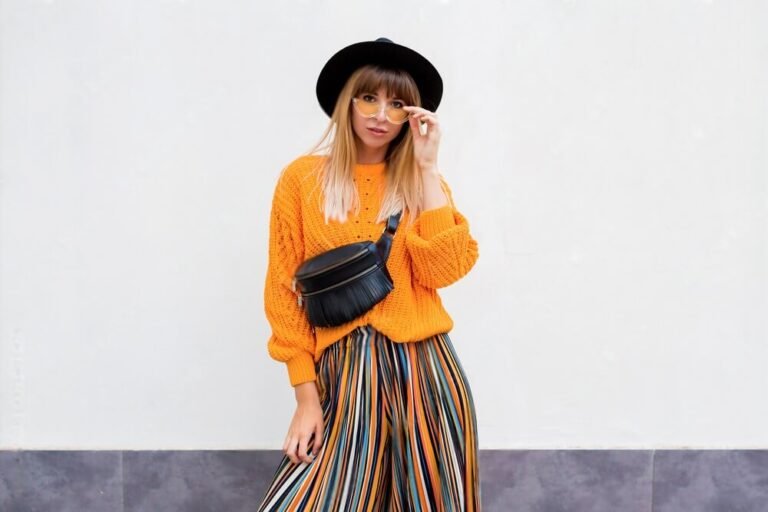
    Gaucho pants, known for their distinctive wide-leg, cropped design, have made a notable impact on the fashion world. These pants, inspired by the traditional attire of South American cowboys, or “gauchos,” offer a unique blend of comfort and style. Characterized by their wide leg that flares out from the waist and typically ending mid-calf, gaucho pants are both practical and versatile, making them a favorite for various occasions.

    Gaucho Pants in Modern Fashion:

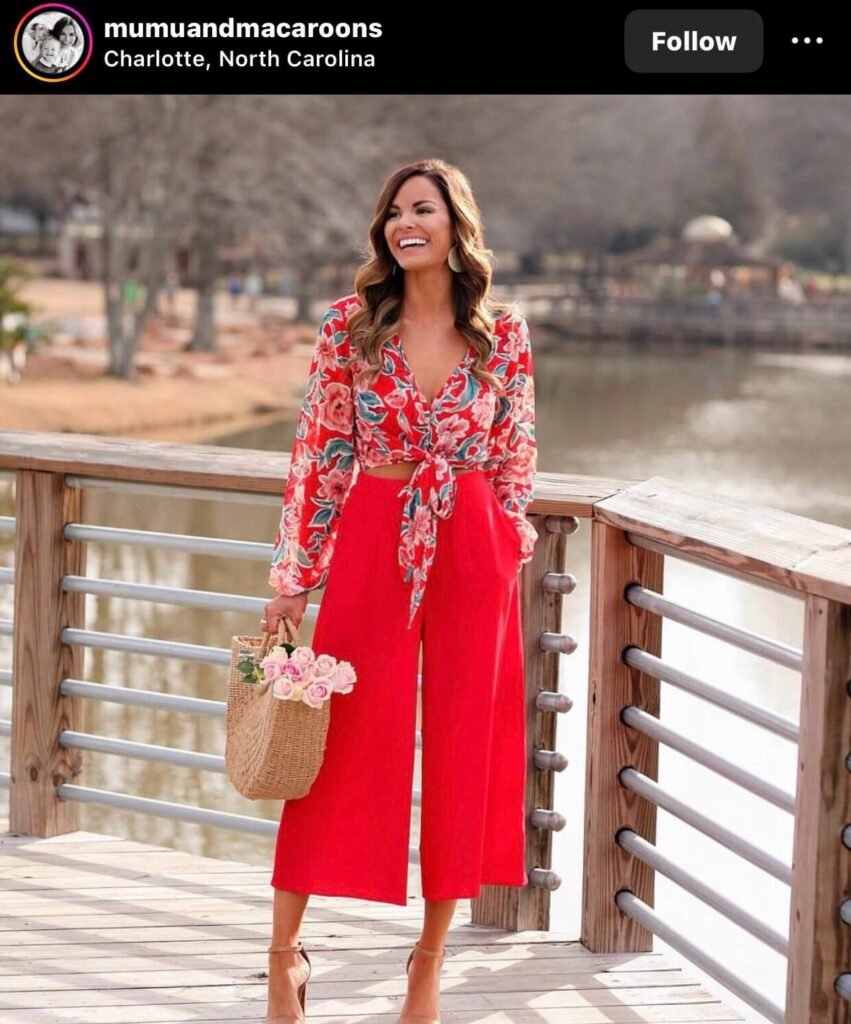
    Today, gaucho pants are experiencing a revival, often seen in street style and high fashion alike. Designers are reinterpreting this classic silhouette with modern twists, incorporating contemporary fabrics like denim, silk, and jersey. This resurgence is part of a broader trend in the fashion industry that embraces retro styles and reimagines them for today’s tastes.

    Source: Instagram.com/mumuandmacaroons/

    Influencers and celebrities have been spotted sporting gaucho pants, further cementing their return to the fashion forefront. This modern comeback highlights the timeless appeal of gaucho pants and their ability to adapt to changing fashion landscapes while maintaining their core attributes of comfort and style.

    What Are Gaucho Pants Called Today?

    In Today’s fashion, gaucho pants are often referred to as “culottes“. While there are slight differences—culottes can sometimes be slightly longer or shorter, and occasionally more tailored—the terms are frequently used interchangeably in the fashion industry.

    Modern culottes have evolved from their traditional roots, incorporating diverse fabrics and patterns to suit the dynamic tastes of today’s fashion enthusiasts. Despite the new name, the essence of gaucho pants remains, celebrated for their comfort and chic, breezy aesthetic.

    Are Gaucho Pants Flattering?

    Gaucho pants can indeed be flattering, depending on how they are styled. Their high waist and wide legs can create a balanced silhouette, accentuating the waist while offering a relaxed fit over the hips and thighs. This makes them particularly appealing for various body types. Pairing gaucho pants with a fitted top can enhance the overall look, creating a harmonious proportion that elongates the legs.

    Additionally, wearing heels or wedges with gaucho pants can further enhance their flattering effect, giving the wearer an elegant and elongated appearance.

    What Decade Are Gaucho Pants?

    Gaucho pants have seen popularity across multiple decades, but they are most notably associated with the 1970s. This era, known for its bold and eclectic fashion choices, embraced the relaxed yet stylish nature of gaucho pants.

    The 1970s fashion scene was all about breaking away from the rigid styles of previous decades, and gaucho pants fit perfectly into this trend with their free-flowing design and comfort. However, gaucho pants have transcended their original era, making resurgences in various forms in subsequent decades, including the early 2000s and even today.

    What Year Were Gauchos Popular?

    Gaucho pants experienced a significant surge in popularity in the mid-1970s. Around 1975, they became a must-have item in many wardrobes, often seen in both casual and more formal settings. This period saw gaucho pants being embraced not just by fashion-forward individuals but also by mainstream culture.

    The mid-70s offered a fertile ground for such innovative styles, as people were eager to experiment with new and unrestrictive clothing options. This peak in popularity was marked by their presence in fashion magazines, runways, and even everyday wear, cementing their status as an iconic fashion item of the time.

    Conclusion:

    Gaucho pants have a rich history and a lasting appeal that continues to resonate in the fashion world. From their origins as practical attire for South American cowboys to their contemporary iterations as culottes, these pants have proven to be a versatile and enduring style. Whether viewed through the lens of their flattering design, their association with the free-spirited 1970s, or their enduring popularity, gaucho pants remain a beloved and influential piece in the ever-evolving landscape of fashion.

    Forbidden Pants: From Taboo to Trendsetter

    0

    The story of forbidden pants is a testament to the evolving nature of fashion and societal norms. While pants themselves are a simple garment, their cultural significance has sparked debates and driven social change throughout history.

    Today, the once-forbidden trousers are a staple in wardrobes worldwide, symbolizing progress and the breaking of outdated taboos. The journey of forbidden pants from taboo to acceptance underscores the dynamic interplay between fashion, culture, and societal values.

    Let’s delve into the fascinating world of forbidden pants, exploring their origins, the reasons behind their prohibition, and their impact on fashion and society.

    What are Forbidden Pants?

    “Forbidden pants” is not a specific type of trousers but rather a term that encompasses various styles of pants that were banned or heavily stigmatized at different times and places. These bans often reflected deeper societal norms and power dynamics, particularly concerning gender roles and decency standards.

    Historical Context and Origins

    The concept of forbidden pants dates back centuries and varies widely across cultures:

    #1. Women’s Pants in Western Societies:

    Historically, in many Western cultures, women wearing pants was considered taboo. This stems from long-standing gender norms that dictated that women should wear skirts or dresses. For instance, during the Victorian era, it was scandalous for women to be seen in trousers. In the 19th century, the introduction of bloomers, a type of baggy trousers worn under skirts, faced significant backlash despite their practicality.

    Source: Pinterest.com

    #2. Sumptuary Laws in Europe:

    In medieval and Renaissance Europe, sumptuary laws were enacted to control consumption and maintain social hierarchies. These laws often included regulations on clothing, sometimes prohibiting certain classes from wearing specific types of pants or fabrics.

    #3. Cultural and Religious Restrictions:

    In some cultures, certain styles of pants were forbidden due to religious beliefs. For example, in some conservative Muslim communities, form-fitting trousers for women are considered inappropriate, prompting debates about modesty and modern fashion.

    Modern Examples and Controversies:

    In contemporary times, the notion of forbidden pants persists, though often in different contexts:

    1. School Dress Codes: Many schools enforce dress codes that ban certain types of pants, such as leggings or ripped jeans, often sparking debates about body shaming and gender discrimination.

      2. Workplace Attire: In some professional environments, particularly those with traditional dress codes, certain styles of pants, like jeans or cargo pants, are forbidden to maintain a formal image.

      3. Fashion Statements and Social Movements: The prohibition of certain pants has also been challenged by fashion movements. For instance, the 1960s and 1970s saw the rise of unisex fashion, with women boldly wearing pantsuits and jeans as a statement of gender equality.

      The Invention and Evolution of Pants:

      To understand the forbidden aspect, it’s crucial to trace the invention and evolution of pants:

      Ancient Times:

      Pants are believed to have been invented by the nomadic horse-riding cultures of Central Asia around 3,000 years ago. Their practicality for horseback riding made them popular among warriors and traders.

      Medieval and Renaissance Europe:

      In these periods, trousers were common among men, particularly for their practicality in battle and labor. Women’s fashion, however, remained largely skirted.

      19th and 20th Centuries:

      The industrial revolution and subsequent world wars played significant roles in normalizing pants for women due to their practicality in factories and military roles. However, social acceptance lagged behind these practical changes.

      Forbidden Pants in Pop Culture and Media

      Forbidden pants have also made their mark in pop culture:

      Film and Literature:

      Many films and books have highlighted the struggles and rebellions associated with forbidden pants. Characters defying gender norms by wearing pants often symbolize broader themes of independence and rebellion.

      Fashion Icons:

      Figures like Marlene Dietrich and Katharine Hepburn in the early 20th century, who wore pants unapologetically, became icons of empowerment and style.

      What Factors Guide the Selection of a DNA Test to Determine Parentage?

      0

      When it comes to determining parentage using DNA tests, it’s crucial to select the right test to ensure accurate and reliable results. With a variety of options available in the market, understanding the factors that guide this choice is important. DNA tests play a crucial role in establishing family connections and answering questions about ancestry. However, with the variety of tests available in the market, it can be challenging to choose the one that best suits your needs.

      In this article, we will explore in detail the key factors to consider when selecting a DNA test to determine parentage. In this article, we will explore in detail the key factors to consider when selecting a DNA test to determine parentage, to help you make an informed decision.

      What is the primary objective of the DNA test you are considering?

      The objective of the DNA test is one of the first factors to consider. You need to clearly determine whether you are seeking to establish paternity, maternity, or confirm relationships among extended family members. Each type of relationship often requires a specific DNA test with genetic markers tailored to that particular objective.

      What type of relationship are you seeking to establish with the DNA test you are considering?

      The nature of the relationship you wish to establish can also influence the choice of DNA test. For example, determining paternity may require the use of different DNA tests than those used to establish siblinghood between individuals. Ensure you choose a test that specifically matches the parent-child relationship you wish to establish.

      How reliable and accurate is the DNA test you are considering for establishing parentage?

      Reliability and accuracy of results are crucial for any parentage DNA test. Look for reputable laboratories or test providers that use proven methods and advanced technologies to ensure reliable results. Check the accuracy rates and laboratory validation methods to ensure the quality of the test.

      What genetic markers does the DNA test use to establish parentage?

      Different DNA tests use different genetic markers to establish parentage. Some focus on microsatellite markers, while others may use SNPs (Single Nucleotide Polymorphisms) or other types of markers. Ensure that the markers used in the test are suitable for your specific objective and provide sufficient resolution for accurate results.

      Does the DNA test you are considering cover a wide range of species for establishing parentage?

      If you are working with specific animal species, ensure that the DNA test you choose covers those species. Some DNA tests are species-specific, while others can be used for a broad range of species. Check the species coverage offered by the test to ensure it meets your needs.

      Is the DNA test you are considering easy to use for establishing parentage?

      The ease of use of the DNA test is also important, especially if you plan to collect and send samples yourself. Look for tests that offer clear and simple instructions, as well as a convenient and non-invasive sample collection process.

      What is the cost of the DNA test you are considering for establishing parentage?

      Compare the costs of different DNA tests available in the market. Ensure to consider the cost of the test itself as well as sample shipping fees and any other additional charges. Balance the cost with the quality and reliability of the test to find the best value for money.

      Conclusion:

      Choosing the right DNA test to determine parentage is crucial for obtaining accurate and reliable results. By carefully examining factors such as the test objective, type of relationship to establish, reliability and accuracy of results, genetic markers used, species coverage, ease of use, and cost, you can make an informed decision that meets your specific needs. It’s important to choose a reputable laboratory or test provider and verify the quality and accuracy of results. By considering these factors, you can choose a DNA test that will provide you with accurate and reliable results, helping you understand your ancestry and establish family connections.

      8 Strongest Natural Antibiotic for Tooth Infection?

      0

      For a tooth infection, it’s important to consult a dentist for proper diagnosis and treatment. However, there are some natural remedies that may help alleviate symptoms or support overall oral health. Keep in mind that while these remedies may have anecdotal support, they are not substitutes for professional dental care.

      What is The Strongest Natural Antibiotic for Tooth Infection?

      Check out the 9 most effective and strongest natural antibiotic for tooth infections:

      1. Saltwater Rinse:

      Mix a teaspoon of salt in warm water and rinse your mouth several times a day. Saltwater can help reduce inflammation and kill bacteria. Also Highly Recommended by Colgate.

      2. Garlic:

      Garlic has natural antibacterial properties. You can either chew a clove of garlic or make a paste and apply it to the affected tooth. However, be aware that garlic can be strong and may cause discomfort in some cases.

      3. Clove Oil:

      Clove oil contains eugenol, which is a natural anesthetic and antibacterial agent. Apply a small amount of clove oil to a cotton ball and gently dab it on the affected area. You can also add a few drops of clove oil to water and use it as a mouth rinse.

      4. Tea Tree Oil:

      Tea tree oil has antibacterial and anti-inflammatory properties. Mix a few drops of tea tree oil with water and use it as a mouthwash. Be cautious with tea tree oil as it can be toxic if ingested in large amounts.

      5. Turmeric:

      Turmeric has antimicrobial and anti-inflammatory properties. Make a paste using turmeric powder and water, then apply it to the affected tooth and gums.

      6. Oil Pulling:

      Swishing coconut oil or sesame oil in your mouth for about 15-20 minutes (spit it out afterward) is believed to help remove bacteria and improve oral health. However, scientific evidence supporting its effectiveness for treating infections is limited.

      7. Oregano Oil for Tooth Infection:

      Oregano oil contains compounds like carvacrol that have antimicrobial properties. Dilute oregano oil with a carrier oil and apply it to the gums around the affected tooth.

      8. Goldenseal:

      Goldenseal contains berberine, an antimicrobial compound. It can be diluted into a mouthwash to help fight oral infections.

      Conclusion:

      Our given natural remedies may offer temporary relief and support oral health, they are not substitutes for professional dental care. If you suspect a tooth infection, it’s crucial to seek advice and treatment from a dentist. Incorporating these natural remedies as complementary measures alongside dental care may contribute to overall oral well-being.

      Turtle Neck Syndrome: Exercises, Causes and Symptoms

      0

      Turtle Neck Syndrome, also known as “text neck” or “forward head posture” is a modern-day musculoskeletal condition that has become increasingly prevalent due to the widespread use of smartphones, computers, and other electronic devices. This syndrome refers to the forward bending of the neck and shoulders, resembling the posture of a turtle retracting into its shell.

      What is Turtle Neck Syndrome?

      Turtle Neck Syndrome is a term that describes a condition where individuals experience neck pain and discomfort due to prolonged forward head posture, often associated with frequent use of smartphones, computers, or other digital devices. It can lead to muscle strain, tension headaches, and reduced neck mobility.

      Facts & Figures:

      1. The American Chiropractic Association reports that forward head posture can increase the weight load on the cervical spine by up to 60 pounds, leading to structural changes and chronic pain.

      2. Research published in the European Spine Journal suggests that adopting a more upright posture can reduce the strain on the neck and improve overall musculoskeletal health.

      What Causes Turtle Neck Syndrome?

      There are many much causes for the turtle neck syndrome but the most major and important causes are the below given 4.

      1. Prolonged Device Usage:

      The primary cause of Turtle Neck Syndrome is spending extended periods hunched over electronic devices such as smartphones, tablets, and laptops. This posture leads to increased strain on the neck muscles and ligaments.

      2. Poor Ergonomics:

      Incorrect positioning of computer monitors, keyboards, and chairs can contribute to poor posture and exacerbate neck strain.

      3. Lack of Physical Activity:

      Sedentary lifestyles and a lack of regular exercise weaken the neck and back muscles, making individuals more susceptible to developing Turtle Neck Syndrome.

      4. Age-Related Changes:

      As people age, the elasticity of their spinal discs decreases, making them more vulnerable to posture-related issues like forward head posture.

      Major Symptoms of Turtle Neck Syndrome:

      • Neck Pain: Persistent pain and stiffness in the neck region, especially at the base of the skull.
      • Shoulder Discomfort: Aching or tension in the shoulders due to the forward positioning of the head.
      • Headaches: Frequent headaches, particularly tension headaches, can occur as a result of muscle strain and tension in the neck and upper back.
      • Reduced Range of Motion: Difficulty in turning or tilting the head freely due to tightness in the neck muscles.
      • Numbness and Tingling: Some individuals may experience numbness, tingling sensations, or weakness in the arms and hands due to nerve compression in the neck area.

      Fixes and Remedies for Turtle Neck Syndrome:

      1. Posture Correction: Conscious efforts to maintain proper posture while using electronic devices can significantly alleviate symptoms. This includes keeping the head aligned with the spine and avoiding excessive forward bending.

      2. Ergonomic Adjustments: Creating a more ergonomic workstation by adjusting the height of chairs, monitors, and keyboards can reduce strain on the neck and shoulders.

      3. Regular Breaks: Taking frequent breaks from prolonged device usage to stretch and move around can prevent muscle fatigue and stiffness.

      4. Neck Exercises: Performing strengthening and stretching exercises for the neck and upper back muscles can improve flexibility and alleviate tension.

      5. Physical Therapy: In severe cases or when symptoms persist, consulting a physical therapist can provide personalized exercises and techniques to address Turtle Neck Syndrome.

      Exercises to Alleviate Turtle Neck or Text Neck:

      Incorporating specific exercises into your routine can help alleviate the symptoms of Text Neck and improve your overall neck and spine health. Here are some effective exercises:

      1. Chin Tucks:

         – Sit or stand with your back straight.

         – Gently tuck your chin towards your chest, as if creating a double chin.

         – Hold the position for 5-10 seconds, then relax.

         – Repeat for 10-15 repetitions.

      2. Neck Stretches:

         – Tilt your head towards your right shoulder until you feel a gentle stretch on the left side of your neck.

         – Hold the stretch for 15-20 seconds.

         – Return to the neutral position and repeat on the other side.

         – Perform 3 sets on each side.

      3. Upper Trapezius Stretch:

         – Sit or stand with your back straight.

         – Reach your right arm over your head and gently tilt your head towards your left shoulder, feeling a stretch along the right side of your neck and shoulder.

         – Hold for 15-20 seconds and then switch sides.

         – Repeat 3 times on each side.

      4. Shoulder Blade Squeezes:

         – Sit or stand with your arms relaxed by your sides.

         – Squeeze your shoulder blades together as if trying to hold a pencil between them.

         – Hold the squeeze for 5-10 seconds, then release.

         – Repeat for 10-15 repetitions.

      5. Upper Back Extension:

         – Stand with your feet shoulder-width apart and place your hands on your lower back for support.

         – Slowly arch your upper back backward, lifting your chest towards the ceiling.

         – Hold the stretch for 10-15 seconds, then return to the starting position.

         – Repeat for 8-10 repetitions.

      6. Thoracic Extension Stretch:

         – Kneel on the floor with your hands placed shoulder-width apart in front of you.

         – Lower your chest towards the floor, keeping your hips aligned with your knees.

         – Arch your upper back upward, stretching your thoracic spine.

         – Hold for 15-20 seconds and then return to the starting position.

         – Repeat 3 times.

      7. Posterior Shoulder Stretch:

         – Stand tall with your feet hip-width apart.

         – Extend your right arm across your chest at shoulder height.

         – Use your left hand to gently pull your right arm towards your chest, feeling a stretch in the back of your shoulder.

         – Hold for 15-20 seconds and switch sides.

         – Repeat 3 sets on each side.

      8. Seated Cat-Cow Stretch:

         – Sit on a chair with your feet flat on the floor and your hands resting on your knees.

         – Inhale and arch your back, lifting your chest and tilting your pelvis slightly forward (Cow Pose).

         – Exhale and round your spine, tucking your chin towards your chest (Cat Pose).

         – Alternate between Cat and Cow poses for 1 minute, focusing on spinal mobility.

      It’s important to perform these exercises gently and gradually increase intensity as tolerated. Consistency is key to retraining your muscles and improving posture. If you experience persistent pain or discomfort, consult a healthcare professional for personalized advice and treatment.

      Conclusion:

      Turtle Neck Syndrome is a common yet preventable condition that stems from modern lifestyle habits and poor ergonomic practices. By raising awareness about its causes, recognizing early symptoms, and implementing corrective measures such as posture correction, ergonomic adjustments, and regular exercise, individuals can mitigate the effects of this syndrome and improve their overall neck and spine health.

      If symptoms persist or worsen, seeking professional medical advice and physical therapy can provide tailored solutions for managing Turtle Neck Syndrome effectively.

      How Long Until A Tooth Infection Kills You? Truth Revealed!

      0

      Dental infections are common and often treatable, they can pose significant health risks if left untreated. One of the most pressing questions for someone dealing with such an infection is: How long until a tooth infection kills you?

      According to NCBI,

      The estimated rate of death was approximately 1 in 150 cases admitted for oral and maxillofacial infections. Most of the patients who died were diabetics with deep or necrotizing infections. Particular attention should be paid to patients with these features.

      Tooth infections don’t typically result in immediate death, but they can lead to severe complications that can be life-threatening if not addressed promptly. 

      Factors that determine the seriousness of a tooth infection:

      Here are some key factors that determine the seriousness of a tooth infection:

      1. Type and Severity of Infection:

      Dental abscesses can be classified into two main types: periapical abscess (affects the tip of the tooth’s root) and periodontal abscess (involves the gums and supporting bone). Periapical abscesses are more common and can progress rapidly, leading to systemic infections.

      2. Spread of Infection:

      If a tooth infection is left untreated, bacteria can spread from the tooth and its surrounding tissues to other parts of the body, including the jawbone, sinuses, brain, and bloodstream. This spread of infection, known as sepsis or bacteremia, can have severe consequences.

      3. Individual Health Factors:

      The impact of a tooth infection on an individual’s health depends on various factors such as their immune system strength, overall health status, age, and any underlying medical conditions.

      Timeline of Tooth Infection Progression:

      It’s crucial to understand that the progression and impact of a tooth infection can vary widely from person to person. However, a general timeline can help shed light on the potential risks:

      1. Early Stage (Days to Weeks):

      In the initial stages, a tooth infection may cause localized pain, swelling, and inflammation. Without treatment, the infection can worsen, leading to the formation of an abscess or a pocket of pus.

      2. Advanced Stage (Weeks to Months):

      As the infection progresses, it can spread to nearby tissues, causing more severe pain, swelling, and potentially compromising the tooth’s stability. At this stage, the risk of complications such as cellulitis (infection of the soft tissues), Ludwig’s angina (a severe infection of the neck and throat), and osteomyelitis (bone infection) increases.

      3. Systemic Complications (Months to Years):

      If the infection continues to spread unchecked, it can enter the bloodstream, leading to systemic complications such as sepsis, endocarditis (infection of the heart’s inner lining), or brain abscess. These complications can be life-threatening and require immediate medical intervention.

      Treatment and Prevention From Tooth Infection:

      The key to preventing serious health risks associated with tooth infections is early diagnosis and prompt treatment. Dental abscesses are typically treated with a combination of antibiotics to control the infection and dental procedures such as root canal therapy or tooth extraction to remove the source of the infection.

      In addition to seeking professional dental care, practicing good oral hygiene, including regular brushing, flossing, and dental check-ups, can help prevent tooth infections and related complications.

      Conclusion:

      While a tooth infection itself may not directly cause immediate death, the complications that can arise from untreated infections can pose significant health risks. Understanding the progression of tooth infections, recognizing early symptoms, and seeking timely dental care are essential steps in preventing serious complications and maintaining overall health and well-being. If you suspect you have a tooth infection or are experiencing dental pain or swelling, don’t hesitate to consult a dental professional for evaluation and treatment.

      Buster Murdaugh Wedding: Celebration of Love and Tradition

      0

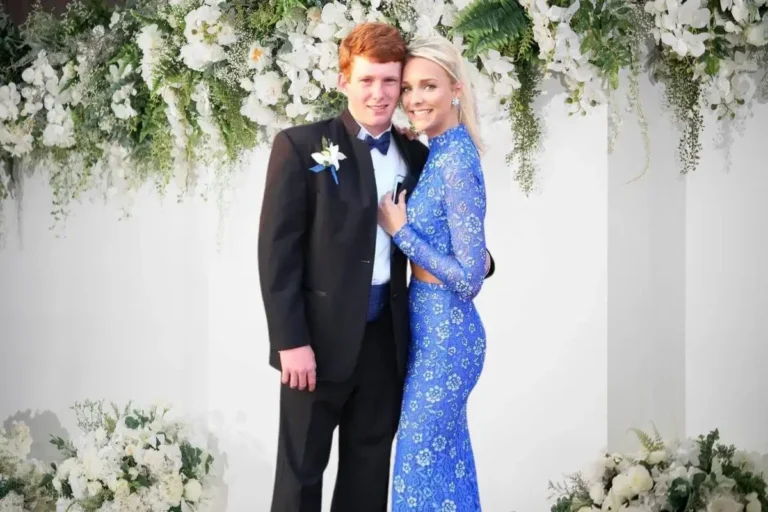
      Weddings are not just ceremonies; they are moments that symbolize love, unity, and the beginning of a new chapter in life. Buster Murdaugh and his beloved partner, Sarah, recently hosted a wedding that not only captured hearts but also set a new standard for opulence and grandeur. Let’s delve into the world of Buster Murdaugh’s lavish wedding and explore what made it an event of the century.

      The Love Story:

      Buster Murdaugh’s journey to matrimony with Sarah began with a chance encounter, blossoming into a deep connection rooted in shared values and interests. Their love story wasn’t just a private affair but a captivating tale that enthralled the entire community of Willow Creek. Their bond, characterized by camaraderie and respect for tradition, became a beacon of hope and inspiration for many.

      Planning the Wedding:

      The meticulous planning of Buster and Sarah’s wedding involved a dream team of planners and designers who worked tirelessly to bring their vision to life. The venue, carefully selected for its picturesque beauty and tranquility, provided the perfect backdrop for the grand affair. Invitations were crafted with precision, setting the tone for the luxurious event that awaited guests.

      Theme and Decor:

      The theme of the wedding seamlessly blended tradition with luxury, reflecting Buster Murdaugh’s style and heritage. From elegant floral arrangements to rich color palettes, every decor element exuded sophistication, creating a magical ambiance for the celebration.

      The Big Day:

      As the day unfolded, every moment was meticulously orchestrated to reflect the couple’s love and commitment. The exchange of vows, the ring ceremony, and special readings added depth and meaning to the ceremony, symbolizing the couple’s eternal bond.

      Fashion and Style:

      Buster and Sarah’s fashion choices epitomized elegance and sophistication, setting the tone for the entire event. The bridal party’s attire complemented the overall aesthetic, enhancing the visual appeal of the celebration.

      Entertainment and Cuisine:

      Live performances and a curated playlist added excitement to the festivities, while culinary delights tantalized guests’ taste buds. From cocktail hour delicacies to a grand feast, every dish was a culinary masterpiece that left a lasting impression.

      Photography and Social Media Presence:

      Professional photographers and videographers captured every moment, ensuring that the essence of the day was preserved for eternity. Social media played a vital role, allowing guests to share their experiences and moments from the event, solidifying the memories created.

      Family and Community Involvement:

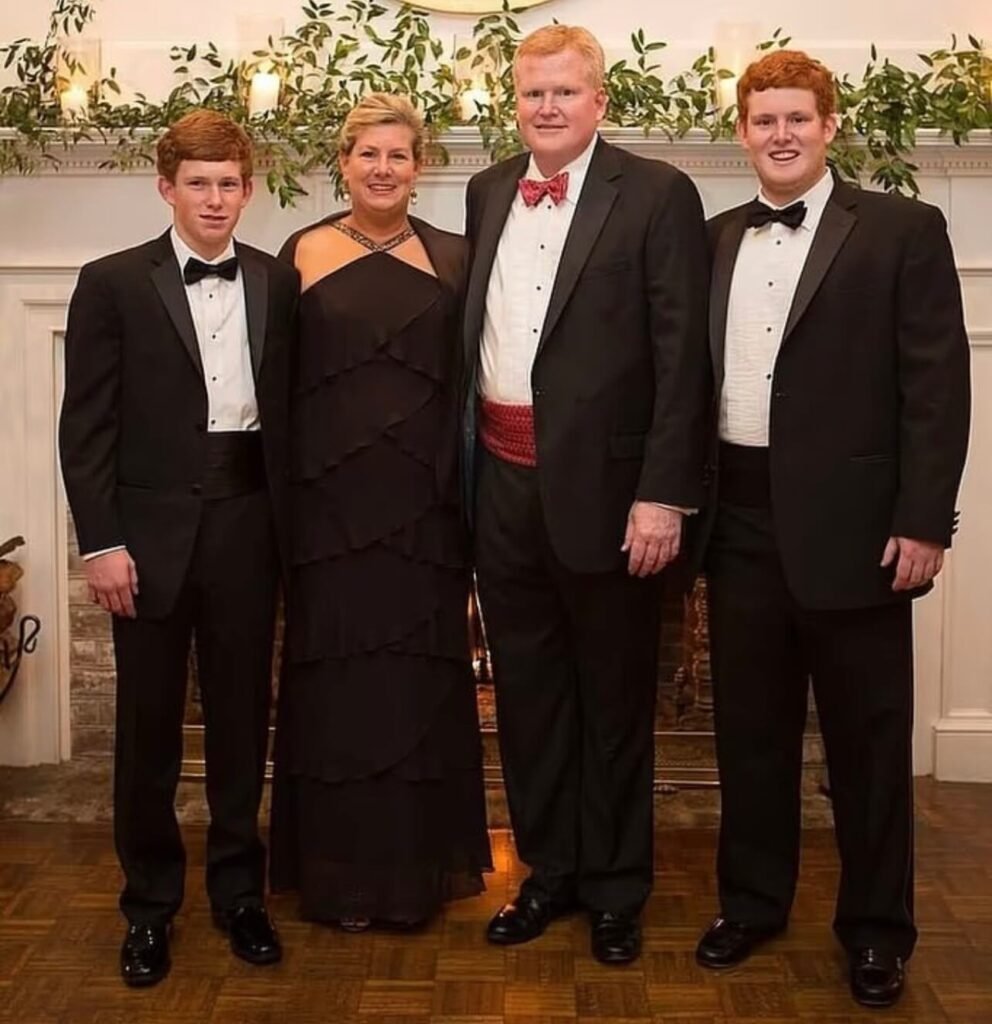
      The Murdaugh family’s support and the presence of distinguished guests added to the celebration’s glamour and excitement. Toasts and speeches honored the newlyweds, highlighting the love and joy shared by all.

      Impact and Legacy:

      The wedding of Buster Murdaugh and Sarah wasn’t just a lavish event; it was a celebration of love, unity, and tradition. Its impact on society events and charitable initiatives showcased the couple’s generosity and commitment to their community.

      Conclusion:

      In conclusion, Buster Murdaugh’s extravagant wedding was more than a ceremony; it was a testament to love, tradition, and shared happiness. As Buster and Sarah embark on their journey as husband and wife, their wedding remains a timeless reminder of the beauty of love and togetherness.

      The Story of Paul Inouye Wife

      0

      Paul Inouye’s wife is Jacqueline, Paul is a very successful businessman from America. He is now the CEO of a company called Western Hill Partners. Western Hill Partners helps tech companies with things like getting money from investors. Paul has worked in the tech investment world for over 20 years.

      How Paul and Jacqueline Met?

      Paul met his wife Jacqueline at a big bank called Morgan Stanley in 1992. At that time, Jacqueline was a nurse who took care of sick people. But after meeting Paul, she changed her career to work in finance which is about money and investing.

      Jacqueline finding a new job in finance was not easy since she did not study that in school. But her experience as a nurse helped her understand people in a different way. Now she uses this mix of caring for others and knowing about money in her work to help charitable groups.

      Some of the good causes Jacqueline supports are ones for mental health, the environment and children’s hospitals. Even though she does not work full-time anymore to raise their two kids, she remains active in making the world a little better.

      Paul Inouye Technology Career:

      Paul has been very successful in his technology investment career. He has worked at important companies and helped new tech businesses with getting funding from investors to grow. Through his expertise in deals, mergers and public offerings, Paul is trusted in his field.

      Their success has provided Paul and Jacqueline a luxurious lifestyle with homes in nice areas. They also enjoy travelling worldwide together. However, they do not keep their good fortune to themselves. They continue donating time and money to causes through charitable work.

      Paul Inouye Early Life and Struggle:

      Paul started his career in finance in the late 1980s working as an investment banker at Merrill Lynch. Here he gained initial experience in technology mergers and acquisitions. In the early 1990s, Paul took on leadership roles at prominent Silicon Valley firms like Robertson Stephens and Piper Jaffray. He advised many emerging tech companies.

      In 2005, Paul founded Western Hill Partners to focus exclusively on tech investments. The firm has been involved in deals worth billions of dollars. Some of the major companies Western Hill has backed include Fitbit, Anthropic and 23andMe. Many of these firms have seen huge growth under Paul’s guidance.

      Summary:

      In summary, Paul and Jacqueline Inouye are a inspiring couple who have achieved much in business but not forgotten their duty to help others through philanthropic efforts. Their dedication to career, family and community service makes them role models.

      Bruce Wilpon Wife | The Force Beside the Leader

      0

      The Union of Yuki Ikeda and Bruce Wilpon isn’t merely a personal connection; it’s a testament to the fusion of diverse cultures, shared business interests, and a strong commitment to philanthropy. While not seeking the spotlight like some public figures, this couple has left an indelible mark on their respective fields and communities.

      Who is Yuki Ikeda:

      Yuki Ikeda

      Yuki Ikeda is a private individual known for her elegance, intellect, and cultural blend of Japanese traditions with the dynamic life of New York City. Her background suggests a strong emphasis on education and the arts, typical of Japanese upbringing. Yuki’s career trajectory includes notable roles in finance, starting at Goldman Sachs where she specialized in mergers and acquisitions, and later expanding her expertise in advertising agencies.

      In 1994, she co-founded Sterling Equities, a venture capital firm, marking a significant milestone in her entrepreneurial journey. As for her marriage to Bruce Wilpon, details about their relationship and how they met aren’t publicly disclosed due to their preference for privacy. However, their union represents a coming together of shared interests in business, philanthropy, and a mutual commitment to making a positive impact in their respective fields and communities.

      Who is Bruce Wilpon? A Legacy of Business and Sports

      Bruce Wilpon is a notable figure in real estate and sports management. He comes from the Wilpon family, which has a significant legacy in both business and sports. Bruce’s father, Fred Wilpon, is known for being the majority owner of the New York Mets, a renowned baseball team. Additionally, the Wilpon family is involved in Sterling Equities, a successful real estate development company.

      Bruce himself has contributed to various sectors, including real estate development and sports team management, showcasing a blend of entrepreneurial spirit and a passion for sports.

      Philanthropy as a Shared Commitment

      Yuki Ikeda and Bruce Wilpon’s philanthropic efforts reflect a genuine desire to give back to the community. Together, they focus on improving education, supporting youth sports programs, and endorsing cultural institutions. Their philanthropic endeavors underscore a strong sense of duty to society and a commitment to making a positive impact.

      Bruce Wilpon and Yuki Ikeda Marriage:

      Bruce and Yuki got Married in 2005, Yuki Ikeda and Bruce Wilpon’s partnership is marked by mutual respect and a shared vision for making meaningful contributions. Their life together goes beyond personal and professional boundaries, emphasizing a joint effort to create a better world.

      In conclusion, the marriage of Yuki Ikeda and Bruce Wilpon symbolizes a harmonious blend of cultures, shared values, and a deep commitment to making a difference. Their journey together serves as an inspiration for others, showcasing the power of love, partnership, and purpose-driven endeavors.

      25 Different Types of Goth Styles

      0

      Goth styles are the most popular styles to follow. Here is Our list of 25 Goth Styles that showcases each style’s unique aesthetic and clothing elements. Whether you lean towards a modern, minimalist interpretation of gothic history and style or crave the classic appeal of old-school traditional goth.

      #1. Victorian Goth:

      Victorian Goth fashion draws inspiration from the elegance and opulence of the Victorian era, which spanned from the early 19th century to the early 20th century.

      This style is characterized by its romantic and vintage aesthetic, featuring elaborate lace, corsets, high-necked blouses, and long flowing skirts or dresses. The color palette often revolves around deep shades such as black, burgundy, navy, and dark green, creating a sense of mystery and drama.

      Accessories play a crucial role in completing the Victorian Goth look, with items like cameo brooches, chokers, lace gloves, and parasols adding a touch of Victorian charm.

      #2. Cyber Goth:

      Cyber Goth fashion takes a futuristic and industrial approach to traditional gothic styles. Neon colors like bright green, pink, and blue are paired with black clothing, PVC or vinyl materials, and bold geometric patterns.

      Accessories such as goggles, gas masks, LED jewelry, and platform boots are common in Cyber Goth attire, giving it a distinctively edgy and high-tech vibe.

      Hairstyles in this style often feature brightly colored synthetic hair extensions, cyberlox (tubular crinoline material), and shaved or asymmetrical cuts, further enhancing the cyberpunk aesthetic.

      #3. Nu Goth:

      Nu Goth, also known as contemporary goth or hipster goth, blends elements of traditional goth fashion with modern trends. It embraces a darker color palette, minimalist designs, and a mix of occult symbols and pop culture references.

      Black remains a dominant color, but it’s complemented by shades like gray, dark purple, and deep red. Nu Goth attire includes oversized sweaters, ripped jeans, platform shoes, pentagram jewelry, and graphic prints with occult imagery.

      Makeup in this style often features dark lipstick, smokey eyes, and pale foundation for a gothic yet contemporary look.

      #4. Romantic Goth:

      Romantic Goth fashion embodies a softer and more ethereal interpretation of gothic aesthetics. It emphasizes layers of sheer fabrics, delicate lace trims, and flowing silhouettes, creating a dreamy and romantic vibe.

      Dresses and blouses with ruffles, corset detailing, and floral patterns are common in Romantic Goth attire. Accessories such as velvet chokers, cameo brooches, lace gloves, and vintage-inspired jewelry add a touch of Victorian romance to the look.

      Makeup tends to be subtle yet dramatic, with emphasis on pale skin, rosy cheeks, and soft, dark eyeshadows.

      #5. Punk Goth:

      Punk Goth fashion combines elements of goth and punk styles, resulting in a rebellious and edgy aesthetic. It features leather jackets, studded belts, band patches, ripped fishnet stockings, and combat boots.

      The color palette includes black as a base, but it’s often paired with bold colors like red, purple, or metallics for a punk-inspired twist. Accessories such as spiked collars, safety pin earrings, chains, and chunky bracelets are staples of Punk Goth fashion.

      Makeup in this style is bold and dramatic, with dark eyeliner, vibrant lipstick, and sometimes facial piercings for added attitude.

      #6. Victorian Steampunk:

      Victorian Steampunk fashion combines elements of the Victorian era with steam-powered technology and industrial aesthetics. It features corsets, waistcoats, tailored jackets, and bustle skirts, often made from rich fabrics like velvet, silk, and brocade.

      Accessories such as goggles, top hats, pocket watches, and gears are key elements of Steampunk attire, adding a whimsical and adventurous flair.

      The color palette includes earthy tones like brown, bronze, copper, and brass, evoking a vintage yet futuristic look.

      #7. Pastel Goth:

      Pastel Goth fashion puts a twist on traditional gothic styles by incorporating pastel colors alongside dark clothing.

      Soft shades like lavender, baby blue, mint green, and blush pink are paired with black or gray pieces to create a contrast between light and dark.

      Pastel Goth attire includes items like pastel-colored hair, oversized sweaters, platform shoes, fishnet stockings, and kawaii-inspired accessories such as unicorn motifs, bows, and cute animal prints. Makeup in this style often features pastel eyeshadows, light blush, and soft lipstick hues.

      #8. Aristocrat Goth:

      Aristocrat Goth fashion exudes elegance and refinement, drawing inspiration from historical aristocratic attire.

      It features tailored suits, waistcoats, frock coats, cravats, and ruffled shirts, often in luxurious fabrics like velvet, satin, and lace. Accessories such as top hats, pocket watches, monocles, and antique jewelry add a sophisticated touch to the look.

      The color palette includes deep jewel tones such as burgundy, emerald green, royal blue, and black, creating a regal and aristocratic aesthetic.

      #9. Gothic Lolita:

      Gothic Lolita fashion is a subcategory of Lolita fashion that incorporates gothic elements.

      It features Victorian-inspired dresses and skirts with petticoats, lace trims, and corset lacing, often in dark colors like black, navy, and wine red. Blouses with high collars, knee-high socks or tights, and platform shoes or Mary Janes complete the look.

      Accessories such as frilly parasols, bows, bonnets, and lace gloves add a cute and doll-like charm to Gothic Lolita attire. Makeup in this style tends to be soft and feminine, with emphasis on doll-like features such as rosy cheeks and doll-like lips.

      #10. Witch Goth:

      Witch Goth fashion embraces themes of witchcraft and mysticism, incorporating elements like pentagrams, moons, stars, and occult symbols into the attire.

      It features flowing and dramatic clothing such as capes, hooded cloaks, velvet dresses, and witchy skirts with layers of tulle or lace. Dark colors like black, purple, dark green, and burgundy dominate the color palette, enhancing the witchy aesthetic.

      Accessories such as wide-brimmed hats, crystal pendants, pentagram jewelry, and spell books complete the Witch Goth look.

      Makeup in this style often includes dark eyeshadows, bold eyeliner, and deep lipstick shades, creating a mystical and enchanting appearance.

      #11. Vintage Goth:

      Vintage Goth fashion draws inspiration from different historical periods, blending vintage styles with gothic aesthetics. It features retro clothing such as swing dresses, pencil skirts, tailored blazers, and vintage-inspired blouses, often in dark colors or classic prints like polka dots and stripes.

      Accessories such as retro hats, gloves, pearl necklaces, and cameo brooches add a touch of vintage charm to the look.

      The makeup in Vintage Goth style can vary depending on the era being referenced, ranging from classic red lips and winged eyeliner to softer, more natural looks inspired by the 1960s and 1970s.

      #12. Deathrock:

      Deathrock fashion is influenced by punk rock music and underground subcultures, characterized by its dark and edgy aesthetic. It features DIY clothing with distressed or ripped details, band t-shirts, leather jackets, fishnet stockings, and combat boots.

      The color palette includes black as a primary color, often paired with neon accents or metallic finishes for a punk-inspired look.

      Accessories such as spiked bracelets, studded belts, chains, and chokers are common in Deathrock attire. Makeup in this style is bold and dramatic, with heavy eyeliner, dark lipstick, and pale foundation creating a striking appearance.

      #13. Medieval Goth:

      Medieval Goth fashion draws inspiration from medieval times, blending historical elements with gothic aesthetics.

      It features clothing such as cloaks, tunics, corseted dresses, and medieval-inspired gowns with rich fabrics like velvet, brocade, and damask. Armor-like details such as studs, buckles, and chainmail accents add a medieval warrior vibe to the attire.

      Accessories such as circlet headpieces, medieval-style jewelry, and leather belts complete the Medieval Goth look. The color palette includes earthy tones like brown, green, rust, and deep red, reflecting the medieval era’s color schemes.

      #14. Gothic Punk:

      Gothic Punk fashion combines elements of goth and punk styles, resulting in a rebellious and edgy aesthetic. It features leather jackets, studded belts, band patches, ripped fishnet stockings, and combat boots.

      The color palette includes black as a base, but it’s often paired with bold colors like red, purple, or metallics for a punk-inspired twist.

      Accessories such as spiked collars, safety pin earrings, chains, and chunky bracelets are staples of Gothic Punk fashion. Makeup in this style is bold and dramatic, with dark eyeliner, vibrant lipstick, and sometimes facial piercings for added attitude.

      #15. Gothic Metal:

      Gothic Metal fashion is influenced by metal music culture, featuring band merchandise, leather pants, band t-shirts, metal studs, and rocker accessories. It embraces a dark and edgy aesthetic, often incorporating themes of death, fantasy, and rebellion.

      The color palette includes black as a dominant color, paired with metallic accents or bold prints for a striking look. Accessories such as bullet belts, wristbands, spiked boots, and skull motifs are common in Gothic Metal attire.

      Makeup in this style can range from dramatic and theatrical to more natural, depending on personal preference and the specific subgenre of metal being represented.

      #16. Gothic Rave:

      Gothic Rave fashion combines gothic aesthetics with elements of rave culture, creating a vibrant and energetic look.

      It features neon colors, glow-in-the-dark materials, cyber accessories, and UV-reactive makeup. Clothing items such as neon bodysuits, holographic skirts, mesh tops, and platform boots are common in Gothic Rave attire.

      Accessories such as glow sticks, LED jewelry, cyber goggles, and neon wigs add to the futuristic and party-ready vibe.

      Makeup in this style often includes bold neon eyeshadows, glitter accents, and UV-reactive face paint for a striking and illuminated appearance under black lights.

      #17. Vampire Goth:

      Vampire Goth fashion draws inspiration from vampire lore and Gothic literature, creating a dark and elegant aesthetic.

      It features clothing such as capes, velvet coats, lace dresses, and corseted tops with dramatic sleeves or ruffled details. The color palette includes shades of black, deep red, burgundy, and dark purple, reflecting the colors often associated with vampires.

      Accessories such as fangs, chokers, velvet gloves, and antique jewelry add to the vampire-inspired look.

      Makeup in this style often includes pale foundation, dark lipstick, smokey eyes, and subtle blood-red accents for a vampiric allure.

      #18. Gothic Bridal:

      Gothic Bridal fashion offers a dark and romantic alternative to traditional wedding attire, featuring black wedding dresses, veils, and gothic-themed accessories.

      It embraces dramatic and elegant designs, with lace overlays, corset bodices, and intricate embroidery adding to the gothic bridal look.

      Accessories such as ornate tiaras, black lace gloves, velvet ribbons, and coffin-shaped clutches complement the bridal ensemble.

      Makeup in this style can range from classic bridal looks with a dark twist to more avant-garde and theatrical styles, depending on the bride’s preferences and the overall wedding theme.

      #19. Bohemian Goth:

      Bohemian Goth fashion blends boho and gothic elements, resulting in a unique and eclectic style.

      It features flowing fabrics, floral prints, skull motifs, and natural accessories such as feathers, crystals, and wooden beads. Clothing items such as maxi dresses, peasant blouses, fringe jackets, and wide-leg pants are common in Bohemian Goth attire.

      Accessories such as floppy hats, layered necklaces, statement rings, and suede boots complete the boho-gothic look.

      Makeup in this style tends to be more natural and earthy, with emphasis on glowing skin, soft eyeshadows, and earth-toned lip colors.

      #20. Asian Goth:

      Asian Goth fashion draws inspiration from Asian cultures, incorporating traditional elements with gothic aesthetics.

      It features clothing such as kimono-inspired jackets, qipao dresses, hakama pants, and traditional patterns like dragon motifs or cherry blossoms. The color palette includes deep shades like black, red, and gold, often with metallic accents or intricate embroidery.

      Accessories such as silk scarves, ornate hairpins, tasseled earrings, and wooden clogs add an Asian-inspired touch to the attire.

      Makeup in this style can range from classic Asian beauty looks with a gothic twist to more avant-garde styles featuring dramatic eyeliner and bold lip colors.

      #21. Tribal Goth:

      Tribal Goth fashion incorporates elements of tribal cultures into gothic styles, creating a fusion of earthy and dark aesthetics.

      It features clothing such as tribal prints, animal motifs, feathers, and bone jewelry. Fabrics like leather, suede, and canvas are common in Tribal Goth attire, reflecting a rugged and natural vibe.

      Accessories such as feather headdresses, beaded necklaces, leather cuffs, and tribal tattoos complement the tribal-gothic look.

      Makeup in this style can include earthy tones, tribal-inspired face paint, and bold accents to enhance the tribal aesthetic.

      #22. Military Goth:

      Military Goth fashion draws inspiration from military uniforms, blending structured silhouettes with gothic elements.

      It features clothing such as tailored jackets, trench coats, cargo pants, and combat boots, often in dark colors like black, olive green, and navy blue. Military-inspired details such as epaulets, brass buttons, camouflage prints, and leather harnesses add a tough and authoritative vibe to the attire.

      Accessories such as aviator sunglasses, dog tags, utility belts, and military-style watches complete the Military Goth look.

      Makeup in this style can range from natural to more dramatic, with emphasis on defined brows, neutral eyeshadows, and matte lipstick.

      #23. Post-Apocalyptic Goth:

      Post-Apocalyptic Goth fashion embraces a rugged and survivalist aesthetic, drawing inspiration from dystopian worlds and apocalyptic scenarios.

      It features distressed clothing with torn or tattered details, makeshift accessories like belts made from scrap materials, and rugged footwear such as combat boots or worn-out sneakers.

      The color palette includes earthy tones like brown, gray, and olive, often with splashes of red or metallic accents for a post-apocalyptic edge.

      Accessories such as gasmasks, bandanas, utility belts, and goggles add to the post-apocalyptic theme. Makeup in this style can include grungy effects like smudged eyeliner, dirt smudges, and muted lip colors to create a worn and weathered appearance.