Monday, June 8, 2026
More
    Home Blog Page 9

    Why Are My Teeth Yellow When I Brush Them Everyday?

    0

    Maintaining a bright, white smile is a common goal for many people but brushing teeth everyday didn’t mean that your teeth will turn white. This is a common concern and can be attributed to several factors.

    It’s important to understand that while brushing is crucial for oral health, it’s not the only factor that affects the color of your teeth.

    #1.Natural Tooth Color

    Genetics and Dentin:

    The natural color of your teeth is influenced by genetics and the composition of your teeth. The outer layer of your teeth, called enamel 1, is typically white, but the layer beneath it, known as dentin, is naturally yellowish or brown. If your enamel is thin or your dentin is darker, your teeth may appear yellow despite regular brushing.

    #2. External Staining Agents

    Food and Beverages:

    Certain foods and drinks are notorious for staining teeth. Beverages like coffee, tea, red wine, and colas contain chromogens, which are deeply pigmented molecules that adhere to the enamel, causing discoloration over time.

    Tobacco Use:

    Smoking or using tobacco products is a significant cause of yellow teeth. Nicotine and tar from tobacco seep into the enamel through tiny pores, leading to persistent stains that are difficult to remove with regular brushing.

    Poor Oral Hygiene:

    While brushing is essential, it is not the only aspect of oral hygiene. Failing to floss and use mouthwash can lead to plaque and tartar build-up, which can contribute to yellowing teeth.

    #3. Internal Factors

    Medications and Health Conditions

    Certain medications, such as tetracycline and doxycycline, can cause tooth discoloration, especially if taken during childhood when teeth are still developing. Health conditions like enamel hypoplasia and dental fluorosis can also lead to yellow or brownish stains on teeth. 2

    Aging:

    As we age, the enamel on our teeth naturally wears down, revealing the yellow dentin beneath. This process is exacerbated by years of wear and tear, making teeth appear more yellow over time

    Trauma and Bruxism:

    Trauma to the teeth, such as a severe impact or injury, can cause discoloration. Additionally, teeth grinding (bruxism) can wear down the enamel, exposing the yellow dentin and leading to yellow teeth.

    Types of Stains on Teeth:

    Extrinsic vs Intrinsic Stains

    Tooth stains can be classified as extrinsic or intrinsic. Extrinsic stains affect the surface of the teeth and can often be removed with proper brushing or professional cleaning. Intrinsic stains, on the other hand, affect the internal structure of the teeth and are much harder to eliminate. 3

    Solutions & Preventive For Yellow Teeth

    Professional Whitening Treatments:

    For those struggling with yellow teeth despite regular brushing, professional in-office teeth whitening is one of the most effective solutions. These treatments use high-concentration bleaching agents to remove deep stains and can provide dramatic results.

    At-Home Whitening Kits and Over-the-Counter Products:

    At-home whitening kits and over-the-counter products, such as whitening toothpaste and strips, can also help reduce surface stains. However, they are generally less effective than professional treatments.

    Lifestyle Changes:

    Making lifestyle changes, such as reducing the consumption of staining foods and beverages, quitting smoking, and maintaining good oral hygiene, can help prevent further staining and maintain whiter teeth.

    Cosmetic Dentistry:

    For severe discoloration, cosmetic dentistry options like dental veneers and bonding can cover stained teeth with a thin layer of tooth-colored material, providing a long-lasting solution.

    Conclusion:

    While brushing your teeth every day is crucial for maintaining oral hygiene, it may not be enough to prevent yellowing. Factors such as genetics, diet, tobacco use, aging and certain medications can all contribute to tooth discoloration. Understanding these factors and seeking appropriate treatments can help you achieve and maintain a bright, white smile. If you’re concerned about the color of your teeth, consult with a dental professional to determine the best course of action for your specific situation.

    Resources:

    1. https://my.clevelandclinic.org/health/body/24798-tooth-enamel
    2. https://www.medicalnewstoday.com/articles/321480
    3. https://wrightsmiles.com/difference-between-extrinsic-and-intrinsic-stains-2/
    Why is Dry Needling Illegal? US Prohibited States

    0

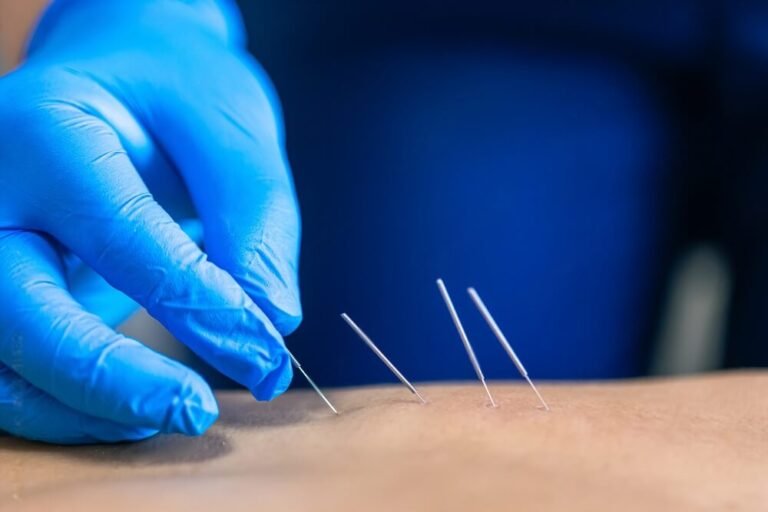
    Dry needling, also known as intramuscular stimulation (IMS), is a technique used by some healthcare practitioners to relieve pain and improve function by inserting fine needles into muscles, trigger points, or other tissues. Despite its popularity and reported benefits, dry needling is illegal or restricted in certain jurisdictions. This article explores the reasons behind these legal prohibitions and restrictions.

    What Really Dry Needling Is?

    Dry needling involves the insertion of thin, solid needles into specific areas of the body to treat muscle pain and dysfunction. The needles are typically placed into myofascial trigger points, which are hyperirritable spots in skeletal muscle that can cause pain and tenderness. The technique aims to release tension, improve blood flow, and reduce pain. Unlike acupuncture, which is rooted in traditional Chinese medicine, dry needling is based on Western anatomical and neurophysiological principles.

    States Where Dry Needling is Prohibited:

    Dry needling is prohibited or heavily restricted in several states and regions:

    • California
    • Hawaii
    • New York
    • Oregon
    • Washington

    The specific states where dry needling is illegal may vary over time as new legislation and regulations are introduced. For instance, some states in the U.S., such as California and New York, have imposed restrictions or bans on the practice of dry needling by certain healthcare professionals. These prohibitions are often due to concerns about safety, training, and the scope of practice.

    Risks of Nerve Damage in Dry Needling:

    Most significant concerns with dry needling is the risk of nerve damage. When needles are inserted into the body, there is a potential for hitting a nerve, which can cause severe pain, numbness, tingling or even more severe complications. Although such adverse effects are relatively rare, they can be serious and may lead to long-term consequences for the patient.

    The risk of nerve damage underscores the importance of proper training and expertise when performing dry needling, which is one reason why some regulatory bodies choose to prohibit the practice.

    Why is Dry Needling Illegal? 5 Major Reasons

    Dry needling is illegal in some jurisdictions due to concerns about safety, the lack of standardized training and certification, and scope of practice issues. Several factors contribute to the prohibition of dry needling in certain jurisdictions:

    #1. Lack of Standardized Training and Certification: 

    Unlike acupuncture, dry needling does not have a universally accepted training curriculum. This inconsistency can lead to practitioners with varying levels of competence, potentially resulting in harm to patients. Some regions require only minimal training before practitioners are allowed to perform dry needling, raising concerns about safety and effectiveness.

    #2. Concerns Over Safety and Efficacy:

    The scientific evidence supporting dry needling is limited and sometimes conflicting. While many practitioners and patients report positive outcomes, more rigorous studies are needed to establish the safety and efficacy of the technique conclusively. Adverse effects such as infections, pneumothorax (collapsed lung), and nerve damage have been reported, prompting regulatory bodies to restrict or ban the practice.

    #3. Scope of Practice Issues:

    Dry needling often falls into a gray area regarding the scope of practice for various healthcare professionals. In many jurisdictions, acupuncture is a regulated profession with specific licensing requirements. Dry needling, which involves similar techniques, can be seen as encroaching on the scope of practice of licensed acupuncturists, leading to legal battles and restrictions on who can perform dry needling.

    #4. Professional Turf Wars:

    The overlap between dry needling and acupuncture has led to conflicts between professionals. Licensed acupuncturists argue that dry needling is a form of acupuncture and should only be performed by those with extensive training in traditional Chinese medicine.

    Physical therapists and other practitioners argue that dry needling is a distinct technique based on Western medical principles and should be within their scope of practice. These conflicting viewpoints contribute to regulatory uncertainty and legal restrictions.

    #5. Regulatory and Legal Precedents:

    Legal and regulatory precedents also play a role in the illegality of dry needling in some areas. High-profile cases of patient harm or litigation related to dry needling can prompt regulatory bodies to impose strict regulations or bans to prevent further issues.

    Additionally, some regions may have a more conservative legal environment, making it challenging to approve new or controversial medical practices.

    Current Legal Status of Dry Needling:

    The legal status of dry needling varies widely across different jurisdictions. In some places, it is fully legal and widely practiced by trained professionals, while in others, it is subject to strict regulations or outright bans. The ongoing debate over dry needling’s safety, efficacy, and scope of practice continues to shape its legal landscape. As more research is conducted and standardized training programs are developed, the legal status of dry needling may evolve, potentially leading to broader acceptance and integration into mainstream medical practice.

    Conclusion:

    The prohibition of dry needling in certain jurisdictions is a complex issue involving concerns about training, safety, efficacy, scope of practice, professional turf wars, and legal precedents. While dry needling has shown promise as a treatment modality for various musculoskeletal conditions, its future will depend on addressing these concerns through rigorous research, standardized training programs, and clear regulatory guidelines. Until then, patients and practitioners must navigate the complex legal landscape surrounding this controversial technique.

    19 Naughty Thing to Do in Chorus Class

    0

    Chorus class is typically a time for harmony, melody and serious practice. But sometimes a little naughty thing can add some fun to the mix.

    19 Funny & Naughty Things to Do in Chorus:

    Here are 19 naughty things you could do in a chorus class, strictly for laughs:

    Lipsync:

    Lip-sync to the song with exaggerated and dramatic expressions, but don’t actually sing out loud. This can be especially funny when done with great enthusiasm and mimicked sound effects, leaving others guessing why they can’t hear your voice.

    Sing an Octave Higher (or Lower):

    During a song where everyone is supposed to sing in unison, suddenly switch to an octave higher or lower than everyone else. This unexpected shift will create a surprising effect, and you can enjoy watching your classmates’ confused reactions.

    Mispronounce Lyrics:

    Pick a few key words in the lyrics and pronounce them incorrectly or replace them with something silly. For example, instead of singing “Row, row, row your boat,” sing “Row, row, row your goat.” It adds a playful twist to the song.

    Exaggerate Vibrato:

    Use an overly dramatic vibrato on every note, making your voice waver dramatically. This operatic style can add a humorous and theatrical touch to the performance, making it hard for others to stay serious.

    Mime Along:

    Move your lips as if you’re singing, but don’t actually make any sound. This can be especially funny if you exaggerate your lip movements. Watch as your classmates try to figure out why they can’t hear your voice.

    Invent Dance Moves:

    Spontaneously choreograph a dance routine to accompany the song. The more exaggerated and unexpected the moves, the better. This can cause a delightful disruption as others try to keep up with your impromptu performance.

    Swap Parts:

    If your chorus is divided into different vocal parts (like soprano, alto, tenor, bass), swap parts with a friend in the middle of a song without telling anyone. This can create a funny and confusing situation as your voices clash.

    Echo Effect:

    Repeat everything the instructor says in a whisper, creating an eerie echo effect. This can be especially funny if you do it in sync with a few classmates, making the whole class feel like they’re in a spooky cave.

    Silly Faces:

    Make the silliest faces you can while singing. Try not to laugh as your classmates struggle to keep a straight face while watching your antics. This can lighten the mood and add a bit of fun to the practice.

    Random Solo:

    In the middle of a group song, belt out a random solo as if it was always part of the plan. This unexpected burst of solo singing can catch everyone off guard and add a humorous twist to the performance.

    Slow Motion Singing:

    Sing your part in slow motion, dragging out each word until it’s barely recognizable. This can create a funny, drawn-out version of the song and challenge your classmates to keep up with your tempo.

    Invisible Instruments:

    Pretend to play an invisible instrument that matches the mood of the song. Add sound effects with your voice to enhance the illusion. For example, air guitar, invisible drums, or a phantom piano can add a whimsical touch to the class.

    Change the Language:

    Start singing the song in a completely different language. Bonus points if it’s one you don’t actually speak, making up words as you go. This can create a hilarious and confusing version of the song.

    Opera Style:

    Turn every song into an opera performance, complete with grand gestures and dramatic expressions. Use a powerful, operatic voice to add a touch of high drama to the class, making even the simplest song feel like a grand aria.

    Beatboxing Interlude:

    Add an unexpected beatboxing segment into the middle of a classical piece. This modern twist can create a fun contrast and catch everyone off guard, blending contemporary sounds with traditional music.

    Echo Harmony:

    Sing an echo harmony slightly off-key to add a unique twist to the performance. This can create a dissonant and humorous effect, challenging your classmates to stay on key while you create a playful echo.

    Freeze Frame:

    Suddenly freeze in place mid-song and see if anyone follows suit. This can create a funny, frozen tableau and make everyone wonder what’s going on. It’s a playful way to disrupt the flow and get a laugh.

    Conduct Yourself:

    Start conducting the choir yourself with exaggerated and over-the-top movements. Pretend to be the maestro and see if anyone follows your lead. This can add a humorous layer of chaos to the rehearsal.

    Lyrical Substitutions:

    Replace all the nouns in the song with the word “banana” and try to keep a straight face while singing. For example, “Twinkle, twinkle, little star” becomes “Twinkle, twinkle, little banana.” This silly substitution can create a lot of laughs.

    Can You Smoke After a Root Canal?

    0

    It is not recommended! Smoking can significantly obstruct the healing process and increase the risk of complications, making it a detrimental choice during the recovery period. By abstaining from smoking and following your dentist’s care instructions, you can ensure a smoother, faster recovery and maintain the health of your treated tooth

    Impact of Smoking on Root Canal Healing:

    Smoking has been widely documented to have adverse effects on healing processes in the body. This is particularly true for oral surgeries and dental procedures.

    Here are some key reasons why smoking can be detrimental after a root canal:

    Reduced Blood Flow:

    Nicotine in cigarettes constricts blood vessels, which reduces blood flow to the gums and oral tissues. This diminished blood circulation can impair the delivery of essential nutrients and oxygen needed for healing.

    Increased Risk of Infection:

    Smoking can compromise the immune system, making it harder for the body to fight off infections. After a root canal, the treated area is vulnerable to bacterial infection, and smoking can exacerbate this risk.

    Delayed Healing:

    The chemicals in cigarettes can slow down the healing process. This delay can prolong discomfort and increase the chances of complications such as secondary infections or inflammation.

    Dry Socket:

    Although more commonly associated with tooth extractions, the phenomenon of dry socket—where the blood clot at the surgical site is dislodged or dissolves prematurely—can also be a concern. Smoking can increase the risk of dry socket, leading to severe pain and delayed healing.

    Recommendations for Smokers Post-Root Canal:

    Given the negative impact of smoking on the healing process, it is strongly advised that patients refrain from smoking after a root canal. Here are some specific recommendations:

    Immediate Post-Operative Period:

    Avoid smoking for at least 48 to 72 hours after the root canal procedure. This period is critical for the initial healing and formation of a protective clot or seal at the treatment site.

    Extended Abstinence:

    Ideally, patients should aim to quit smoking entirely or at least significantly reduce their smoking for several weeks post-procedure. The longer you can avoid smoking, the better your chances of a smooth and complication-free recovery.

    Nicotine Alternatives:

    If quitting smoking is particularly challenging, consider using nicotine replacement therapies (NRT) such as patches, gum or lozenges. These can help manage nicotine cravings without the harmful effects of smoking on oral healing.

    Oral Hygiene:

    Maintain impeccable oral hygiene practices to aid healing. Brush and floss gently but thoroughly, and consider using an antiseptic mouthwash to keep the area clean.

    Consult Your Dentist:

    Always follow your dentist’s specific instructions regarding post-operative care. If you have concerns about smoking or any other aspect of your recovery, don’t hesitate to reach out to your dental professional for personalized advice.

    Conclusion:

    While the urge to smoke after a root canal may be strong, especially for habitual smokers, it is crucial to prioritize your oral health and the success of the procedure.

    Can you Drive After a Root Canal? 3 Major Factors

    0

    Driving after a root canal procedure can raise concerns about safety and comfort. Explore the safety of driving post-root canal, along with tips for preventing the need for such a procedure.

    Driving After a Root Canal: Is It Safe?

    The answer to this is not that simple, it depends in some things which you need to understand first before driving after a root canal.

    Type of Anesthesia Used:

    Most root canals are performed under local anesthesia which numbs only the area around the tooth. If you receive only local anesthesia, you should be able to drive yourself home after the procedure. But if you were given sedation (such as nitrous oxide, oral sedatives, or intravenous sedation) which can impair your reflexes, judgment and coordination and making it unsafe to operate a vehicle. So, it’s better to arrange someone else to drive for you.

    Personal Comfort and Reaction:

    Individual reactions to dental procedures vary. If you feel dizzy, lightheaded or particularly uncomfortable after your root canal so it’s best not to drive until you feel better. Listen to your body and give yourself time to recover if needed.

    Medications Taken:

    If you’ve been prescribed stronger pain medications such as opioids, you should avoid driving. These medications can impair your ability to drive safely.

    How Complex a Root Canal Procedure is?

    A root canal is performed when the pulp inside a tooth becomes infected or inflamed due to deep decay, repeated dental procedures, faulty crowns, or a crack or chip in the tooth. During the procedure the infected pulp is removed and the inside of the tooth is cleaned, disinfected and then filled and sealed. Often, a crown is placed on the tooth to restore its function and appearance.

    Post-Procedure Considerations:

    After a root canal, it’s normal to experience some discomfort or mild pain once the anesthesia wears off. This is usually manageable with over-the-counter pain relievers like ibuprofen or acetaminophen. The treated tooth and surrounding area may feel tender for a few days as the tissue heals.

    Prevention Need for a Root Canal:

    Prevention is always better than cure. Here are some tips to help prevent the need for a root canal:

    Maintain Good Oral Hygiene: Brush your teeth twice a day with fluoride toothpaste, floss daily, and use an antiseptic mouthwash to reduce harmful bacteria.

    Regular Dental Check-ups: Visit your dentist regularly for check-ups and cleanings. Early detection of problems can prevent the need for more extensive procedures.

    Avoid Sugary Foods and Drinks: Limit your intake of sugary foods and beverages, which can contribute to tooth decay.

    Wear a Mouthguard: If you play sports, use a mouthguard to protect your teeth from injury.

    Address Dental Problems Promptly: If you experience tooth pain, sensitivity, or notice a cracked or chipped tooth, see your dentist as soon as possible to address the issue before it worsens.

    Consider Dental Sealants: Dental sealants are a protective coating applied to the chewing surfaces of the back teeth. They can prevent decay and the need for future dental procedures.

    Conclusion:

    Driving after a root canal is generally safe if only local anesthesia was used and you feel comfortable. However, if sedation or strong pain medications are involved, it’s best to arrange alternative transportation. Always prioritize your safety and recovery after any dental procedure. By maintaining good oral hygiene and taking preventive measures, you can reduce your risk of needing a root canal in the first place.

    Can Dehydration Cause Lower Back Pain?

    0

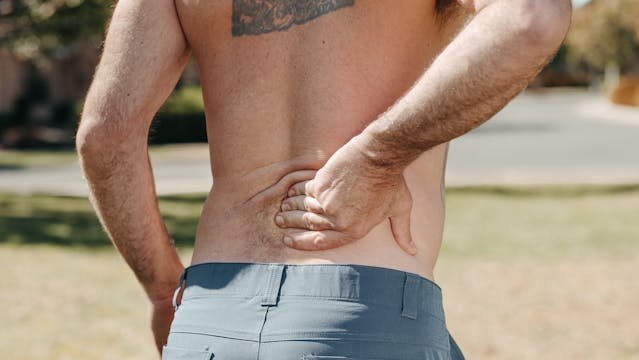
    There are numerous causes of lower back pain but the one potential and often overlooked factor is surely dehydration. Proper understanding of the relationship between hydration and back pain can provide valuable insights into preventing and managing this discomfort. 

    Lets explore the connection between dehydration and lower back pain, highlighting key mechanisms, risk factors, and prevention strategies.

    The Role of Water in the Human Body:

    Water is an essential component of the human body, accounting for about 60% of an adult’s body weight. It plays a crucial role in physiological functions, including maintaining cell structure, regulating temperature and lubricating joints. 

    Adequate hydration is vital for the proper functioning of organs and tissues, including those in the musculoskeletal system.

    How Dehydration Affects Your Back?

    The spine is a complex structure composed of bones (vertebrae), intervertebral discs, muscles, ligaments, and nerves. Intervertebral discs are particularly susceptible to changes in hydration levels. These discs are gel-like cushions that act as shock absorbers between the vertebrae, providing flexibility and support to the spine. They are composed primarily of water, which is essential for their proper function.

    When the body is dehydrated, the intervertebral discs lose water content, leading to a decrease in disc height and elasticity. This reduction in disc volume can result in increased pressure on the spinal column and surrounding tissues which causes lower back pain. 

    Mechanisms Linking Dehydration and Lower Back Pain:

    Reduced Disc Hydration:

    As mentioned earlier, dehydration reduces the water content in intervertebral discs, compromising their ability to cushion the vertebrae and absorb shocks. This can lead to increased mechanical stress on the spine and contribute to pain.

    Muscle Cramps and Spasms:

    Dehydration can cause an electrolyte imbalance, leading to muscle cramps and spasms. The muscles in the lower back are particularly vulnerable to these effects, resulting in stiffness and pain.

    Decreased Blood Flow:

    Adequate hydration is essential for maintaining proper blood circulation. Dehydration can reduce blood flow to muscles and tissues, depriving them of essential nutrients and oxygen. This can cause muscle fatigue and pain, including in the lower back region.

    Inflammation:

    Chronic dehydration can lead to increased inflammation in the body. Inflammatory responses can affect the muscles, ligaments, and nerves in the lower back, contributing to pain and discomfort.

    Risk Factors for Dehydration-Related Lower Back Pain

    Several factors can increase the risk of experiencing lower back pain due to dehydration:

    Inadequate Fluid Intake:

    Not consuming enough fluids throughout the day is the most direct cause of dehydration. Individuals who do not drink sufficient water are at higher risk.

    High-Temperature Environments:

    Working or exercising in hot environments can lead to excessive sweating and fluid loss, increasing the risk of dehydration and subsequent back pain.

    Strenuous Physical Activity:

    Intense physical activity can cause significant fluid loss through sweat. Without adequate hydration, the risk of developing muscle cramps and back pain rises.

    Age:

    Older adults are more prone to dehydration due to a diminished sense of thirst and changes in kidney function. This age group is also more susceptible to back pain.

    Medical Conditions:

    Certain medical conditions, such as diabetes and kidney disease, can affect fluid balance and increase the risk of dehydration-related complications.

    Prevention From Lower Back Pain:

    Preventing and managing lower back pain associated with dehydration involves maintaining adequate hydration and adopting a healthy lifestyle. Here are some effective strategies:

    1. Stay Hydrated: Drink plenty of water throughout the day. The recommended daily water intake varies depending on age, sex, weight, and activity level, but a general guideline is to drink at least eight 8-ounce glasses of water per day.
    2. Monitor Fluid Loss: Pay attention to signs of dehydration, such as dark urine, dry mouth, and fatigue. Increase fluid intake during hot weather, physical activity, and illness.
    3. Balanced Diet: Consume a balanced diet rich in fruits and vegetables, which have high water content and can contribute to overall hydration.
    4. Electrolyte Balance: Ensure an adequate intake of electrolytes, especially during intense physical activity. Sports drinks can help replenish electrolytes lost through sweat.
    5. Regular Exercise: Engage in regular physical activity to strengthen the muscles supporting the spine. Exercises that enhance flexibility and core strength can help prevent lower back pain.
    6. Proper Posture: Maintain good posture while sitting, standing, and lifting objects. Proper ergonomics can reduce strain on the lower back and prevent pain.
    7. Medical Consultation: If you experience persistent lower back pain, consult a healthcare professional. They can assess your condition, provide appropriate treatment, and offer guidance on hydration and back pain management.

    Conclusion:

    Dehydration is a potential contributor to lower back pain that is often overlooked. By understanding the mechanisms linking dehydration to spinal health, individuals can take proactive steps to maintain proper hydration and reduce the risk of back pain. Incorporating adequate fluid intake, a balanced diet, regular exercise, and good posture into daily routines can significantly improve overall well-being and spinal health.

    Can Urgent Care Give Cortisone Shots?

    0

    Cortisone shots, also known as corticosteroid injections, are commonly used to treat inflammation and pain associated with various medical conditions, including arthritis, tendinitis, and bursitis. Many patients wonder if they can receive cortisone shots at an urgent care center rather than waiting for an appointment with their primary care physician or a specialist.

    What are Cortisone Shots?

    Cortisone shots are injections that contain corticosteroids, powerful anti-inflammatory medications. They are used to provide relief from inflammation and pain in specific areas of the body, such as joints, muscles and tendons. The corticosteroid is usually combined with a local anesthetic to provide immediate pain relief in addition to reducing inflammation over the following days or weeks.

    Do Urgent Care Give Cortisone Shots?

    Yes, Many urgent care centers can administer cortisone shots but the availability and scope of this service can vary depending on the facility. Here are some key points to consider:

    Scope of Services:

    Not all urgent care centers offer cortisone shots, as their primary focus is on providing immediate care for acute illnesses and injuries. It’s advisable to call ahead and confirm whether a specific urgent care center offers this service.

    Qualified Providers:

    If an urgent care center does provide cortisone shots, they will have qualified healthcare providers, such as physicians, nurse practitioners, or physician assistants, who are trained in administering these injections safely and effectively.

    Medical Assessment:

    Before administering a cortisone shot, the healthcare provider will perform a thorough medical assessment to determine if the injection is appropriate for your condition. This may include a physical examination and a review of your medical history.

    Conditions Treated with Cortisone Shots

    Cortisone shots are used to treat a variety of conditions characterized by inflammation and pain, including:

    Arthritis:

    Osteoarthritis and rheumatoid arthritis can cause joint pain and inflammation, which cortisone shots can help alleviate.

    Tendinitis:

    Inflammation of the tendons, such as tennis elbow or Achilles tendinitis, can be treated with cortisone injections.

    Bursitis:

    Inflammation of the bursae, the small sacs of fluid that cushion the joints, can be relieved with cortisone shots.

    Joint Pain:

    Pain in joints such as the knee, shoulder, hip, or wrist due to various causes can benefit from cortisone injections.

    Back Pain:

    Certain types of back pain, particularly those involving inflammation, can be treated with cortisone shots.

    Allergic Reactions:

    Severe allergic reactions that cause significant inflammation may also be treated with corticosteroid injections.

    Benefits of Cortisone Shots:

    Cortisone shots offer several benefits, including:

    1. Rapid Relief: They can provide quick relief from pain and inflammation, often within a few days.
    2. Localized Treatment: The medication is delivered directly to the affected area, providing targeted relief.
    3. Non-Surgical Option: Cortisone shots are a minimally invasive alternative to surgery for managing pain and inflammation.
    4. Reduction in Symptoms: They can significantly reduce symptoms and improve quality of life for patients with chronic inflammatory conditions.

    Risks and Side Effects of Cortisone Shots:

    While cortisone shots are generally safe, there are potential risks and side effects to consider:

    1. Infection: There is a small risk of infection at the injection site.
    2. Pain and Swelling: Some patients may experience increased pain and swelling immediately after the injection, known as a cortisone flare.
    3. Skin Changes: Cortisone shots can cause thinning of the skin or changes in skin color at the injection site.
    4. Tendon Weakening: Repeated injections can weaken tendons, increasing the risk of rupture.
    5. Systemic Effects: In rare cases, the corticosteroid can enter the bloodstream and cause systemic side effects such as elevated blood sugar levels.

    What to Expect During an Urgent Care Visit for a Cortisone Shot:

    If you visit an urgent care center for a cortisone shot, here’s what you can typically expect:

    1. Medical History and Examination: The healthcare provider will review your medical history and perform a physical examination to ensure that a cortisone shot is appropriate for your condition.
    2. Informed Consent: You will be informed about the benefits, risks, and potential side effects of the cortisone shot. You may be asked to sign a consent form.
    3. Preparation: The injection site will be cleaned and sterilized. A local anesthetic may be used to numb the area.
    4. Injection: The provider will carefully administer the cortisone shot into the affected area. You may feel some pressure or discomfort during the injection.
    5. Post-Injection Care: You will receive instructions on how to care for the injection site and manage any potential side effects. You may be advised to rest the affected area for a short period.

    Conclusion:

    Urgent care centers can be a convenient option for receiving cortisone shots, providing quick relief from pain and inflammation. However, it’s important to verify that the specific urgent care facility you plan to visit offers this service. Cortisone shots are effective for treating a variety of conditions, but they come with potential risks and side effects.

    Can Urgent Care Prescribe Anti-Anxiety Medication?

    0

    Lets explore whether urgent care facilities can prescribe anti-anxiety medications, what to expect during such a visit and alternative options for managing anxiety.

    Anxiety is a common and often debilitating condition that affects millions of people worldwide. When anxiety strikes, especially in severe cases, individuals may seek immediate relief and wonder if an urgent care center can provide the necessary medication.

    Understanding Urgent Care Centers:

    Urgent care centers are medical facilities designed to provide prompt treatment for non-life-threatening conditions that require immediate attention. They serve as an intermediary between primary care providers and emergency rooms, offering a convenient and accessible option for patients with acute medical issues. Urgent care centers are typically staffed by physicians, nurse practitioners, and physician assistants who can diagnose and treat a wide range of conditions.

    Do Urgent Care Prescribe Anti-Anxiety Medication?

    Yes, urgent care centers can prescribe anti-anxiety medications, but there are some important considerations to keep in mind:

    Assessment and Diagnosis: 

    During an urgent care visit, a healthcare provider will assess your symptoms, medical history, and current medications. They will perform a thorough evaluation to determine the severity of your anxiety and rule out any underlying medical conditions that might require different treatment.

    Short-Term Relief:

    Urgent care providers may prescribe anti-anxiety medications for short-term relief. This is particularly common for acute anxiety attacks or panic attacks where immediate intervention is necessary. Medications like benzodiazepines (e.g., lorazepam, diazepam) are often used in these situations due to their rapid onset of action.

    Referral for Long-Term Management:

    While urgent care can address immediate needs, long-term management of anxiety typically requires a comprehensive treatment plan. This may include ongoing medication, therapy, lifestyle changes, and regular follow-up appointments. Urgent care providers often refer patients to primary care physicians or mental health specialists for continued care.

    Controlled Substances:

    Many anti-anxiety medications, especially benzodiazepines, are controlled substances due to their potential for abuse and dependence. Urgent care providers may be cautious in prescribing these medications and may limit the quantity or duration of the prescription. They may also avoid prescribing them altogether if they suspect a history of substance abuse.

    What to Expect During an Urgent Care Visit for Anxiety?

    If you visit an urgent care center for anxiety, here’s what you can typically expect:

    #1. Initial Evaluation:

    You will be asked to provide a detailed account of your symptoms, medical history, and any medications you are currently taking. Be prepared to discuss the nature of your anxiety, including any triggers, frequency, and duration of symptoms.

    #2. Physical Examination:

    The healthcare provider may conduct a physical examination to rule out any medical conditions that could be contributing to your anxiety.

    #3. Mental Health Assessment:

    You may undergo a brief mental health assessment, which can include standardized questionnaires to evaluate the severity of your anxiety and any co-occurring mental health issues.

    #4. Treatment Plan:

    Based on the evaluation, the provider will recommend a treatment plan. This may include prescribing anti-anxiety medication for short-term relief, providing lifestyle recommendations, and referring you to a specialist for further evaluation and treatment.

    #5. Follow-Up:

    If medication is prescribed, the provider may schedule a follow-up appointment or recommend that you see your primary care physician or a mental health specialist for ongoing management.

    Alternative Options for Managing Anxiety:

    While urgent care can provide immediate relief, it is important to consider long-term strategies for managing anxiety:

    • Primary Care Provider: Your primary care physician can help develop a comprehensive treatment plan for managing anxiety, which may include medication, therapy, and lifestyle changes.
    • Mental Health Specialists: Psychiatrists, psychologists, and licensed therapists are trained to diagnose and treat anxiety disorders. They can offer a range of treatments, including cognitive-behavioral therapy (CBT), medication management, and other therapeutic approaches.
    • Support Groups: Joining a support group can provide a sense of community and shared understanding, which can be beneficial for managing anxiety.
    • Lifestyle Changes: Regular exercise, a healthy diet, adequate sleep, and mindfulness practices such as meditation and yoga can help reduce anxiety symptoms.

    Conclusion:

    Urgent care centers can prescribe anti-anxiety medications for immediate relief, but they are not a substitute for long-term anxiety management. If you are experiencing severe or chronic anxiety, it is important to seek ongoing care from a primary care physician or mental health specialist. By working with healthcare professionals, you can develop a comprehensive treatment plan that addresses both the immediate and long-term aspects of managing anxiety.

    9 Famous Celebrities with Turner Syndrome

    0

    Turner syndrome is getting very much hype in this serious health issue specially when it gets to celebrities. Many celebrities are opening about this disease and telling their stories, We know you are curious to know that who are those celebrities, that list is given below.

    What is Turner Syndrome?

    turner-syndrome-infography

    Turner Syndrome is a chromosomal condition that affects approximately 1 in every 2,500 live female births worldwide. Dr. Henry Turner, First described this condition in 1938, Turner Syndrome (TS) results from the complete or partial absence of one of the X chromosomes.

    Turner Syndrome occurs when a female (who typically has two X chromosomes) is missing all or part of one X chromosome.

    Famous Celebrities with Turner Syndrome:

    Lets get to know that who are those famous celebrities and athletes that are suffering or suffered from this Turner Syndrome.

    #1. Linda Hunt:

    An Academy Award-winning actress known for her roles in “The Year of Living Dangerously” and “NCIS: Los Angeles” Her talent and perseverance have made her a celebrated figure in Hollywood.

    #2. Missy Marlowe:

    A former American gymnast who competed in the 1988 Seoul Olympics. Marlowe’s determination and athletic prowess have made her an inspirational figure in sports.

    #3. Dr. Catherine Ward Melver:

    A prominent geneticist who has made significant contributions to the field of genetics and Turner Syndrome research. Her work has helped to advance our understanding of the condition.

    #4. Melissa Anne Gardner:

    An inspirational speaker and advocate who raises awareness about Turner Syndrome through public speaking and community engagement.

    #5. Jeanette Cranky (Janette Tough):

    A Scottish comedian and actress, known for her role in “The Krankies” Her work in entertainment has brought joy to many, demonstrating that Turner Syndrome does not define one’s potential.

    #6. Nadezhda Andreyeva:

    A Russian gymnast and World Champion, Andreyeva has shown that excellence in sports is achievable regardless of genetic conditions.

    #7. Cynthia Murphy:

    A Turner Syndrome advocate and motivational speaker, Murphy uses her platform to educate others about the condition and promote acceptance and understanding.

    #8. Bonnie Bryg:

    An actress and public speaker, Bryg has used her visibility to spread awareness about Turner Syndrome and advocate for better medical and educational support.

    #9. Susan E. Hinton:

    Renowned author of “The Outsiders,” is speculated to have Turner Syndrome. Her literary success has inspired many, showing that creative talents can flourish despite medical challenges.

    Spreading Awareness & Acceptance About Turner Syndrome:

    Creating awareness is vital for fostering a supportive and inclusive society. Understanding the condition helps to eliminate misconceptions and stigma. Here are some ways to spread awareness:

    Educational campaigns: Schools and workplaces can host informational sessions to educate people about Turner Syndrome.

    Support groups: Connecting individuals with Turner Syndrome and their families to share experiences and provide mutual support.

    Social media: Leveraging platforms to share personal stories and factual information about Turner Syndrome.

    Fundraising: Organizing events to support research and provide resources for those affected by the condition.

    By increasing awareness and understanding, we can help ensure that individuals with Turner Syndrome receive the support and respect they deserve.

    Conclusion:

    Turner Syndrome presents unique challenges, but with early intervention, appropriate medical care, and societal support, individuals with the condition can lead fulfilling lives. Celebrating the achievements of those with Turner Syndrome not only provides inspiration but also helps to build a more inclusive and understanding world.

    Where to Stay in Tokyo for the First Time: Top 6 Places

    0

    Choosing the right area to stay in Tokyo can greatly enhance your experience, allowing you to explore the city’s diverse neighborhoods and attractions with ease and more it can be overwhelming for first-time visitors. Here’s a detailed guide to help you decide the best neighborhoods to stay in Tokyo based on different preferences.

    #1. Shinjuku: The Heart of Tokyo’s Nightlife and Shopping

    Why Stay Here:

    • Vibrant Nightlife: Shinjuku is home to Kabukicho, Tokyo’s most famous red-light district, bustling with bars, clubs, and entertainment options.
    • Shopping: Numerous department stores, electronic shops, and boutiques.
    • Accessibility: Major transportation hub with Shinjuku Station being one of the busiest in the world.

    Highlights:

    • Shinjuku Gyoen: A large, serene park perfect for a relaxing stroll.
    • Golden Gai: Narrow alleys with tiny, unique bars.
    • Omoide Yokocho: Traditional alleyway with numerous small eateries.

    Recommended Hotels:

    #2. Shibuya: The Trendy and Youthful Hub

    Why Stay Here:

    • Youth Culture: Center of Tokyo’s fashion and youth culture.
    • Iconic Attractions: Shibuya Crossing, Hachiko Statue, and numerous shopping and dining options.
    • Nightlife: Vibrant and diverse nightlife scene.

    Highlights:

    • Shibuya Crossing: One of the world’s busiest pedestrian crossings.
    • Center Gai: Lively street filled with shops, restaurants, and arcades.
    • Yoyogi Park: Nearby large park, great for picnics and relaxing.

    Recommended Hotels:

    • Shibuya Excel Hotel Tokyu: Offers panoramic views of Shibuya Crossing.
    • Cerulean Tower Tokyu Hotel: Luxurious accommodations with excellent dining options.

    #3. Asakusa: For a Taste of Traditional Tokyo

    Why Stay Here:

    • Historic Charm: Home to Senso-ji, Tokyo’s oldest and most significant temple.
    • Cultural Experience: Traditional shops, ryokan (Japanese inns), and street food.
    • Riverside Views: Scenic views of the Sumida River and Tokyo Skytree.

    Highlights:

    • Senso-ji Temple: A beautiful and historic Buddhist temple.
    • Nakamise Shopping Street: Traditional shopping street leading up to the temple.
    • Sumida Park: Great for cherry blossom viewing in spring.

    Recommended Hotels:

    • Asakusa View Hotel: Offers great views of Senso-ji and Tokyo Skytree.
    • The Gate Hotel Asakusa Kaminarimon: Modern amenities with a traditional touch.

    #4. Ginza: Luxury Shopping and Fine Dining

    Why Stay Here:

    • High-End Shopping: Tokyo’s upscale shopping district with designer boutiques and department stores.
    • Gourmet Dining: Numerous Michelin-starred restaurants and high-end dining options.
    • Theatre and Arts: Home to Kabuki-za Theatre and several art galleries.

    Highlights:

    • Ginza Six: A luxury shopping complex with a rooftop garden.
    • Kabuki-za Theatre: Traditional kabuki performances.
    • Chuo Dori: Main shopping street, closed to traffic on weekends.

    Recommended Hotels:

    • The Peninsula Tokyo: Luxurious hotel with impeccable service.
    • Mitsui Garden Hotel Ginza Premier: Offers stylish rooms and city views.

    #5. Roppongi: Cosmopolitan and Expat-Friendly

    Why Stay Here:

    • Nightlife: Famous for its vibrant nightlife and international atmosphere.
    • Art and Culture: Home to Roppongi Hills, Mori Art Museum, and Tokyo Midtown.
    • Dining: Wide variety of international restaurants and bars.

    Highlights:

    • Roppongi Hills: A city within a city with shopping, dining, and entertainment.
    • Mori Art Museum: Contemporary art museum with panoramic city views.
    • Tokyo Midtown: Complex with shops, restaurants, and the Suntory Museum of Art.

    Recommended Hotels:

    • Grand Hyatt Tokyo: Luxurious hotel with extensive amenities.
    • The Ritz-Carlton Tokyo: Offers stunning views and top-notch service.

    #6. Akihabara: For the Anime and Tech Enthusiast

    Why Stay Here:

    • Electronics: Renowned for its vast selection of electronic goods and gadgets.
    • Otaku Culture: A haven for anime, manga, and gaming enthusiasts.
    • Unique Experiences: Maid cafes, themed cafes, and retro gaming arcades.

    Highlights:

    • Yodobashi Camera: Massive electronics store.
    • Akihabara Radio Kaikan: Multi-story shopping complex for anime and hobby items.
    • Mandarake Complex: Mecca for manga and anime lovers.

    Recommended Hotels:

    • Akihabara Washington Hotel: Convenient location with comfortable accommodations.
    • Hotel Dormy Inn Akihabara: Offers a traditional Japanese hot spring experience.

    Tips for First-Time Visitors To Tokyo:

    Transportation: Tokyo’s public transportation system is extensive and efficient. Consider getting a JR Pass if you plan on traveling extensively.

    Language: English is widely understood in tourist areas, but learning a few basic Japanese phrases can be helpful.

    Etiquette: Be mindful of local customs, such as quietness on public transport and removing shoes before entering homes or certain establishments.