Tuesday, June 9, 2026
More
    Home Blog Page 21

    Why Should Choose Hand-Tied Weft Hair Extensions?

    0

    When it comes to hairstyles, there are a lot of options available today. But one method that has gained significant popularity is hand-tied weft hair extensions. These extensions offer a range of benefits that set them apart from other types of extensions, providing a seamless and natural-looking result.

    Hand tied extensions are an excellent choice because they’re versatile, comfortable to wear and customizable. Let’s take a look at why hand-tied weft hair extensions are for you:

    What are Hand-Tied Weft Hair Extensions?

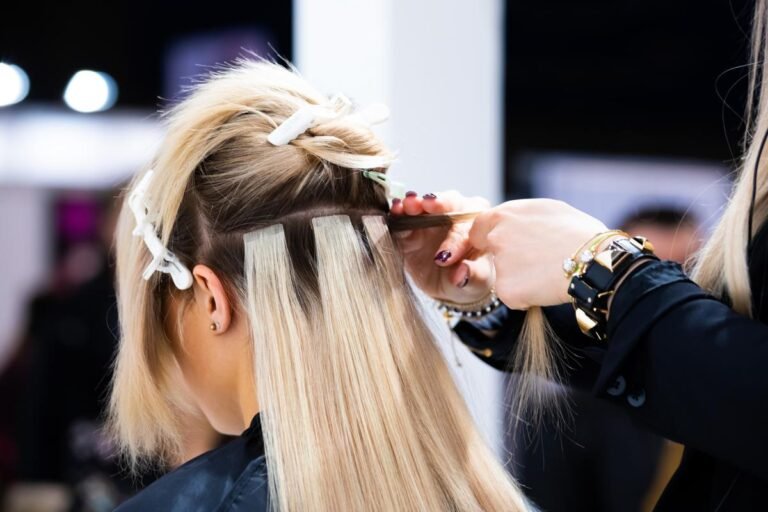
    Hand-tied weft hair extensions are a type of hair extension that is meticulously crafted by hand to create a thin, flexible weft. Unlike machine-tied wefts, which are created using a sewing machine, hand-tied extensions are made by skilled professionals who tie each strand of hair onto a strong, breathable thread. This intricate hand-tying process ensures a more natural appearance and better integration with your own hair.
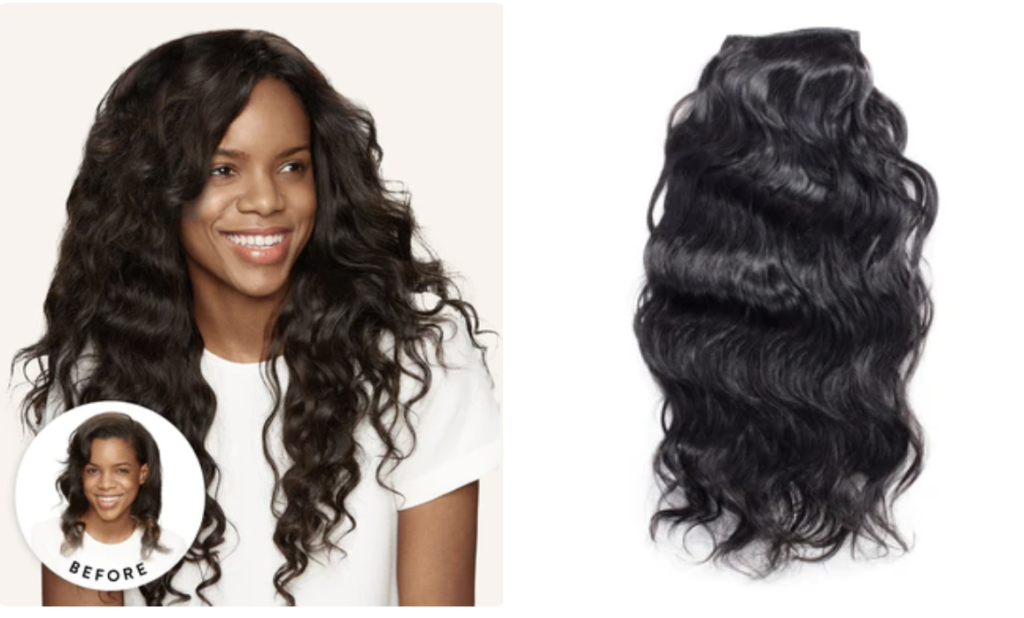
    The weft itself is created by stacking the hair strands on top of each other and securing them with double knots. This results in a thin, lightweight weft that lies flat against the scalp, creating a seamless and discreet look. Hand-tied weft extensions are typically made from high-quality human hair, providing a soft, silky texture that blends seamlessly with your natural hair.

    Comparison to Other Types of Hair Extensions

    In comparison to machine-tied weft extensions, hand-tied weft hair extensions offer several advantages.

    1. Firstly, the hand-tying process results in a thinner weft that lies flatter against the scalp, creating a more natural and seamless appearance. Machine-tied wefts, on the other hand, tend to be bulkier and more noticeable.
    1. Another key distinction is the flexibility and movement of hand-tied weft extensions. The hand-tying technique allows for a more flexible weft, making it easier to achieve a wider range of hairstyles.

    This versatility is beneficial for those who enjoy experimenting with different looks and styles. In contrast, machine-tied weft extensions can be less pliable and may limit styling options.

    1. Hand-tied weft extensions offer greater longevity compared to tape-in and clip-in extensions. Tape-in extensions require regular maintenance and may need to be repositioned or replaced every few weeks.

    Clip-in extensions need to be removed daily and may not be suitable for long-term wear. Hand-tied weft extensions, however, can last for several months with proper care and maintenance, making them a more durable and cost-effective option.

    Customization and Versatility

    Hand-tied weft hair extensions are highly customizable, allowing you to achieve a personalized look that seamlessly blends with your natural hair. Here are the customization and versatility offered by hand-tied weft extensions:

    • Customizable length, color, and texture – Hand-tied weft extensions come in various lengths, allowing you to choose the desired amount of added length. Whether you prefer a subtle lengthening effect or dramatic long locks, hand-tied weft extensions can be tailored to your preferences.
    • Accommodation for different hair types and styles – Hand-tied weft extensions are suitable for different hair types, including straight, wavy, and curly hair. They can be customized to match the texture of your natural hair, allowing for a seamless blend.
    • Versatile styling options – Hand-tied weft extensions offer a wide range of styling possibilities. You can wear your hair up in a ponytail or bun without worrying about the extensions being visible. The thin, weft, and discreet attachment points allow for seamless blending and natural movement, enabling you to experiment with different updos and hairstyles.

    Who Should Choose Hand-Tied Weft Hair Extensions?

    Hand-tied weft hair extensions are an excellent choice for people seeking a seamless and natural-looking hair transformation. Hand-tied weft hair extensions are perfect if:

    • You are looking for a natural and seamless appearance – If you desire hair extensions that blend seamlessly with your natural hair, hand-tied weft extensions are an ideal option. The thin weft and meticulous hand-tying process create a more natural and discreet result.
    • You want comfortable and lightweight extensions – Hand-tied weft extensions are known for their lightweight construction, making them comfortable to wear. The thin weft lies flat against the scalp and allows for easier movement, providing a more natural and comfortable experience.
    • You prefer versatility in styling options – Hand-tied weft extensions offer versatility when it comes to styling. The flexibility of the weft allows for a wider range of hairstyles, whether you prefer sleek and straight looks, loose waves, or voluminous curls.
    • You value durability and longevity – Hand-tied weft extensions are known for their durability and longevity. The meticulous hand-tying technique creates a sturdy weft that can withstand regular washing, styling, and everyday activities.
    • You want different hairstyles – Hand-tied weft extensions are versatile and can be customized to accommodate various hair types and styles. Whether you have straight, wavy, or curly hair, hand-tied weft extensions can be tailored to match the texture of your natural hair, ensuring a seamless blend.

    Takeaway

    Hand-tied weft hair extensions offer a multitude of compelling reasons why they should be your top choice for hair extensions. Their natural and seamless appearance, combined with their lightweight and comfortable wear, make them an excellent option for those seeking a flawless and natural-looking hair transformation.

    In addition, the customization options available, including length, color, and texture, ensure that hand-tied weft extensions can be tailored to match your unique preferences and blend seamlessly with your natural hair.

    To ensure the best results, it is recommended to consult with a professional stylist who specializes in hand-tied weft extensions. They can guide you through the selection process and ensure a seamless and expert application.


    4 Steps For A Happy Retirement

    0

    Eventually, you may want to step back from employment to enjoy the fruits of your labor. However, a happy retirement is more than just financial planning. It also involves adopting healthy practices to ensure you’re in good shape when the time comes. Otherwise, without proper planning, you may end up working even in your old age and relying on various medications.

    Planning for a happy retirement is crucial. It requires careful consideration of your needs, including your retirement goals, financial capabilities, and healthcare requirements. There are various ways to handle this, such as investing in multiple retirement plans and living in a luxurious retirement community.

    These communities are convenient for pursuing hobbies and staying active even in your later years. Key people in these communities like Curt Olson answers most of the questions people have before joining a retirement community, so you may consider browsing to find answers to some of your own questions.

    This guide provides tips and steps to help you flourish and maintain the same lifestyle even as you grow older. Of course, you may need to make a few adjustments as some of your interests and activities may change. Here are four steps to consider for a happy retirement:

    #1. Know When To Retire

    Determining when to retire is the first step toward a happy retirement. Research shows that most people in the U.S., Germany, and Spain retire between 65 and 67 years, as they become eligible for a pension around that age. However, this doesn’t have to be your retirement age. Depending on how you plan your finances and needs, you can retire earlier or later.

    Knowing when to retire is crucial, as it lays the groundwork for an effective strategy that caters to all your needs. It influences your savings plan, including the type of investments to make, the amount to save, and how to allocate your funds. Essentially, your portfolio can endure a higher risk level if you have a long way to go until retirement. For instance, if you have 25-30 years until retirement, you can allocate most of your assets to riskier investments.

    #2. Determine Your Retirement Needs

    Your retirement needs will impact the quality of life during your golden years. Therefore, it’s important to assess and determine your needs as early as possible. This will help you choose the amount to save and make informed investment decisions.

    Consider the following factors when assessing your needs:

    • Retirement Expenses: Start by determining your retirement expenditures. Evaluate your current needs and analyze how they may change in the future. For instance, if you have a child in college, tuition fees won’t be an expense later on. On the other hand, you may still be paying off a mortgage. Additionally, some expenses may decrease while others increase. For example, medical expenses may increase if you’re diagnosed with a chronic condition, while commuting costs may decrease if you don’t need to travel as much.
    • Income: Analyze the sources of income you plan to have during retirement. This will help you prepare for your needs and figure out how to cover them. Potential income sources include social security benefits, pensions, and investment income. Understanding your income will guide you in managing your budget effectively. Remember, living within your means is crucial for a happy retirement.

    Consider your expenses and the income you’ll generate in retirement when determining your needs and the kind of lifestyle you want to lead. Also, take into account factors such as inflation and the duration of your retirement, as they may seem insignificant but can have a significant impact on your later years.

    #3. Develop A Savings Plan

    Developing a savings plan becomes easier once you determine your retirement age and needs. Create a sound strategy that allows you to save enough money and generate sufficient income to meet your future needs. Some investment options to consider for your retirement plans include:

    • IRA Accounts: Individual retirement accounts (IRAs) are among the best investment options. They offer tax advantages and are self-funded, meaning you are responsible for your savings. The best part is that there are many options to choose from, including Roth, Traditional, SEP, spousal, and non-deductible IRAs. Select the one that aligns with your retirement goals and needs.
    • Solo 401(k): Individual 401(k) or solo 401(k) plans are designed for self-employed individuals without staff members. It’s important to note that contributing to a solo 401(k) is not allowed if you have a full-time team, but if your spouse is the only team player, you can still consider this plan. Solo 401(k) plans offer several advantages, including no income and age restrictions, a reasonable contribution limit, and tax benefits as your contributions are made before taxes, reducing your taxable income.
    • Traditional Taxable Investment Account: A brokerage account allows you to save for retirement by building an asset portfolio. It can include mutual funds, bonds, and stocks. The main advantage is that you have the freedom to choose the asset types that best suit your preferences.

    These are just a few options you can consider; real estate is another possibility. However, it’s important to create a retirement budget first. You can also consult a financial advisor to help you determine the amount you need to save.

    #4. Maintain A Healthy Lifestyle

    As mentioned earlier, a happy retirement involves more than just financial planning. The lifestyle you lead now will greatly influence how you live in the future. For example, if you have an unhealthy diet, consume junk food, and don’t exercise regularly during your younger years, you may develop medical conditions that can diminish your quality of life later on.

    To mitigate this, consider adopting healthy routines. Regular exercise, proper nutrition, adequate sleep, and regular checkups are excellent for maintaining a healthy mind and body, ensuring balance and stability even as you age.

    A healthy lifestyle also includes staying engaged and connected. It’s beneficial to remain active and pursue hobbies or work during your retirement. For instance, if you’re passionate about art, you can explore art and craft activities. Remember, this is the time to relax, and you can do what you love, whether or not it generates income.

    Additionally, consider joining senior programs and living in retirement homes. These provide convenient ways to stay social, connected, and engaged in society. Your retirement years should be golden, and you’ll want to make the most of them. Retirement homes offer numerous amenities, take care of home maintenance needs, and ensure safety. Most responsibilities are taken care of, allowing you to focus on doing what you love.

    Conclusion

    A happy retirement requires careful planning and healthy habits starting from a younger age. It goes beyond having enough financial resources to support your future; it also involves maintaining good health and engagement. Therefore, it’s important to practice a healthy lifestyle and organize your finances properly. By following the steps discussed in this guide, you can navigate through retirement easily and enjoy your golden years to the fullest.

    Clopidogrel | Mechanism of Action and Use

    0

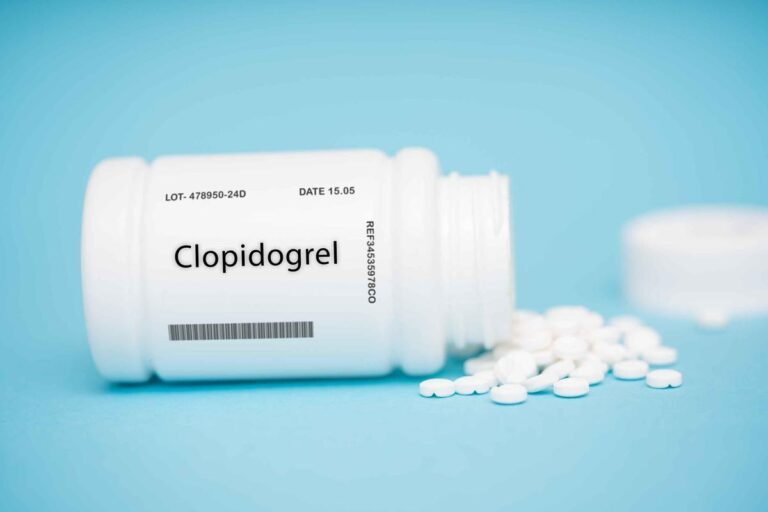
    Antiplatelet medications are essential for patients at risk of cardiovascular diseases like heart attacks and strokes. One such medication, clopidogrel, has been widely used in recent years.

    This article discusses the mechanism of action and use of clopidogrel, comparing it with other antiplatelet agents. It also explores its side effects and safety concerns, drug interactions and contraindications and looks into advancements and alternatives in antiplatelet therapy.

    Clopidogrel: Mechanism of Action and Use

    Clopidogrel, sold under the brand name Plavix, is an oral antiplatelet drug that works by inhibiting platelet aggregation. It achieves this by irreversibly blocking the P2Y12 receptor on the surface of platelets, which plays a crucial role in blood clotting. As a result, the platelets are less likely to bind together and form blood clots, reducing the risk of cardiovascular diseases.

    Clopidogrel is commonly used to prevent heart attacks, stroke, and other complications in patients with a history of:

    • Recent myocardial infarction (heart attack)
    • Recent ischemic stroke
    • Established peripheral artery disease

    To ensure affordability and access to Clopidogrel, patients may use a Clopidogrel coupon.

    Comparing Clopidogrel with Other Antiplatelet Agents

    Clopidogrel is not the only antiplatelet medication on the market. Two other commonly prescribed antiplatelet drugs are aspirin and ticagrelor. Aspirin, one of the most well-known and widely used drugs worldwide, is also an effective antiplatelet agent. It works by inhibiting an enzyme called cyclooxygenase (COX), which is responsible for producing prostaglandins and thromboxanes. These substances contribute to the development of blood clots.

    Ticagrelor is another antiplatelet drug, and like clopidogrel, it works by blocking the P2Y12 receptor. However, ticagrelor has a faster onset of action and reversibility than clopidogrel, making it advantageous in certain clinical situations.

    Although all three of these drugs can effectively reduce the risk of cardiovascular events, the choice of which medication to prescribe depends on several factors, such as patient history, potential side effects, and drug interactions.

    Side Effects and Safety Concerns of Clopidogrel

    As with any medication, clopidogrel has potential side effects and safety concerns. Common side effects may include:

    • Bleeding
    • Bruising
    • Gastrointestinal symptoms, like abdominal pain and diarrhea

    One of the primary concerns with clopidogrel use is the increased risk of bleeding. As it reduces the blood’s ability to clot, patients taking clopidogrel may experience an increased risk of bleeding, both internally and externally. The risk of bleeding can be even higher when clopidogrel is combined with other blood-thinning medications, such as aspirin.

    Another concern is the potential for individual differences in response to clopidogrel. Some patients may have a genetic variation that affects the drug’s metabolism, making them less responsive to its effects and potentially requiring an alternative medication.

    Drug Interactions and Contraindications with Clopidogrel

    When using clopidogrel, it’s important to be aware of potential drug interactions and contraindications. Certain drugs, particularly acid-reducing medications like proton pump inhibitors (PPIs), may interfere with the activation and effectiveness of clopidogrel. Therefore, caregivers should ensure these patients use a compatible PPI or consider alternative treatments to avoid these interactions.

    Contraindications for clopidogrel use include:

    • Active bleeding
    • Severe liver disease
    • Hypersensitivity or allergic reaction to clopidogrel

    Sometimes, an alternative antiplatelet medication may be more appropriate or safer, depending on the patient’s circumstances.

    Advancements and Alternatives in Antiplatelet Therapy

    As more is learned about the complex process of platelet aggregation, ongoing research has led to the development of new medications and treatment options for patients at risk of cardiovascular diseases. One such example is prasugrel, an oral antiplatelet drug inhibiting the P2Y12 receptor. Prasugrel has been shown to be more effective than clopidogrel in certain situations, particularly for patients with acute coronary syndromes undergoing percutaneous coronary intervention.

    In addition to these newer medications, ongoing research is focused on novel targets for antiplatelet therapy, looking for more effective and safer options for patients with a high risk of cardiovascular events.

    Conclusion

    Clopidogrel plays a vital role in managing patients at risk of cardiovascular diseases. However, with the availability of other antiplatelet drugs and ongoing advancements in the understanding of platelet function, it’s important to carefully consider each patient’s needs and potential drug interactions when prescribing antiplatelet therapy.

    Does Invisalign Hurt | How To Deal With This pain?

    0

    Invisalign has revolutionized the field of orthodontics by providing a discreet and comfortable alternative to traditional metal braces. With its clear aligners, Invisalign offers a more aesthetically pleasing solution for teeth straightening. One common concern among individuals considering Invisalign treatment is whether it causes pain or discomfort.

    In this article, we will explore the subject in detail and provide insights into the potential discomfort associated with Invisalign and answer the question that do Invisalign hurt?

    Does Invisalign Hurt?

    Invisalign treatment generally causes minimal discomfort or pain, but it is important to note that each individual’s experience may vary. While some people may not experience any discomfort at all, others may encounter mild soreness or pressure during certain stages of the treatment.

    Potential Discomfort Associated with Invisalign

    Here are a Few Factors that can influence the level of discomfort associated with Invisalign:

    Understanding Invisalign:

    Invisalign is a teeth straightening system that utilizes a series of custom-made clear aligners. These aligners are made of smooth, BPA-free plastic and are designed to gradually shift your teeth into their desired position. The aligners are replaced every one to two weeks, allowing for progressive adjustments throughout the treatment period. This dentist who does oral surgery in Marlborough also adds that Invisalign treatment usually lasts between 12 to 18 months.

    Initial Discomfort:

    During the initial days of wearing each new set of aligners, some patients may experience mild discomfort or pressure. This discomfort is normal and typically subsides within a few days as your teeth adapt to the new aligners. This sensation is often described as a feeling of tightness or pressure, which is an indication that the aligners are actively moving your teeth.

    Speech Impediments:

    One temporary side effect of wearing Invisalign aligners is a slight change in speech patterns. It may take a short period of time for your tongue to adjust to the presence of the aligners, leading to minor speech impediments such as a slight lisp. However, with practice and continued use, most individuals quickly adapt, and any speech impediments diminish.

    Orthodontic Adjustments:

    Invisalign aligners are designed to exert controlled force on your teeth to gradually move them into proper alignment. This controlled pressure can cause mild soreness or discomfort, especially in the initial stages of each new aligner set. However, it is essential to note that the discomfort associated with Invisalign is typically less intense than that experienced with traditional braces.

    How to Manage Pain and Discomfort?

    Your dentist or orthodontist can provide guidance on managing any discomfort or soreness that you may encounter during your Invisalign treatment. They may recommend over-the-counter pain relievers, oral numbing gels, or cold compresses to alleviate any temporary discomfort. Additionally, maintaining good oral hygiene practices, such as regular brushing and flossing, can help minimize any potential discomfort caused by the aligners rubbing against your gums or teeth.

    Fortunately, there are several ways to manage any discomfort or soreness that may arise during Invisalign treatment:

    Over-the-counter pain relievers: Non-prescription pain relievers such as acetaminophen or ibuprofen can help alleviate any temporary discomfort. It is important to follow the recommended dosage and consult with your dentist or orthodontist if you have any concerns.

    Chewing on a cold compress: Placing a cold compress or ice pack on the outside of your mouth can help numb the area and reduce any inflammation or soreness.

    Oral numbing gels: Topical oral gels can provide temporary relief by numbing the gums and reducing discomfort. Consult your dentist for suitable options.

    Oral hygiene practices: Maintaining good oral hygiene by brushing and flossing regularly can minimize any potential discomfort caused by aligners rubbing against the gums or teeth.

    Why Does Invisalign Hurt?

    The discomfort or soreness that some individuals may experience during Invisalign treatment is not necessarily “pain” in the traditional sense but rather a sensation of pressure or tightness. This sensation occurs as a result of the aligners exerting controlled force on the teeth to move them into the desired position gradually. There are a few reasons why this pressure or discomfort can occur:

    Teeth Movement:

    Invisalign aligners are designed to apply gentle, yet constant, pressure on specific areas of your teeth. This pressure helps to shift the teeth gradually over time. As a result, you may experience a feeling of tightness or tension as your teeth adjust to this force.

    Initial Adjustment:

    When you begin wearing a new set of aligners, they may feel slightly tight or snug. This is because the aligners are custom-made to fit your teeth at different stages of the treatment. The initial adjustment period may cause some mild discomfort as your teeth adapt to the new aligners.

    Aligner Changes:

    Invisalign treatment involves progressing through a series of aligners, with each set exerting slightly different forces on the teeth. When you switch to a new aligner, you may experience a temporary increase in pressure or soreness as the aligners work to move your teeth further along the treatment plan.

    Frequently Asked Questions (FAQS)

    How Long Does Invisalign Hurt?

    The discomfort or soreness associated with Invisalign is temporary and usually subsides within a few days as your teeth adjust to the aligners. It is a normal part of the teeth straightening process and tends to decrease with each new aligner set.

    What can I do to Manage Invisalign Discomfort?

    There are several strategies to manage any discomfort during Invisalign treatment. These include taking over-the-counter pain relievers, applying a cold compress or ice pack to numb the area, using oral numbing gels, using dental wax to protect sensitive areas, practicing good oral hygiene, and following your treatment plan as instructed by your dentist or orthodontist.

    Will Invisalign Affect my Speech?

    Initially, some individuals may experience minor speech impediments, such as a slight lisp, when they start wearing Invisalign aligners. However, most people quickly adapt and any speech issues diminish with time and practice.

    Conclusion:

    Invisalign treatment is generally considered comfortable and well-tolerated by most patients. While some initial discomfort or pressure may be experienced during the adjustment period of each new aligner, this is a normal part of the teeth straightening process. The level of discomfort is typically milder compared to traditional braces, and any discomfort subsides within a few days as your teeth adjust. Remember to communicate any concerns or persistent discomfort with your dentist or orthodontist to ensure the best treatment experience. With proper care and adherence to the treatment plan, Invisalign can help you achieve a beautiful and aligned smile.

    Does Viscose Shrink | All FAQs Explained

    0

    The popularity of viscose fabric in the fashion industry can be attributed to its softness, comfort, versatility, breathability, drape, cost-effectiveness, dyeability, and sustainability. These properties make it a preferred choice for a wide range of fashion applications, from clothing to home textiles, and it continues to be widely used by fashion designers and consumers alike. Keep in mind viscose can shrink but many people confuse about this that’s why they ask do viscose shrink?

    Yes, viscose fabric can shrink, like many other types of fabric, has the potential to shrink when exposed to certain conditions, such as heat, agitation, and moisture. Viscose fabric can shrink when it is washed in hot water, dried in a high-heat setting, or exposed to excessive agitation during washing or drying. The shrinkage can occur in both length and width, and it may vary depending on the specific type of viscose fabric.

    What is Viscose Fabric Actually Is?

    Viscose fabric, also known as rayon, is a type of semi-synthetic fabric. Viscose fabric is known for its soft and smooth texture, and it is often used as a versatile and affordable alternative to natural fibers like cotton or silk.

    Viscose fabric was first developed in the late 19th century as a way to create a silk-like material using a more economical and readily available source of cellulose. It was initially called “artificial silk” or “rayon” and was used as a substitute for silk in the production of various textiles, including clothing, upholstery, and household items. One of the notable characteristics of viscose fabric is its ability to mimic the drape and sheen of silk, making it a popular choice for clothing such as dresses, blouses, and linings.

    The Shrinkage Factor of Viscose:

    Viscose fabric, also known as rayon, can be prone to shrinkage if not properly cared for. There are several factors that can contribute to the shrinkage of viscose fabric, including:

    Moisture:

    Viscose fabric has a high absorbency rate and can easily absorb moisture from the environment or during washing. When the fabric becomes wet, the individual fibers can swell, causing the fabric to shrink as it dries. This is particularly true for viscose fabric that has not been properly pre-shrunk during the manufacturing process.

    Heat:

    Heat can also cause viscose fabric to shrink. High temperatures, such as those in hot water during washing or in a dryer, can cause the fibers in the fabric to contract and shrink. It’s important to follow the care instructions provided by the manufacturer, which often recommend washing viscose fabric in cold water and avoiding high-heat drying.

    Agitation:

    Agitation during washing or drying can also cause viscose fabric to shrink. Vigorous washing or drying, such as heavy agitation in a washing machine or tumble drying on high heat, can cause the fibers to compress and contract, resulting in shrinkage.

    Mechanical Stress:

    Viscose fabric can also shrink when subjected to mechanical stress, such as twisting, pulling, or stretching. This can occur during washing, drying, or when the fabric is worn or handled roughly. Mechanical stress can cause the fibers in the fabric to deform and contract, leading to shrinkage.

    Lack of Proper Pre-shrinking:

    If viscose fabric has not been properly pre-shrunk during the manufacturing process, it may be more susceptible to shrinkage. Pre-shrinking is a process where the fabric is treated to reduce its tendency to shrink when exposed to moisture, heat, or mechanical stress. If the fabric has not undergone this process, it may be more likely to shrink when exposed to these factors.

    How Viscose Shrink with Example?

    Let’s say you have a viscose dress that you’ve recently purchased. You love how it fits and looks, but after the first wash, you notice that it has visibly shrunk. Here’s how it could have happened:

    Moisture: You washed the viscose dress in warm water, and the fabric absorbed moisture during the wash. The individual viscose fibers swelled as they absorbed water, causing the fabric to expand temporarily. However, when you hung the dress to air dry, the moisture started evaporating, and the fibers began to contract as they lost water. This contraction resulted in the fabric shrinking, and the dress ended up smaller than its original size.

    Heat: You decided to tumble dry the viscose dress in a high-heat setting to save time. The high heat caused the viscose fibers to contract, resulting in the fabric shrinking. Viscose fabric is sensitive to heat, and exposure to high temperatures during washing or drying can cause it to shrink.

    Preventing Tips of Viscose Fabric from shrinking:

    Here are some tips to prevent viscose fabric from shrinking:

    Follow care instructions: Always read and follow the care instructions provided by the manufacturer on the garment label. These instructions provide specific guidelines on how to care for the viscose fabric and avoid shrinking.

    Hand wash or use gentle cycle: If possible, hand wash viscose fabric or use the gentle cycle on your washing machine. Avoid using hot water, as viscose fabric is sensitive to heat and can shrink when exposed to high temperatures.

    Use mild detergent: Use a mild detergent specifically formulated for delicate fabrics when washing viscose. Harsh detergents can cause the fabric to shrink or lose its shape.

    Avoid tumble drying: Air drying is the best option for viscose fabric. Avoid tumble drying or using high heat settings in the dryer, as this can cause the fabric to shrink. If using a dryer, use a low heat setting or hang the garment to dry instead.

    Handle with care: Avoid aggressive agitation or mechanical stress when washing or handling viscose fabric. Gentle handling and minimal friction can help prevent the fabric from shrinking.

    Pre-shrink before sewing: If you plan to sew with viscose fabric, it’s a good idea to pre-shrink it before cutting and sewing. This involves washing and drying the fabric using the recommended care instructions to allow for any potential shrinkage before sewing the garment.

    By following these tips and taking proper care of viscose fabric, you can minimize the risk of shrinking and help maintain the integrity and shape of the garment.

    Does Viscose Shrink in Dryer?

    Drying can be harmful for the viscose fabric. Drying can make the viscose fabric color dull and can make it to shrink.

    Does Viscose Shrink in Cold Water?

    Cold water can shrink viscose but less than hot water. Hot water is more dangerous to this kind of fabrics.

    How Much Does Viscose Shrink?

    Viscose can get shrink upto 20% in hot water and 10% in cold water.

    Last Words

    It’s important to note that different types of viscose fabric may have varying levels of shrinkage, as it can depend on factors such as the quality of the fabric, the manufacturing process, and the care instructions provided by the manufacturer. To minimize shrinkage, it’s recommended to follow the care instructions provided by the manufacturer, such as washing in cold water, avoiding high heat drying, and avoiding excessive agitation or mechanical stress.

    It’s also a good idea to pre-test any washing or drying methods on a small, inconspicuous area of the fabric before applying them to the entire garment to avoid potential shrinkage issues.

    Seeker 4 Mini White Light and UV Flashlight

    0

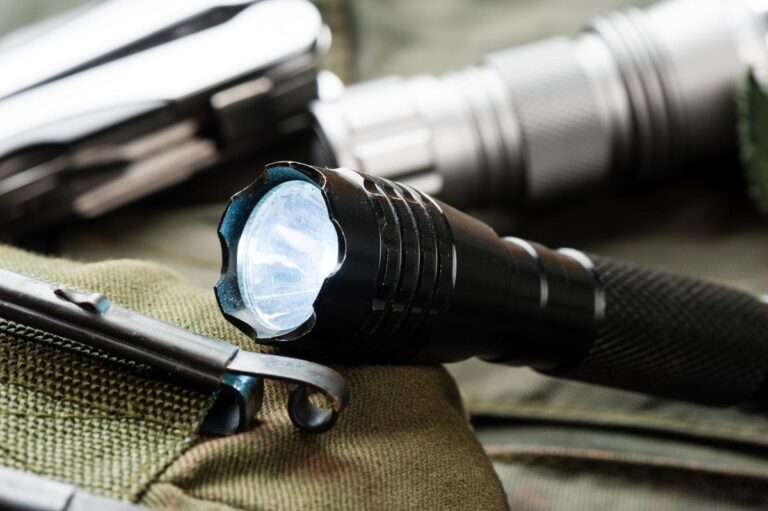
    Seeker 4 Mini is a versatile flashlight that offers a range of features designed to cater to various applications. It features two light sources: white light and UV light. This allows it to be used in a diverse range of activities such as climbing, camping, repair work, and power outages. Additionally, UV light is useful for fluorescent agent detection, stain identification, hotel cleanliness inspection, and even ringworm detection.

    One of the standout characteristics of the Seeker 4 Mini is its compact size. With a length of only 3.43 inches and a two-way clip, it is incredibly portable and can be easily carried anywhere. It conveniently fits in the palm of your hand, making it ideal for on-the-go use.

    The flashlight incorporates a premium metal side switch that is not only durable but also features a battery level indicator in its center. This indicator allows you to quickly and easily check the remaining power with just a single glance. It ensures that you are always aware of the flashlight’s battery status, so you can plan your activities accordingly.

    FEATURES Of Seeker 4 Mini

    Two Light Sources:

    The Seeker 4 mini is a versatile flashlight with white and UV light that is suitable for a wide range of applications. Whether you are climbing mountains, camping in the wilderness, or just need a reliable source of light during power outages, this flashlight has got you covered. Its small size and lightweight design make it easy to carry around and use in any situation.

    One of the key features of the Seeker 4 mini flashlight is its powerful LED bulb that provides bright and consistent illumination. This makes it an ideal tool for outdoor activities such as hiking, trekking, or climbing where visibility is crucial. The flashlight also comes with multiple modes including high, medium, low, and strobe which can be adjusted according to your needs.

    In addition to its outdoor capabilities, the Seeker 4 mini can also be used in other applications such as emergency situations or maintenance work.

    Mini and Portable:

    The Seeker 4 mini is a remarkable piece of technology that has taken the world by storm. With a length of merely 3.43 inches, it is one of the smallest and most compact devices available on the market today. Despite its small size, this device has significant features that make it an excellent fit for outdoor activities.

    One of its standout features is its two-way clip design which makes it effortless to carry around wherever you go. You can easily attach it to your clothes or backpack without any hassle. Furthermore, with its compact size, it conveniently fits in the palm of your hand allowing you to take pictures or record videos quickly and discreetly.

    Whether you are going on a hike or just exploring new places around town, the Seeker 4 mini is perfect for capturing all your adventures. It boasts an impressive battery life and high-quality camera resolution ensuring that you never miss a moment.

    Premium Metal Side Switch:

    The Seeker 4 mini is a powerful and reliable flashlight that boasts an impressive set of features. One of its most notable attributes is the high-end side switch, which has been designed to endure even the toughest conditions. The switch is made from top-quality materials and incorporates advanced technology that ensures it can withstand drops, impact, and water damage.

    In addition to its durability, the side switch on the Seeker 4 mini also includes a battery level indicator in the center. This feature allows you to easily check how much power remains in your flashlight at any given time. The indicator uses different colors to show you when your battery is low or when it’s fully charged, so you’ll always know if it’s time for a recharge before heading out into the dark.

    Overall, the Seeker 4 mini is an excellent choice for anyone who needs a reliable and durable flashlight with exceptional battery life.

    Non-slip Body:

    The Seeker 4 mini is a non-slip body that features an ergonomically designed curved body, which provides the user with a comfortable grip. The device is made from high-quality materials that ensure it is not only durable but also lightweight and easy to carry around.

    The Seeker 4 mini is perfect for anyone who needs a reliable and sturdy flashlight that can withstand harsh weather conditions or rough handling. The non-slip body ensures that the device doesn’t slip out of one’s hands while in use, making it ideal for outdoor activities such as camping, hiking, or hunting.

    Furthermore, the ergonomic design of the Seeker 4 mini makes it easy to hold for extended periods without experiencing any discomfort such as cramps or muscle strains. This feature makes it ideal for first responders who need to have their flashlights on standby at all times.

    Magnetic Charging:

    Magnetic charging technology is revolutionizing the way we recharge our electronic devices. With the Seeker 4 mini flashlight, you can now fully charge your device in just 1.5 hours by simply snapping it onto the magnetic charger. This highly-efficient and hassle-free charging method has made the Seeker 4 mini one of the most popular flashlights on the market.

    The magnetic charger ensures that your flashlight stays securely attached while charging, eliminating any risk of it falling off or getting disconnected mid-charge. The Seeker 4 mini’s magnetic charging system makes it incredibly easy to recharge your flashlight whenever and wherever you need it.

    Not only is magnetic charging more convenient than traditional methods, but it’s also more efficient.

    Dual Color Temperature Options:

    The Seeker 4 mini is a versatile flashlight that offers dual color temperature options in its black and OD green models. This feature allows you to choose between cool white (CW) and neutral white (NW) colors, making it easier to find the appropriate hue for any given situation.

    The CW option provides a bright, bluish-white light that is perfect for outdoor activities like hiking or camping. It illuminates dark paths with ease, helping you navigate through rugged terrain safely. The NW option, on the other hand, emits a warmer light that is more suitable for indoor use. It provides a softer glow that does not strain your eyes but still offers enough brightness to see clearly in dim environments.

    With both CW and NW options available, the Seeker 4 mini can be used in various settings such as emergency situations where time is of the essence or even just everyday tasks where quality lighting is needed.

    Sturdy Build:

    The Seeker 4 Mini is the perfect companion for those who love adventure and spending time in challenging environments. This flashlight boasts an IPX8 waterproof rating, which means it can be submerged in water up to a depth of 2 meters without any damage. So whether you are going on a camping trip or kayaking down a river, the Seeker 4 Mini will always be ready for action.

    Not only is this flashlight waterproof, but it also has an impact resistance of up to 1.5 meters, making it durable enough to withstand accidental drops or bumps during your outdoor adventures. The Seeker 4 Mini has been designed with tough materials that ensure its longevity and reliability even when used in harsh conditions. It’s the ideal tool for hikers, campers, fishermen, or hunters who need a reliable light source.

    Conclusion:

    The Seeker 4 Mini flashlight with its UV light functionality is a powerful and versatile tool that offers numerous benefits. The inclusion of UV light expands its utility beyond regular lighting needs, allowing for tasks such as fluorescent agent detection, stain identification, hotel cleanliness inspection, and even ringworm detection. This feature makes the Seeker 4 Mini a valuable tool for professionals in various fields, as well as for everyday users seeking additional functionality.

    10 Short Wig Hairstyles for Summer | Stay Cool & Stylish

    0

    Summer is a time for fun in the sun, but it can also bring challenges when it comes to hair styling. If you’re looking for a low-maintenance and stylish solution to beat the heat, short wigs are the perfect choice. With a wide variety of options available, you can easily change your look and stay cool during the hottest months of the year. In this article, we will explore ten short wig hairstyles that are ideal for summer. Whether you prefer a chic pixie cut, a trendy bob, or a playful curly style, there’s a short wig out there to suit your taste. Let’s dive in and discover some fabulous short wig hairstyles for the summer season!

    The Classic Pixie Cut: A Stylish Summer Hairstyle

    The Classic Pixie Cut is a timeless and iconic hairstyle that has remained popular throughout the years. It is a short and sleek haircut that exudes confidence and style. The beauty of the Classic Pixie Cut lies in its simplicity and versatility, making it a perfect choice for the summer season.

    The Classic Pixie Cut is characterized by its short length, with the hair cropped close to the head. The sides and back are usually tapered, while the top is left slightly longer to add some texture and styling options. This style works well for various hair types and face shapes, making it a versatile choice for many.

    One of the main advantages of the Classic Pixie Cut for summer is its low maintenance. With shorter hair, you don’t have to spend hours styling or dealing with excessive heat from longer locks. This cut allows you to embrace the summer heat while keeping cool and comfortable.

    The Sleek Bob: A Chic and Polished Summer Hairstyle

    The Sleek Bob Wig is a classic and sophisticated hairstyle that is perfect for the summer season. It offers a sleek and polished look that exudes confidence and elegance. Whether you have naturally straight hair or prefer to use a flat iron to achieve a smooth finish, the Sleek Bob is a versatile choice that can be customized to suit your personal style.

    The Sleek Bob is characterized by its straight and blunt cut, with the hair falling just below the chin. This length is flattering for most face shapes and works well for both casual and formal occasions. The clean lines of the bob create a sleek and polished appearance, making it a popular choice among fashion-forward individuals.

    One of the main advantages of the Sleek Bob for summer is its simplicity and low maintenance. With shorter hair, you can spend less time styling and more time enjoying the warm weather.

    The Textured Bob: Embrace Effortless Style in the Summer

    The Textured Bob is a trendy and versatile hairstyle that adds volume, movement, and playful touch to your summer look. With its tousled and carefree vibe, the Textured Bob is a popular choice for those who want a low-maintenance yet stylish hairstyle during the warmer months.

    The Textured Bob is characterized by its layered ends and textured finish. Unlike the sleek and straight bob, the Textured Bob adds dimension and body to your hair. It can be tailored to suit various face shapes and hair types, making it a versatile option for anyone looking to switch up their style for the summer.

    One of the main advantages of the Textured Bob for summer is its ability to create a relaxed and effortless look. The layers and textured ends give the hair a natural and tousled appearance, evoking a carefree beachy vibe. This makes it a perfect choice for casual outings, beach days, or any occasion where you want to embrace a laid-back summer style.

    The Curly Bob: Embrace Your Natural Curls for a Fun Summer Look

    The Curly Bob is a fabulous and playful summer hairstyle that allows you to embrace your natural curls or add texture to your hair. With its bouncy and defined curls, the Curly Bob adds a touch of romance and whimsy to your summer style. Whether you have naturally curly hair or prefer to create curls with styling tools, the Curly Bob is a versatile choice that can be customized to suit your preferences.

    The Curly Bob is characterized by its shorter length, typically falling above the shoulders. It features bouncy and well-defined curls that frame the face beautifully. This style works well for various hair types, from loose waves to tight coils, making it a versatile option for those with naturally curly or wavy hair.

    The Tousled Pixie: Effortlessly Chic for the Summer Season

    The Tousled Pixie is a stylish and versatile summer hairstyle that offers a chic and carefree look. With its short length and textured layers, the Tousled Pixie adds a touch of playfulness and femininity to your summer style. Whether you have naturally straight hair or prefer to add texture with styling products, the Tousled Pixie is a trendy choice that is sure to turn heads.

    The Tousled Pixie is characterized by its short and choppy layers, creating a textured and tousled appearance. It is a perfect option for those who want a low-maintenance hairstyle that still exudes style and personality. The shorter length of the Tousled Pixie keeps you cool during the summer heat while adding a touch of edge to your overall look.

    The Layered Bob: A Versatile and Refreshing Summer Hairstyle

    The Layered Bob is a trendy and versatile summer hairstyle that combines the elegance of a bob with the movement and texture of layers. With its chic and refreshing look, the Layered Bob is a popular choice for those who want a stylish and low-maintenance haircut during the warmer months. Whether you have straight, wavy, or curly hair, the Layered Bob can be customized to suit your unique style.

    The Layered Bob is characterized by its shorter length at the back and slightly longer layers in the front. This asymmetrical cut creates dimension and adds a touch of playfulness to your overall look. The layers in the bob provide movement and texture, making it a versatile option for various face shapes and hair types.

    The Asymmetrical Cut: A Bold and Fashion-Forward Summer Hairstyle

    The Asymmetrical Cut is a bold and fashion-forward summer hairstyle that adds an edgy and modern twist to your look. With its unique and asymmetrical shape, this haircut offers a daring and eye-catching style for those who want to make a statement during the warmer months. Whether you prefer a short asymmetrical bob or a longer, more dramatic cut, the Asymmetrical Cut allows you to embrace your individuality and showcase your personal style.

    The Asymmetrical Cut is characterized by its uneven lengths and angles, with one side of the hair longer or shorter than the other. This asymmetry creates a dynamic and unconventional look that is both chic and daring. The versatility of the Asymmetrical Cut allows it to be tailored to suit different face shapes and hair textures, making it a versatile choice for anyone looking to switch up their style for the summer.

    Beach Wave Lob: Effortlessly Chic and Beachy for the Summer Season

    The Beach Wave Lob is a popular and effortlessly chic summer hairstyle that brings a touch of beachy vibes to your look. With its relaxed and tousled waves, the Beach Wave Lob offers a carefree and stylish option for those who want to embrace the summer spirit. Whether you have naturally straight or wavy hair or prefer to create waves with styling tools, the Beach Wave Lob is a versatile choice that can be customized to suit your personal style.

    The Beach Wave Lob is characterized by its shoulder-length cut, often with subtle layers to add movement and texture. The loose and tousled waves give it a relaxed and beachy appearance, reminiscent of sun-kissed hair after a day at the beach. This style is versatile and works well for various face shapes, adding a touch of effortless cool to your summer look.

    The Side-Swept Pixie: Embrace Elegance and Edginess in a Summer Hairstyle

    The Side-Swept Pixie is a trendy and versatile summer hairstyle that combines the sophistication of a pixie cut with the softness of side-swept bangs. With its asymmetrical and edgy look, the Side-Swept Pixie offers a bold and fashionable choice for those who want to make a statement during the warmer months. Whether you have naturally straight or wavy hair or prefer to add texture with styling tools, the Side-Swept Pixie is a chic and low-maintenance option that allows you to embrace elegance and edginess.

    The Side-Swept Pixie is characterized by its short length on the sides and back, with longer bangs swept to one side. This asymmetrical cut adds dimension and visual interest to your overall look. The side-swept bangs frame the face beautifully, softening the features and adding a touch of femininity. The versatility of the Side-Swept Pixie allows it to be customized to suit different face shapes and hair textures, making it a versatile choice for anyone looking to switch up their style for the summer.

    The Boy Cut: Embrace a Bold and Edgy Look for the Summer Season

    The Boy Cut is a daring and stylish summer hairstyle that exudes confidence and individuality. Inspired by the fashion-forward and androgynous aesthetic, this short haircut offers a bold and edgy look for those who want to make a fashion statement during the warmer months. With its close-cropped length all over, the Boy Cut is a low-maintenance option that keeps you cool while showcasing your unique style.

    The Boy Cut is characterized by its uniform length, typically ranging from half an inch to a couple of inches all around the head. It creates a sleek and streamlined appearance, emphasizing facial features and creating a strong presence. This style is versatile and works well for various face shapes, adding an element of edge and attitude to your overall look.

    Conclusion:

    Short wig hairstyles offer a convenient and stylish solution for the summer months. From classic pixie cuts to trendy bob styles and playful curls, there are endless possibilities to experiment with. With a short wig, you can keep cool while expressing your individuality and staying on-trend. Choose a style that resonates with your personality and enjoy the freedom and versatility that short wigs provide. Stay cool and confident this summer with one of these ten fabulous short wig hairstyles.

    Does a Weekender Bag Count as a Carry-On or Personal Item?

    0

    When your day-to-day grind has you feeling burnt out, there’s nothing like a quick getaway to recharge and refresh your outlook. Heading off for a spontaneous escape is a great way to clear your mind, and having the perfect weekend bag at the ready allows you to fly off without a care. If you’re worried about whether a small bag is sufficient and whether these handy totes qualify as a carry-on or personal item, here’s what you should know.

    Understanding Airline Guidelines:

    Checking luggage and collecting it at the baggage carousel for a short jaunt is a waste of time. Swapping out your usual gear for an airline-ready weekend travel bag puts everything you need right in the plane cabin, so you spend less time at airports and more time having fun.

    Although each airline has varying definitions of what constitutes personal items versus carry-on luggage, there are basic guidelines. While size is the factor most carriers use to determine onboard restrictions, your bag’s appearance and how you carry it impact how it’s classified. A tote that looks like a handbag and is carried over the shoulder is more likely to be treated as a personal item. With a bag like this, you avoid checked baggage challenges and save on carry-on fees.

    Determine Which Size Is Right for You:

    Picking the right size for your weekender is a balance between getting the space you need and making sure yours meets airline guidelines. After doing a quick restriction check with carriers that fly from your local airport, it’s time to figure out what you typically bring along on weekend jaunts.

    Lay out toiletries and necessities, and then put together a few ensembles that work for a variety of trips. Don’t forget to include undergarments and beachwear! Use bags you own as a point of comparison to see what size weekender you need; you may have to edit out a few items, but the convenience of traveling lightly with a single, manageable bag is well worth it!

    Pack Like a Pro:

    Once you’ve purchased your weekender, do a few packing trial runs so you’re ready when the opportunity to head out arises. For maximum efficiency, follow these tips from pro travelers:

    • Purchase soft-sided packing cubes to separate and compress clothing
    • Use small, vacuum-sealed bags to further reduce the room your apparel takes up
    • Choose wrinkle-proof fabrics and items you can quickly wash and dry to re-wear
    • For your flight, dress in layers and wear your bulkiest clothing so that fewer and lighter items need to go in your weekender
    • Shop for travel-sized toiletries and keep them in your bag to save both space and time

    Now that you know all about using a weekender bag for your spur-of-the-moment sojourns, it’s time to start shopping. Visit the website of a trusted retailer to browse the best travel bags for women, compare options, and then order yours today. You’ll be all set for easy-breezy packing the next time you need to take a break!

    Why Am I Craving Beef? [Explained]

    0

    Beef is the third most famous type of meat consumed worldwide. Beef is mostly gotten from the animal name cow. It is used in many dishes and people enjoy them all. Well, it is normal to hear people are craving meat. But people still ask the question why am I craving beef?

    Obviously, There must be a reason behind beef craving. If you feel a craving for beef it means your body giving signals to you that you needs nutrients and some vitamins that beef provides you.

    Why Do I Crave Beef?

    Your body needs some important nutrients and vitamins that help in the proper function of the body and beef provides these nutrients to us. This might be a reason behind your craving.

    Well here are some possible reasons behind your craving let’s have a look at them.

    #1. Lack of Iron

    If you feel a craving for beef that means your body has a deficiency of iron. Beef is a form of meat that is a good source of iron. Iron is very essential to us. It helps in forming red blood cells in our body and transporting oxygen.

    With iron deficiency, you feel weak and at that time you need something to eat to satisfy your iron deficiency, So eating beef can easily satisfy your need for iron.

    #2. Lack Of Protein In Your Diet

    Your body will indicate when you are low in protein which can be a reason of your beef craving. It means protein is missing in your daily diet plan you have to add beef to your diet.

    Beef is an excellent source of protein and it is also convenient for you and satisfies your beef craving.

    #3. Hunger

    Hunger is another reason that can cause beef craving. Because when you are hungry you need food to eat and if beef is your favorite one you must want beef in food. That’s why you crave beef.

    Beef is a form of meat and convents a source of important nutrients and vitamins. Beef also boost your energy level and help in performing the daily task of life.

    #4. Satisfaction and Comfort

    Most people find comfort and satisfaction in eating beef. That is why people have craving for beef.

    People who are vegans and vegetarians also have craving for beef and their reason behind the craving is because they want to change their taste. It also helps to refresh their mood and feel comfort and satisfaction in eating beef.

    #5. You Are Not Eating Enough Beef

    If you feel a craving for beef that means your intake of beef is insufficient. You are not eating enough beef. That’s why it triggers you and give you a sign.

    Additionally, when you do not eat enough beef your body feels weaker and also causes malfunction of organs. Always Remember that your body needs a proper diet for performing the daily task of your life.

    Why Am I Craving Beef all of a Sudden?

    A sudden craving for beef means your body gives you an indication sign. You might be low in iron and protein than beef gave you. The other possible reason is the deficiency of important nutrients and vitamins.

    Beef is rich in iron and easily ensures your body’s craving. Furthermore, beef is full of benefits and keeps our bodies healthy and fit.

    How to Stop Craving Beef?

    However beef is beneficial to us it provides iron and protein to us which are important for the proper functioning of the body but if you want to stop craving beef you have to you other alternatives of beef such as mutton chicken, seafood, etc.

    By using these substitutes you can easily stop craving beef. Through these convenient sources of nutrients and vitamins that our bodies need.

    Craving Beef During Pregnancy

    Pregnancy is a situation in which your body needs extra care and nutrients for the proper growth of the baby and if you have craving for beef in this situation that means your body needs the nutrients and vitamins that beef provides you.

    Beef is also rich in zinc, protein, and iron it will very beneficial in pregnancy because iron generates red blood cells in our body and regulates the transportation of oxygen.

    Craving Beef when Sick

    Beef is considered a powerful food and boosts your energy level. When you are sick you feel low in energy because your body loses nutrients and important vitamins that’s why you feel craving beef when you are sick.

    Beef also ensures your iron deficiency and gives you the energy to fight again illness. furthermore, beef soup also helps in recovery.

    Frequently Asked Questions (FAQS)

    Can you eat too much beef?

    No, you can not eat too much beef its harmful to you. If you eat too much beef it increases your cholesterol level which is not good for you. It also may be led to heart issues and diabetes. So if you have craving for beef then you have to fix the amount of beef.

    What deficiency makes you crave meat?

    If you feel a craving for beef that means your body has a deficiency of iron. beef is a form of meat that is a good source of iron. Iron is very essential to us .its helps in forming red blood cells in our body and transporting oxygen.

    What should I eat if I crave beef?

    If you have craving for beef you can eat it but you can also eat other alternative food that provides proper nutrients and vitamins. There are many substitutes for beef such as mutton, selfish other fiber-rich food. These food are full of benefits you can eat them.

    Summary

    In this Article, We have discussed beef craving and also the reasons behind craving. I hope this information is helpful for you in understanding beef cravings and clearing your concept.